I'm truly sorry: Akmal apologises for inappropriate comments against Arshdeep
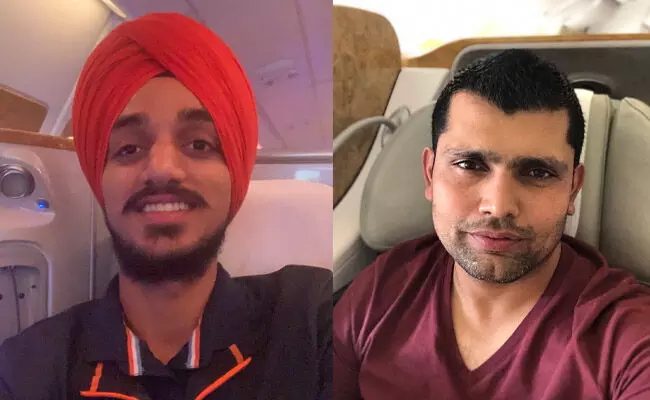
Lahore (PTI): A day after being called out for making disrespectful comments against India pacer Arshdeep Singh, former Pakistan wicketkeeper-batter Kamran Akmal apologised for his "inappropriate" remarks while analysing the recent T20 World Cup clash between the two sides in New York.
In a viral video, Akmal was seen making fun of Arshdeep's Sikh religion, prompting a furious response from ace Indian cricketer-turned-commentator Harbhajan.
"I deeply regret my recent comments and sincerely apologise to Harbhajan Singh and the Sikh community. My words were inappropriate and disrespectful. I have the utmost respect for Sikhs all over the world and never intended to hurt anyone. I am truly sorry. #Respect #Apology," Akmal wrote on X, tagging Harbhajan.
Akmal's remarks came during the tense penultimate over of the clash, when Pakistan needed 17 runs in the last over in their chase of 120.
Left-arm pacer Arshdeep performed the task to perfection, sealing a six-run win over the arch-rivals. Akmal, while analysing the match on ARY News, made the controversial comments on Arshdeep before he came in to bowl.
"Kuch bhi ho sakta hai... Dekhe last over karna Arshdeep Singh ne hai. Waise uska rhythm nahi laga. 12 baj gaye hai (Anything can happen. The last over will be bowled by Arshdeep Singh; he hasn't looked in a great rhythm. And It is already 12)," he said.
In the video reposted by Harbhajan, Akmal was also seen laughing with other panellists on the show. The Indian off-spinner lashed out at Akmal.
"...You should know the history of sikhs before u open ur filthy mouth. We Sikhs saved ur mothers and sisters when they were abducted by invaders, the time invariably was 12 o'clock. Shame on you guys.. Have some Gratitude."
The win at the Nassau County International Cricket Stadium in New York put India at the top of Group A with four points from two wins.
Let the Truth be known. If you read VB and like VB, please be a VB Supporter and Help us deliver the Truth to one and all.
UAE condemns 'terrorist' attack on Indian-flagged vessel off Oman coast
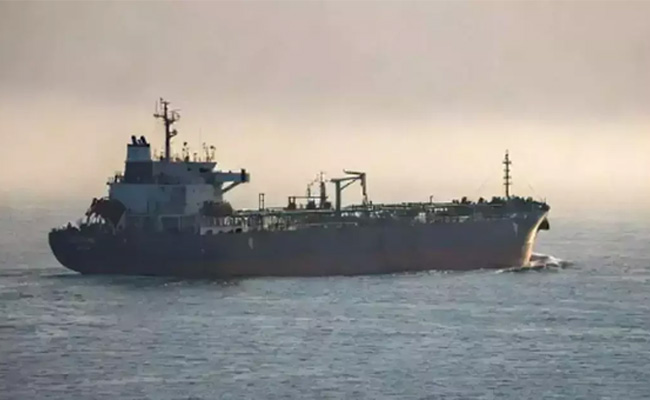
Dubai (PTI): The UAE has condemned a strike on an Indian-flagged vessel off the coast of Oman, calling it a "terrorist attack" and a "dangerous escalation" that threatens the stability of critical waterways.
The commercial vessel, which was sailing from Somalia, came under attack on Wednesday, according to India's Ministry of External Affairs.
All 14 crew members were rescued by Omani authorities, but it was not immediately known who carried out the strike, it said.
"The UAE strongly condemns terrorist attack on Indian-flagged ship off the coast of Oman," the UAE's Ministry of Foreign Affairs (MoFA) said in a statement issued on Thursday. "This attack constitutes a grave threat to the security of international navigation and represents a dangerous escalation aimed at undermining the stability of critical waterways."
The incident took place amid the fragile situation in the Strait of Hormuz, a narrow waterway close to the coast of Oman through which roughly one-fifth of the world's energy supplies pass.
It has been severely disrupted by the conflict in West Asia that started on February 28, with the US and Israel launching joint attacks on Iran, triggering retaliatory strikes.
The MoFA further said that the attack on the India-flagged vessel on Wednesday was a violation of UN Security Council Resolution 2817, which affirms the importance of freedom of navigation and rejects the targeting of commercial vessels or the obstruction of international maritime routes.
It emphasised that "targeting commercial shipping and using the Strait of Hormuz as a tool of economic coercion or blackmail represent acts of piracy and constitute a direct threat to the stability of the region, its peoples, and global energy security".
The UAE expressed solidarity with India and its support for all measures aimed at safeguarding the security and safety of its vessels and interests, the statement said.
Earlier, India had described the attack as "unacceptable".
At least two other Indian-flagged ships have been attacked since the conflict broke out.