India beat Sri Lanka by 7 wickets in rain-hit match, bag T20I series 2-0
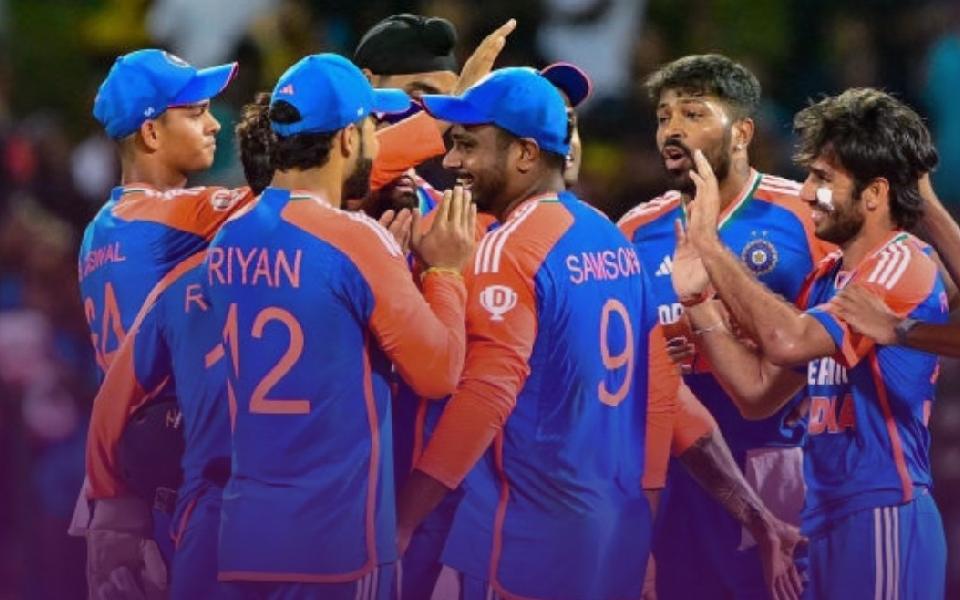
Pallekele (Sri Lanka), Jul 28: India beat Sri Lanka by seven wickets in a rain-affected second T20I of the three-match series to take an unassailable 2-0 lead here on Sunday.
Chasing a revised target of 78 in eight overs, skipper Suryakumar Yadav (26, 12b, 4x4, 1x6) and Yashasvi Jaiswal (30, 15b, 3x4, 2x6) batted well as India romped home in 6.3 overs under DLS method.
Earlier, Kusal Perera made an aggressive fifty but leg-spinner Ravi Bishnoi struck three crucial blows as India restricted Sri Lanka to a below-par 161 for nine before rain interrupted India’s chase at 6 for no loss in 0.3 overs.
Perera (53, 34b, 6x4, 2x6) led Lanka's charge in the company of Pathum Nissanka (32, 24b, 5x4).
But Bishnoi (3/26) took three wickets, two in as many balls, as India snapped the hosts' charge in the middle and end overs.
Brief scores:
Sri Lanka: 161/9 in 20 overs (Kusal Perera 53, Pathum Nissanka 32; Ravi Bishnoi 3/26, Hardik Pandya 2/24, Arshdeep Singh 2/24)
India: 81/3 in 6.3 overs (Suryakumar Yadav 26, Yashasvi Jaiswal 30).
Let the Truth be known. If you read VB and like VB, please be a VB Supporter and Help us deliver the Truth to one and all.
Lebanon appoints new representative for talks with Israel, rejects linkage to Iran
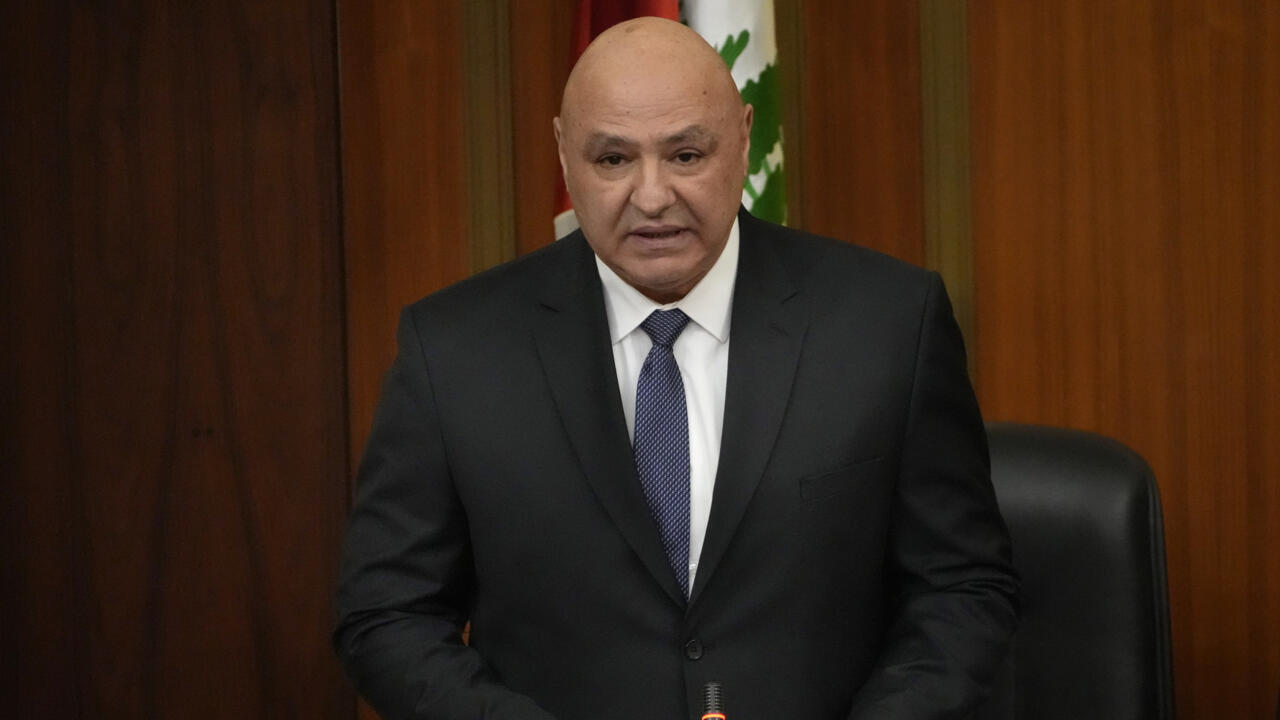
Beirut: Lebanon’s has moved to underline its independent position in ongoing regional developments, amid attempts to link the country to the broader conflict involving Iran, the United States and Israel.
President Joseph Aoun, while announcing the appointment of former US ambassador Simon Karam as Lebanon’s representative in talks with Israel, made it clear that Karam would be the sole representative for Lebanon and that there would be no substitute.
The move comes in response to what the Lebanese officials see as efforts by Iran to tie Lebanon’s situation to the wider regional conflict. Iran had indicated that there would be no ceasefire involving the US, Israel and Iran unless it also included a ceasefire in Lebanon.
Some groups, including Hezbollah and its supporters, had expressed support for linking the situations, citing concerns that the Lebanese government has limited leverage in negotiations with Israel. Lebanon is not formally a party to the conflict, and its army is considered weak.
However, others, including Prime Minister Nawaf Salam, have opposed this approach. They view Iran’s stance as an attempt to influence Lebanon’s internal affairs and see it as undermining the country’s sovereignty.
Officials backing the government’s position say the move is aimed at reaffirming Lebanon’s sovereignty and ensuring that decisions about peace and ceasefire within the country are not dictated externally.
They also see it as a safeguard, so that any breakdown in talks between the US, Israel and Iran does not automatically lead to renewed conflict in Lebanon.