India enter T20 World Cup semifinals with 24-run win over Australia
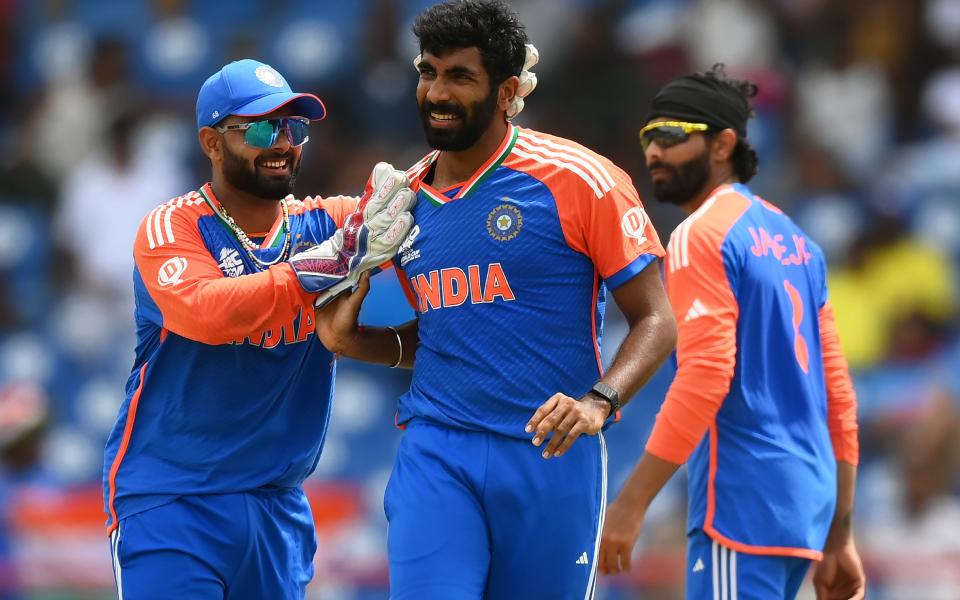
Gros Islet (Saint Lucia), Jun 24: India rode on skipper Rohit Sharma's scintillating 41-ball 92 to beat Australia by 24 runs in their final Super Eights fixture and qualify for the semifinals of the T20 World Cup here on Monday.
Batting first, Rohit fired on all cylinders and struck as many as eight sixes and seven fours during his sparkling knock, which powered India to an imposing 205 for five.
In reply, Australia were restricted to 181 for seven in the stipulated 20 overs. Travis Head top-scored for Australia with 76 off 43 balls.
Among Indian bowlers, Kuldeep Yadav (2/24) performed brilliantly in the middle overs, while Arshdeep Singh ended with figures of 3/37.
Earlier, unperturbed by Virat Kohli's early dismissal, Rohit went after pacer Mitchell Starc and bludgeoned him for 29 runs in his second over, setting the tone for India.
Starc, who was taken to the cleaners by Rohit, returned to dismiss the India captain and give some relief to the Australian camp.
But Suryakumar Yadav (31 off 16 balls) and Shivam Dube (28 off 22) kept up the tempo with their big hits before Hardik Pandya (27 off 17) finished the India innings in style.
Brief scores:
India: 205/5 in 20 overs (Rohit Sharma 92; Josh Hazlewood 1/14).
Australia: 181/7 in 20 overs (Travis Head 76; Kuldeep Yadav 2/24, Arshdeep Singh 3/37).
Let the Truth be known. If you read VB and like VB, please be a VB Supporter and Help us deliver the Truth to one and all.
Lebanon appoints new representative for talks with Israel, rejects linkage to Iran
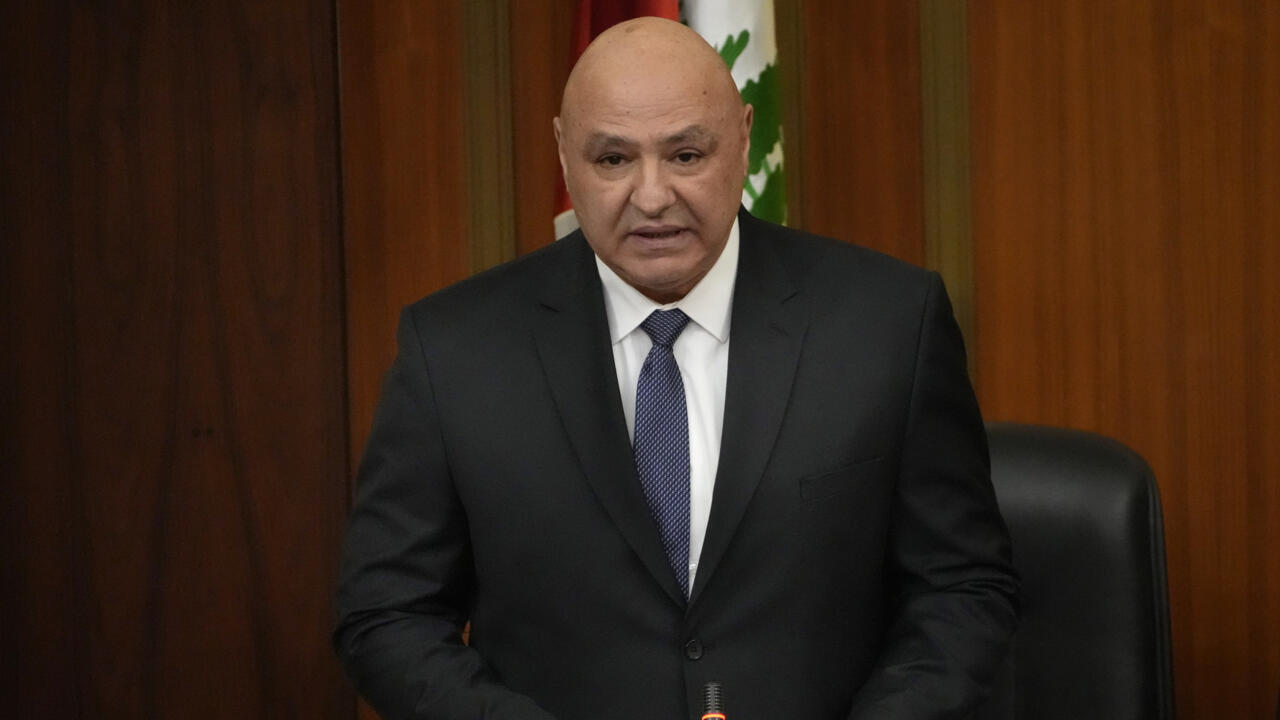
Beirut: Lebanon’s has moved to underline its independent position in ongoing regional developments, amid attempts to link the country to the broader conflict involving Iran, the United States and Israel.
President Joseph Aoun, while announcing the appointment of former US ambassador Simon Karam as Lebanon’s representative in talks with Israel, made it clear that Karam would be the sole representative for Lebanon and that there would be no substitute.
The move comes in response to what the Lebanese officials see as efforts by Iran to tie Lebanon’s situation to the wider regional conflict. Iran had indicated that there would be no ceasefire involving the US, Israel and Iran unless it also included a ceasefire in Lebanon.
Some groups, including Hezbollah and its supporters, had expressed support for linking the situations, citing concerns that the Lebanese government has limited leverage in negotiations with Israel. Lebanon is not formally a party to the conflict, and its army is considered weak.
However, others, including Prime Minister Nawaf Salam, have opposed this approach. They view Iran’s stance as an attempt to influence Lebanon’s internal affairs and see it as undermining the country’s sovereignty.
Officials backing the government’s position say the move is aimed at reaffirming Lebanon’s sovereignty and ensuring that decisions about peace and ceasefire within the country are not dictated externally.
They also see it as a safeguard, so that any breakdown in talks between the US, Israel and Iran does not automatically lead to renewed conflict in Lebanon.