India vs Australia: 1st ODI reduced to 26-over-a-side match after another rain delay
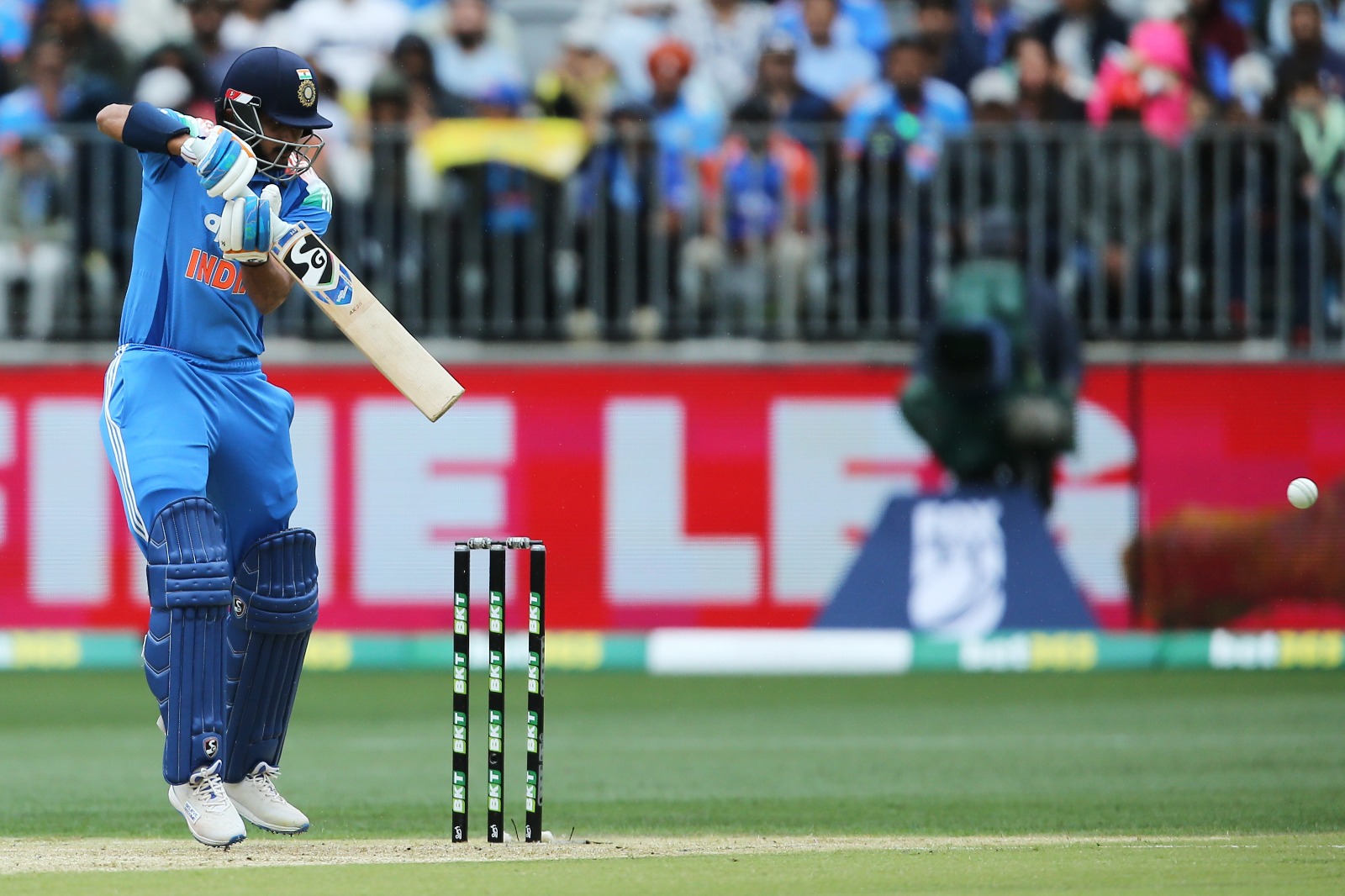
Perth, Oct 19 (PTI) The first ODI between India and Australia was reduced to 26-over-a-side game after the third rain interruption here on Sunday.
India were struggling at 52 for four in 16.4 overs when rain halted the proceedings for the third time in the day.
Axar Patel (14) and KL Rahul (3) will resume India's quest for a strong total.
Pacers Josh Hazlewood and Mithcell Starc won't get to bowl any further in the contest and the rest of the overs will have to be bowled by Nathan Ellis and others. A bowler will get a maximum of five overs to bowl.
Earlier, Virat Kohli and Rohit Sharma failed to fire on their return to the India colours after seven months.
Kohli got out for an eight-ball duck to Mitchell Starc while Rohit was ousted by Josh Hazlewood for eight. Later, skipper Shubman Gill was caught down the leg side off pacer Ellis for 10.
Let the Truth be known. If you read VB and like VB, please be a VB Supporter and Help us deliver the Truth to one and all.
Trump says EU has until July 4 to approve last year's trade deal or it will face higher tariffs
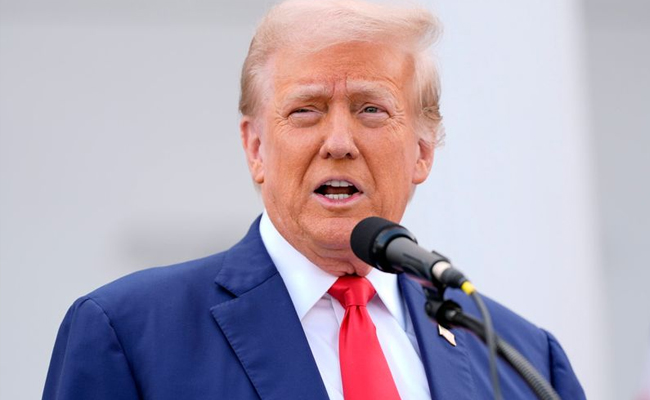
Washington (AP): President Donald Trump has said in a social media post that goods from the European Union would face higher tariff rates if the 27-member bloc fails to approve last year's trade framework by July 4.
The announcement on Thursday appeared to be a deadline extension after the president said last Friday that EU autos would face a higher 25 per cent tariff starting this week. Trump made the updated announcement after what he described as a "great call" with European Commission President Ursula von der Leyen.
Still, the US president was displeased that the European Parliament had yet to finalize the trade arrangement reached last year, which was further complicated in February by the US Supreme Court ruling that Trump lacked the legal authority to declare an economic emergency to impose the initial tariffs used to pressure the EU into talks.
"A promise was made that the EU would deliver their side of the Deal and, as per Agreement, cut their Tariffs to ZERO!" Trump posted. "I agreed to give her until our Country's 250th Birthday or, unfortunately, their Tariffs would immediately jump to much higher levels."
It was unclear from the post whether Trump was implying that the tariff rates would jump on all EU goods or the increase would only apply to autos.
His latest statement indicates he might be backing away from his earlier threat on EU autos by giving the European Parliament several more weeks to approve the agreement.
Under the original terms of the framework, the US would charge a 15 per cent tax on most goods imported from the EU.
But since the Supreme Court ruling, the administration has levied a 10 per cent tariff while investigating trade imbalances and national security issues, aiming to put in new tariffs to make up for lost revenues.