India will have to wait for another three World Cups if they don't win it this time: Ravi Shastri
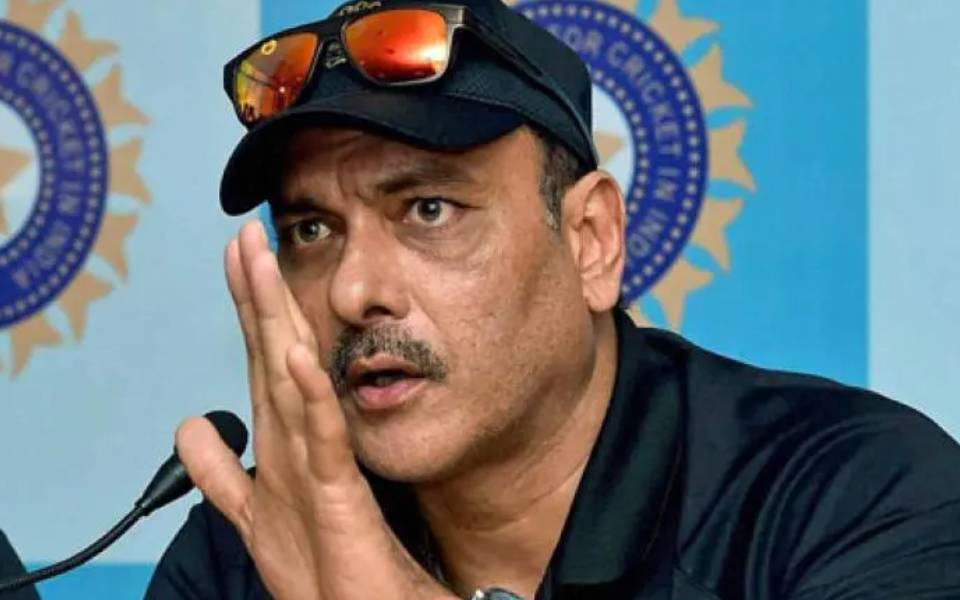
New Delhi, Nov 12: India will probably have to wait for another three World Cups to have a shot at the title if they are not able to extend their dominant run in the ongoing edition, reckons Ravi Shastri.
Speaking to Club Prairie Fire podcast, Shastri said a majority of the squad members are at their peak, providing India the best chance to end their ICC title drought.
Adam Gilchrist and Michael Vaughan were also part of the podcast.
"This country is going mad. The last time they won it was 12 years ago. They have an opportunity to do it again. The way they are playing, this is probably their best chance," said the former India head coach.
"If they miss out this time, they would probably have to wait another three World Cups for even thinking of trying to win it. The pool of players are such the 7-8 players are at their peak.
"This could well be their last World Cup. The way they are playing, given the conditions, they have got the team to win it."
The Indian bowling attack has demolished batters thus far in the competition. The pace trio of Jasprit Bumrah, Mohammed Shami and Mohammed Siraj has made the ball talk the most while the spin combine of Ravindra Jadeja and Kuldeep Yadav has been relentless in the middle overs.
Shastri feels the current lot of bowlers is the best India have ever had.
"It is extraordinary and it has taken time, it has not happened overnight. They have been playing with each (of them) for four to five years. Siraj joined the party three years ago.
"They know the kind of areas to hit on a consistent basis. They know it is not important to look flashy when you bowl. It is more about consistency and getting the ball in the right areas.
"In this World Cup, they have bowled hardly any short balls. if there is a short ball, it is used as a surprise weapon. 90 per cent of the time they have been targeting the stumps like you must do in India hitting those three-quarters lengths.
"Because of their seam positions, they are getting the ball to nip around and that is causing a lot of problems. It is the best attack in 50 years ever since white-ball cricket started," he added.
Let the Truth be known. If you read VB and like VB, please be a VB Supporter and Help us deliver the Truth to one and all.
Allahabad HC orders probe into 'reinstatement' of teacher in UP's Barabanki
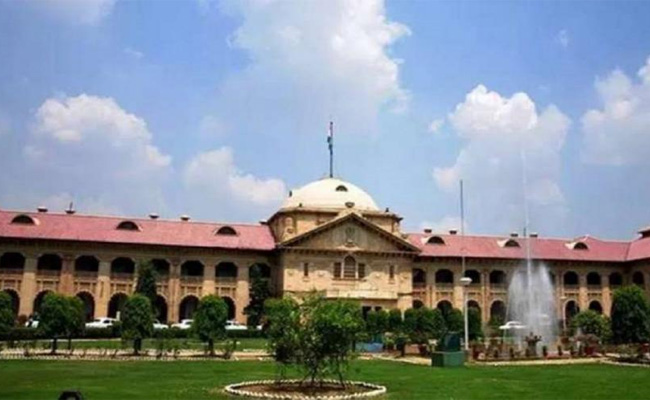
Lucknow (PTI): The Lucknow Bench of the Allahabad High Court on Friday ordered a probe by the special task force (STF) into alleged irregularities in the rejoining of a teacher at City Intermediate College in Barabanki, observing that the reinstatement appeared to be prima facie illegal.
The court also directed the recovery of the salary paid to the teacher during the disputed period.
A bench of Justice Rajeev Singh passed the order on a petition filed by the college management committee. The court expressed doubts over the roles of the District Inspector of Schools (DIOS), Barabanki, the college principal and the teacher concerned and hence, directed a detailed inquiry into the matter.
Taking note of alleged manipulation of records and misleading submissions, the court ordered the immediate transfer of the Barabanki DIOS to ensure a fair probe. It also directed the initiation of disciplinary proceedings against the then joint director of education of the Ayodhya division.
In its order, the court found that the teacher, Abhay Kumar, was initially appointed as an assistant teacher in 2018 but joined an Eklavya Model Residential School in Chhattisgarh as a lecturer in June 2024 without obtaining permission from the management. His subsequent request to retain the lien was rejected.
Despite this, he was allowed to rejoin the Barabanki College in September 2025 on the directions of the joint director of education and the DIOS, and was even paid the salary for October 2025. The court termed the rejoining "wholly illegal" and lacking any legal basis.
The bench also expressed concern over lapses in communication within the education department and directed the Uttar Pradesh chief secretary to ensure that official orders are communicated through email and WhatsApp as well, to prevent disputes.
The matter is next listed for hearing on May 28 when a compliance report is sought.