Indian cricket team's return disrupted by hurricane
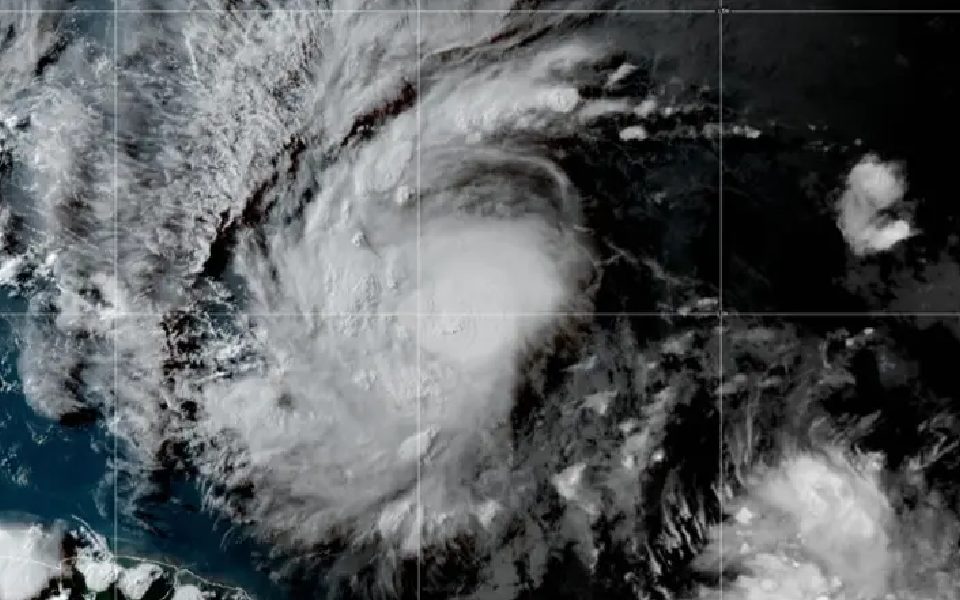
Bridgetown (Barbados), Jun 30: Indian cricket fans might have to wait a little longer to see their T20 World Cup-winning heroes back in the country as the Rohit Sharma-led side's travel plans have been impacted by a hurricane here.
Reports said that hurricane Beryl, originating in the Atlantic, had intensified with maximum sustained winds of 210 kmph.
The Category 4 hurricane was about 570km east-southeast of Barbados and there are reports that the airport in Bridgetown will shut in the evening.
The Indian team was supposed to take an Emirates flight from New York via Dubai.
A source told PTI that the plan now is to fly the team back to India on a charter flight.
"The team was supposed to leave from here (Bridgetown) to New York and then reach India via Dubai. But now the plan is to get a charter flight straight from here to Delhi. A meeting with the Prime Minister Narendra Modi is also being considered," a source said.
The Indian contingent, including support staff, families, and officials, consists of about 70 members.
India had ended their 11-year wait for an ICC trophy on Saturday, overcoming South Africa by seven runs in a thrilling contest to win the T20 World Cup for the second time.
Player of the match Virat Kohli smashed a 59-ball 76 to guide India to 176/7 before restricting South Africa to 169/8 to lift the trophy they had last won in 2007.
Let the Truth be known. If you read VB and like VB, please be a VB Supporter and Help us deliver the Truth to one and all.
Lebanon appoints new representative for talks with Israel, rejects linkage to Iran
Beirut: Lebanon’s has moved to underline its independent position in ongoing regional developments, amid attempts to link the country to the broader conflict involving Iran, the United States and Israel.
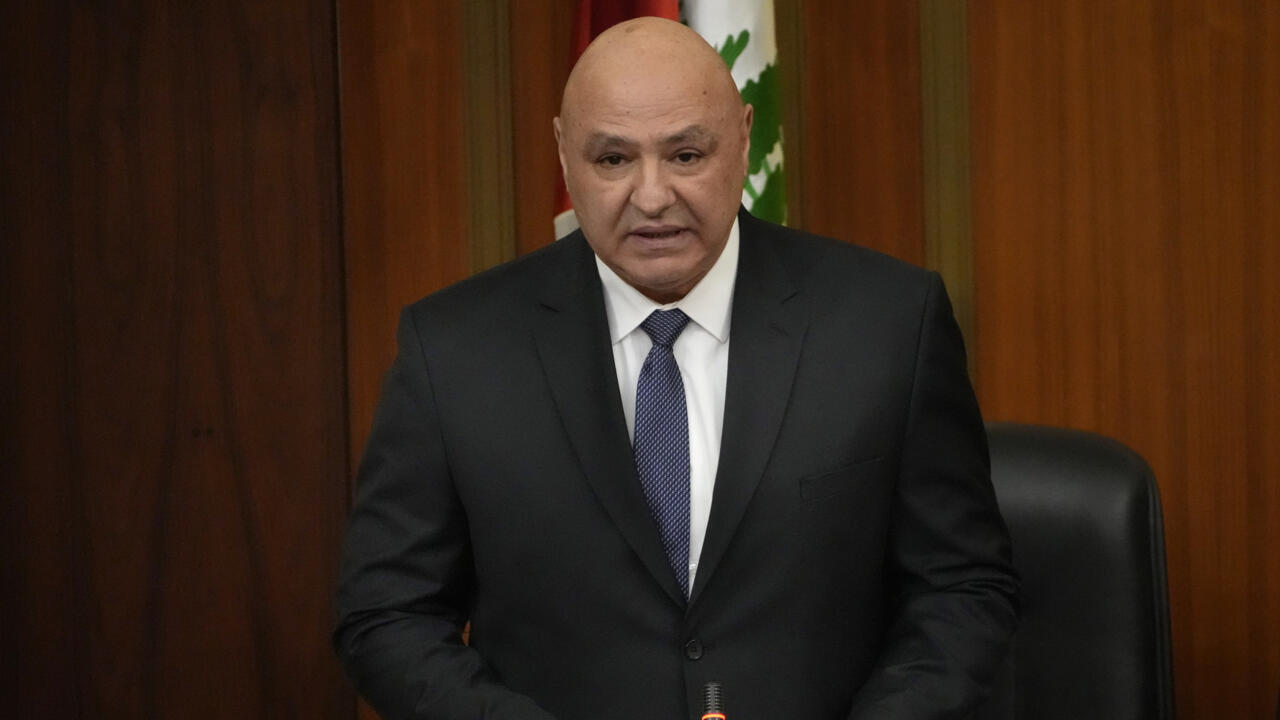
President Joseph Aoun, while announcing the appointment of former US ambassador Simon Karam as Lebanon’s representative in talks with Israel, made it clear that Karam would be the sole representative for Lebanon and that there would be no substitute.
The move comes in response to what the Lebanese officials see as efforts by Iran to tie Lebanon’s situation to the wider regional conflict. Iran had indicated that there would be no ceasefire involving the US, Israel and Iran unless it also included a ceasefire in Lebanon.
Some groups, including Hezbollah and its supporters, had expressed support for linking the situations, citing concerns that the Lebanese government has limited leverage in negotiations with Israel. Lebanon is not formally a party to the conflict, and its army is considered weak.
However, others, including Prime Minister Nawaf Salam, have opposed this approach. They view Iran’s stance as an attempt to influence Lebanon’s internal affairs and see it as undermining the country’s sovereignty.
Officials backing the government’s position say the move is aimed at reaffirming Lebanon’s sovereignty and ensuring that decisions about peace and ceasefire within the country are not dictated externally.
They also see it as a safeguard, so that any breakdown in talks between the US, Israel and Iran does not automatically lead to renewed conflict in Lebanon.