Indian football legend Tulsidas Balaram passes away aged 87
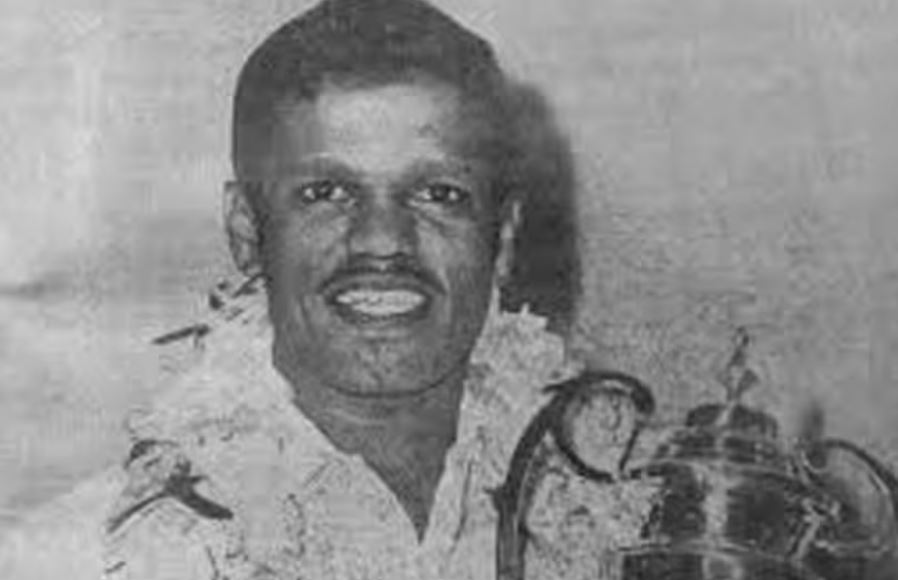
Kolkata, Feb 16: Asian Games gold medallist and Olympian Tulsidas Balaram, a part of Indian football's 'holy trinity' in the prosperous 1950s and 60s, passed away here on Thursday after a prolonged illness, sources close to his family said.
Balaram was 87 and a widower living in a flat on the banks of Hooghly river in Uttarpara.
The 1962 Asian Games champion was hospitalised on December 26 last year and was being treated for urinary infection and abdominal distension.
"His condition did not improve and he breathed his last around 2pm today," a source close to his family told PTI.
"We are grateful to the state government and the sports minister Aroop Biswas for taking good care of him during his last days," he added.
Born on October 4, 1936, to Tamil parents -- Muthamma and Tulsidas Kalidas -- in Ammuguda village in the garrison town of Secunderabad, Balaram scored 131 goals across seven seasons.
Balaram belonged to the golden generation of Indian football in the 1950s and 60s where he teamed up with legends such as Chuni Goswami and PK Banerjee, as they came to be known as 'holy trinity'.
An Arjuna awardee, Balaram's exploits at the 1960 Rome Olympics are well documented.
Placed in the 'group of death' with Hungary, France and Peru, India lost the opener to Hungary 1-2 but Balaram covered himself in glory by scoring a 79th-minute goal. He also scored against Peru in the Games.
India came close to upsetting France a few days later with Balaram again showing his class.
The Jakarta Asian Games gold, where India beat South Korea 2-1 in the final, was the country's second title triumph in football at the multi-discipline continental games, and the achievement hasn't been repeated since.
Besides his ability to score brilliant goals, Balaram was well-known for his amazing ball control, dribbling and passing abilities through a comparatively short but very successful career.
Balaram, who mostly played as a centre-forward or as a left-winger, called it a day in 1963 owing to poor health.
His career spanned eight years between 1955 and 1963, before being cut short by tuberculosis at the age of 27.
Having made his international debut against Yugoslavia at the 1956 Melbourne Olympics, where India finished fourth, he went on to play 36 matches for the country while finding the net 10 times, including four in the Asian Games.
He has represented Bengal and Hyderabad in the Santosh Trophy and tasted success with both states.
After his retirement as an active footballer, Balaram coached the Calcutta Mayor's team in the Gothia Cup in Sweden. He had also served as a talent spotter of the All India Football Federation.
Let the Truth be known. If you read VB and like VB, please be a VB Supporter and Help us deliver the Truth to one and all.
Trump says he ‘hasn’t even thought about’ continuing Iran ceasefire
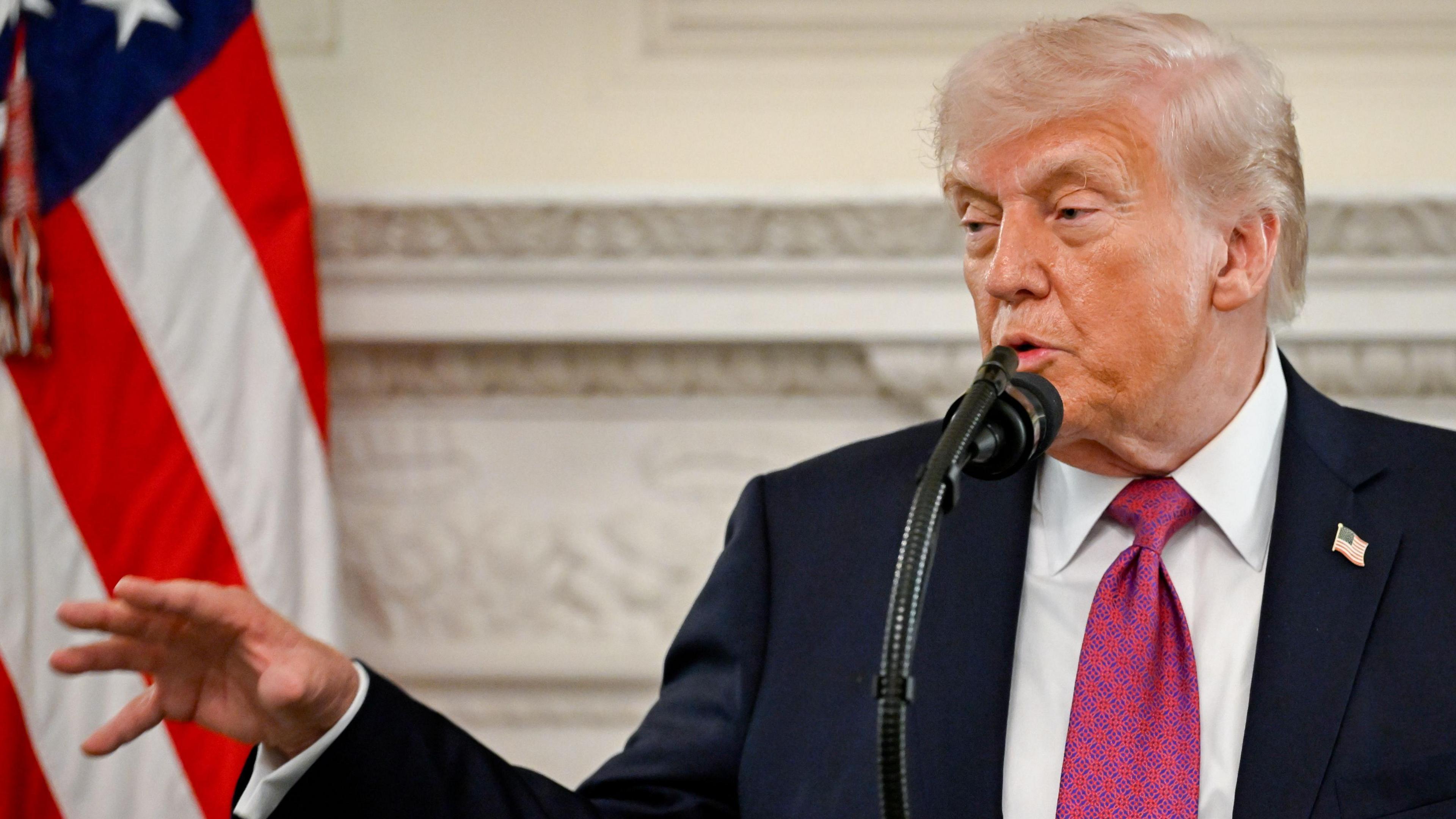
Washington: US President Donald Trump has said he has not yet considered whether he would continue the ceasefire involving Iran, while also claiming the United States holds the advantage in negotiations.
Speaking to reporters, Trump said he was prepared to make a deal with “whoever is running the show” in Iran.
“They are fighting with each other, there’s tremendous infighting. They’re probably fighting for leadership in many cases. I think they’re fighting not to be leader because we knocked out two levels of leaders,” he said.
Trump added, “When they want they can call me. We have all the cards, we’ve won everything.”
Referring to ongoing negotiations, he said, “They gave us a paper that should’ve been better. And, interestingly, immediately when I cancelled it [envoy trip to Pakistan], within 10 minutes we got a new paper that was much better.”
“We talked about they will not have a nuclear weapon, very simple … They offered a lot, but not enough,” he added.
When asked whether he would continue the ceasefire, Trump replied, “I haven’t even thought about it.”
The remarks come as uncertainty remains over the future of the temporary truce and broader negotiations between Washington and Tehran.