Indian trio shoots gold in women's 25m pistol event
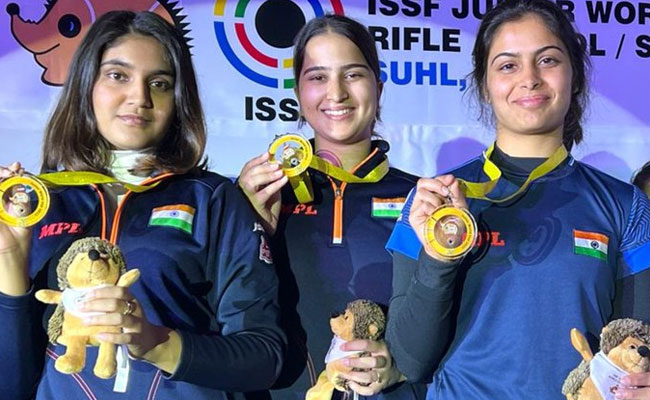
Hangzhou (PTI): The triumvirate of Manu Bhaker, Esha Singh and Rhythm Sangwan fired in tandem to shoot the gold medal in the women's 25m pistol team event as Indian shooters dominated proceedings at the Asian Games here on Wednesday.
Manu, Esha and Rhythm totalled 1759 to finish on top of the podium and help the country clinch its fourth gold medal in the ongoing sporting extravaganza. This was the second gold medal for India in shooting in these Games.
The sensational Manu also topped the qualification after finishing the last rapid-fire series with 98.
The Chinese bagged the silver medal with 1756, while the shooters from South Korea settled for the third position with a total score of 1742.
They claimed the top prize minutes after another trio of Indian shooters dished out an excellent performance to win a silver medal in the women's 50m rifle 3 position event.
Ashi Chouksey, Manini Koushik and Sift Kaur Samra combined to shoot a total of 1764 points in the qualification to finish second on the podium.
Hosts China won the gold with an aggregate score of 1773, while South Korea bagged the bronze with a total score of 1756.
Samra and Chouksey qualified for the finals as well by finishing second and sixth respectively, while Kaushik bowed out in the individual event by finishing 18th.
Sift scored a total of 594 to create a joint new Asian record for qualifying.
While Kaushik missed out on the final, Samra shot 100 in two series to finish with a total of 397 after kneeling and prone positions.
Samra and Chouksey were excellent in their three series, more so in standing section, to finish in the top 8 and qualify for the individual final.
Kaushik said after the event, "I'm happy for my teammates and that we got a silver in the team competition. I'm just focusing on the positives at the moment.
"At least I have a medal to show. I am not coming back empty-handed, so I am happy about that. I'm happy about my country, about my teammates, about my staff and all the people working with us."
On whether her tears after her competition were happy or sad tears, she said, "Both. I'm happy for my team and for my country, but I need to work on myself. There are mixed feelings but I'm just focusing on the positive sides at the moment."
In the women's 25m pistol, Manu (590) topped the qualification round, Esha (586) finishes fifth. Rhythm (583) ended seventh but since only two shooters per country are allowed in the final, she missed the cut.
Manu, especially, was at the top of her game as she shot nine 10s and 1 nine to get a total of 99 and maintain her hegemony in the qualification. The Youth Olympic and Commonwealth Games champion started with a brilliant 99/100 in her first rapid series to signal her intention.
Let the Truth be known. If you read VB and like VB, please be a VB Supporter and Help us deliver the Truth to one and all.
Allahabad HC orders probe into 'reinstatement' of teacher in UP's Barabanki
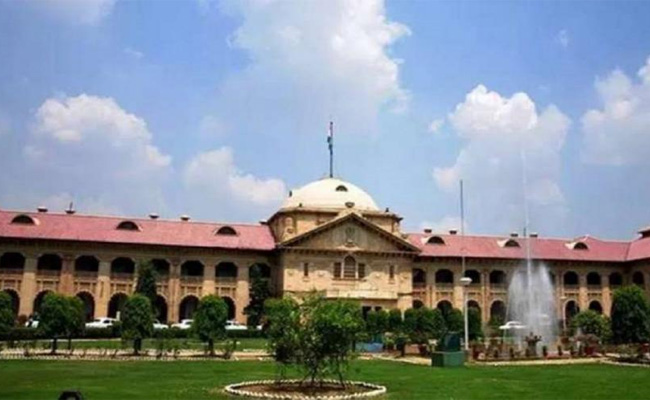
Lucknow (PTI): The Lucknow Bench of the Allahabad High Court on Friday ordered a probe by the special task force (STF) into alleged irregularities in the rejoining of a teacher at City Intermediate College in Barabanki, observing that the reinstatement appeared to be prima facie illegal.
The court also directed the recovery of the salary paid to the teacher during the disputed period.
A bench of Justice Rajeev Singh passed the order on a petition filed by the college management committee. The court expressed doubts over the roles of the District Inspector of Schools (DIOS), Barabanki, the college principal and the teacher concerned and hence, directed a detailed inquiry into the matter.
Taking note of alleged manipulation of records and misleading submissions, the court ordered the immediate transfer of the Barabanki DIOS to ensure a fair probe. It also directed the initiation of disciplinary proceedings against the then joint director of education of the Ayodhya division.
In its order, the court found that the teacher, Abhay Kumar, was initially appointed as an assistant teacher in 2018 but joined an Eklavya Model Residential School in Chhattisgarh as a lecturer in June 2024 without obtaining permission from the management. His subsequent request to retain the lien was rejected.
Despite this, he was allowed to rejoin the Barabanki College in September 2025 on the directions of the joint director of education and the DIOS, and was even paid the salary for October 2025. The court termed the rejoining "wholly illegal" and lacking any legal basis.
The bench also expressed concern over lapses in communication within the education department and directed the Uttar Pradesh chief secretary to ensure that official orders are communicated through email and WhatsApp as well, to prevent disputes.
The matter is next listed for hearing on May 28 when a compliance report is sought.