India's Anshu Malik grabs silver at Wrestling World Cup
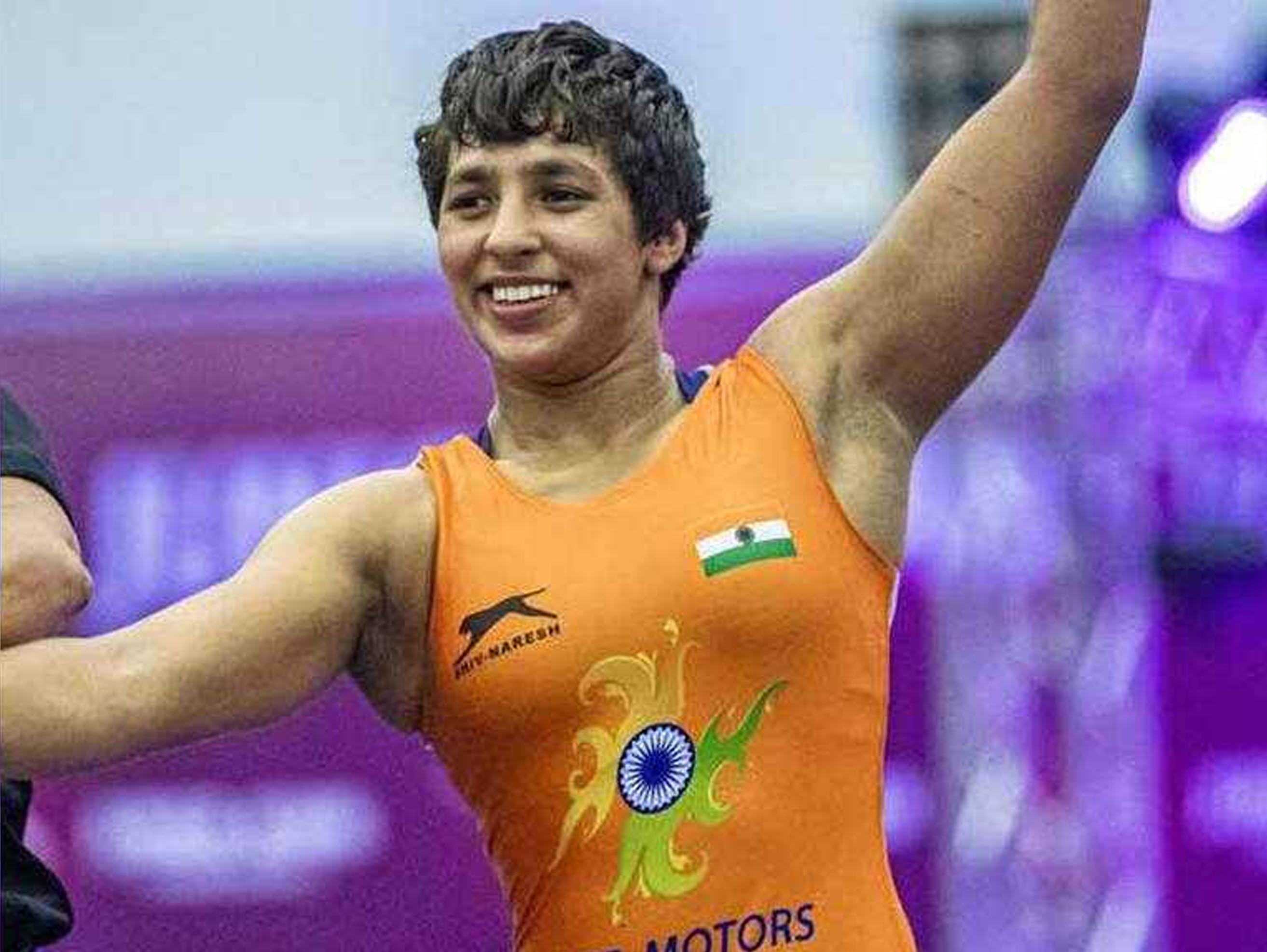
Belgrade, Dec 17: Young Anshu Malik was the lone Indian woman wrestler to win a medal at the individual World Cup, grabbing a silver in the 57kg category, here.
Anshu, who is coming up from the junior ranks, clinched her third medal at the senior level from as many tournaments. She lost the gold medal bout 1-5 to Moldova's Anastasia Nichita on Wednesday night.
She had won a bronze at the Asian Championship early this year in New Delhi and a silver at Mattio Pellicone event in Rome in January.
She is gradually making the 57kg category her own despite presence of World championship medallist Pooja Dhanda and experienced Sarita Mor in the same weight class.
Anshu began with a 4-2 win over Azerbaijan's Alyona Kolesnik and followed it up with 3-1 victory over Germany's Laura Mertens in the quarterfinals.
In the semi-final, she outplayed Russia's Veronika Chumikova, recording a victory by fall.
Another Indian grappler Pinki also did well to reach the 55kg semi-finals, where she lost to Belarusian Iryna Kurachkina.
She later lost the bout for bronze to Russia's Olga Khoroshavtseva by technical superiority.
Sarita (59kg), Sonam Malik (62kg) and Sakshi Malik (65kg) could not go beyond quarterfinals in their respective categories.
Veteran Gursharanpreet got a repechage round in the 72kg but lost that by technical superiority to Evgeniia Zakharchenko.
Nirmala Devi (50kg) and Kiran (76kg) fizzed in the Qualification round, losing 6-9 to Poland's Anna Lukasiak and Canada's Erica Elizabeth Wiebe respectively.
From among the Greco Roman grapplers, only Arjun Halakurki could reach the quarterfinals in the 55kg while all other could not go beyond qualification rounds.
Arjun lost 5-10 to Kyrgyzstan's Balbai Dordokov.
Let the Truth be known. If you read VB and like VB, please be a VB Supporter and Help us deliver the Truth to one and all.
Seven killed, three injured in separate road accidents in UP
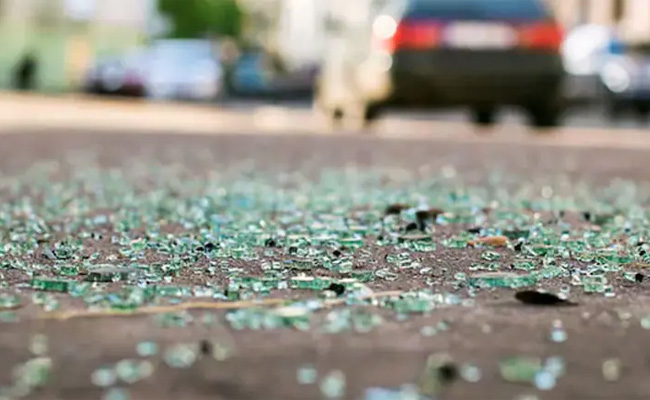
Mainpuri/Muzaffarnagar/Deoria (UP) (PTI): Seven people were killed and three others injured in separate road accidents in Mainpuri, Muzaffarnagar and Deoria districts of Uttar Pradesh, police said on Wednesday.
All incidents took place on Tuesday night.
In Mainpuri, three persons, including a couple, were killed near the Shitala Devi Temple on Devi Road under Kotwali police circle when a pickup vehicle hit a motorcycle head-on, Superintendent of Police Ganesh Saha said.
The victims, Dharmendra Singh (50), his wife Baby (48), both residents of Ferozabad, and Sanjay Singh (40) of Tavepur village, were on the two-wheeler and were on their way to attend the cremation of a relative when the incident took place.
According to police, the pickup and a Wagon R car were attempting to overtake each other when the former went out of control and rammed into the motorcycle, killing all three riders on the spot. Police rushed to the scene and sent the bodies for post-mortem examination, Saha added.
In Muzaffarnagar's Charthawal town, a 30-year-old woman, identified as Imrana, was killed while another woman was injured after a speeding car hit them on Rajbaha Road.
Circle Officer Ravishankar said the victims were walking when the car struck them, throwing Imrana into a canal. She was declared dead by the doctors.
Following the incident, villagers staged a protest demanding action against the driver, who fled the spot without the vehicle. Police said efforts are underway to trace and arrest the accused.
In another incident in Deoria district, three persons were killed, and two others seriously injured when a car crashed into a tree in the Baghochghat area late Tuesday night, police said.
The accident occurred near Haji Market when a Bihar-registered Swift car coming from Pakaha went out of control and rammed into a roadside tree, leaving the vehicle badly mangled.
Police said five people were travelling in the car. Three of them died on the spot, while two injured persons were admitted to Maharshi Devaraha Baba Medical College in Deoria.
The deceased have been identified as Karan Kushwaha, a resident of Gopalganj district in Bihar, and Pintu Kumar of Dulharpur village under Phulwaria police station. The identity of the third deceased is yet to be established.
The injured have been identified as Govind Kushwaha (18) of Sisai village in Kushinagar and Bhola Srivastava alias Sonu (22). Police said the occupants had visited a relative's place in Kushinagar and were returning after attending a wedding function when the accident occurred.
Station House Officer Anil Tiwari said police had to use a gas cutter to rescue the victims trapped inside the vehicle.
The bodies have been sent for post-mortem examination, and further legal proceedings are underway, he added.