India's first-ever 'hybrid pitch' unveiled in Dharamsala
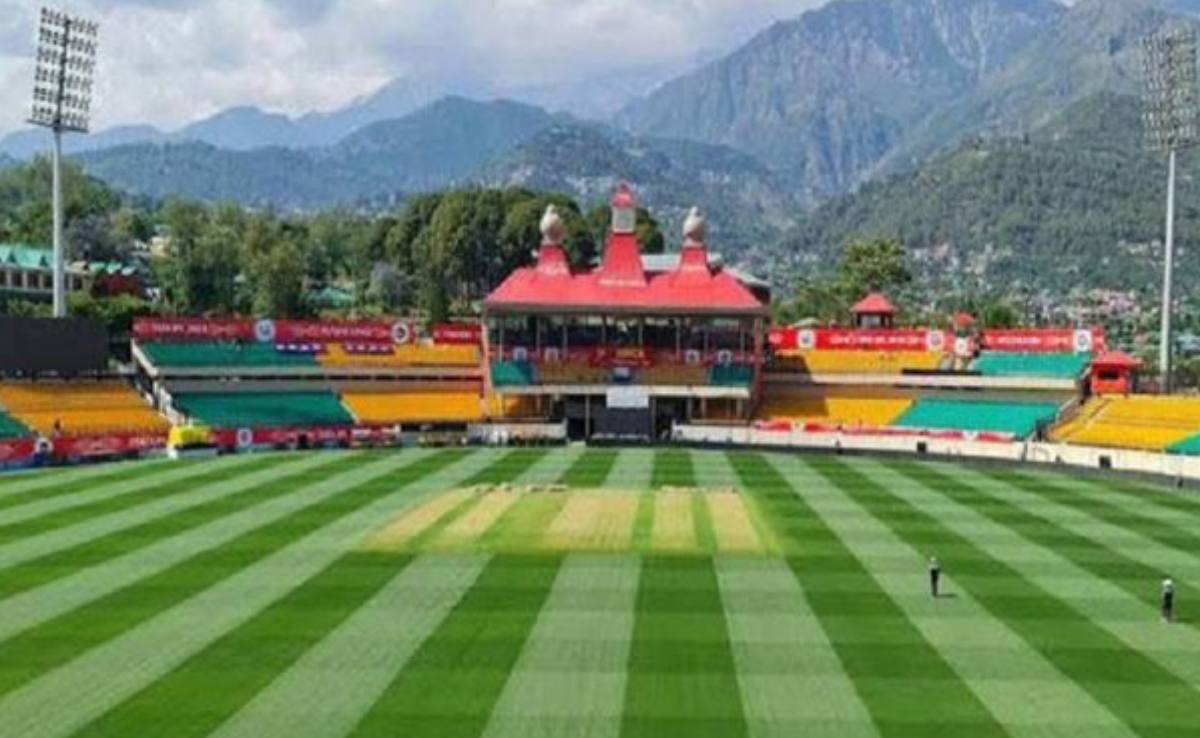
Dharamsala, May 6: India's first-ever 'hybrid pitch' was unveiled at the Himachal Pradesh Cricket Association (HPCA) stadium in a grand ceremony here on Monday.
The event was attended by IPL Chairman Arun Dhumal and cricket dignitaries including Paul Taylor, a former England cricketer and SIS's international cricket director.
"The introduction of hybrid pitches is set to revolutionize cricket in India, following their success in iconic venues like Lord's and The Oval in England," said Dhumal, who hails from Himachal Pradesh.
The hybrid pitch, which combines natural turf with synthetic fibres, promises enhanced durability and consistent playability, reducing the strain on ground staff and maintaining quality playing conditions.
With only 5% synthetic fibres, the pitch ensures that the natural characteristics essential for cricket are preserved.
Taylor expressed gratitude towards the HPCA for their collaboration on this pioneering project.
"With the ICC's approval, we're excited to see the positive impact these pitches will have on the sport, starting with installations in Mumbai and Ahmedabad next," he said.
The 'Universal Machine', a critical component in installing the hybrid surface, was developed by SISGrass in 2017 and has been instrumental in the rollout of similar pitches across England’s county cricket grounds.
This innovation aligns with the ICC's recent sanctioning of hybrid pitches for T20 and one-day international matches, with plans to expand their use in four-day county championships starting this year.
The integration of technologies like SISAir, a root aeration system, further underscores the commitment to enhancing cricket infrastructure in India. This system improves the pitch's health and resilience, benefiting players with better and safer playing conditions.
Let the Truth be known. If you read VB and like VB, please be a VB Supporter and Help us deliver the Truth to one and all.
No unannounced load shedding in Kerala, outages due to overload, says Minister
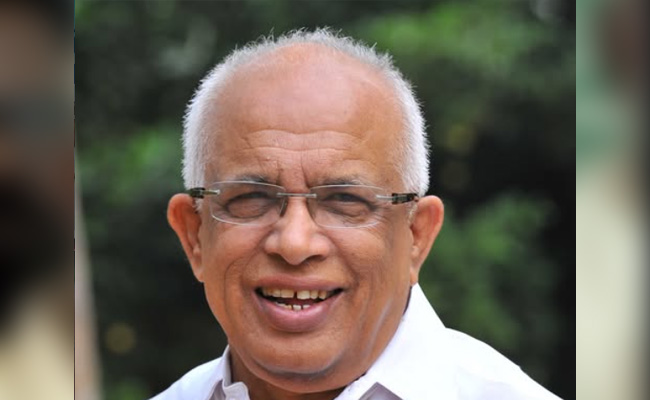
Palakkad (PTI): Kerala Electricity Minister K Krishnankutty on Saturday said there was no unannounced load shedding in the state, attributing recent power interruptions to temporary overload caused by high consumption.
Clarifying concerns raised from various parts of the state, the minister said the disruptions are not deliberate but occur when demand peaks, particularly between 10 pm and 11 pm.
"It is not being done intentionally. Power consumption has risen sharply, and when there is excessive and indiscriminate usage, the system experiences overload, leading to natural supply interruptions," he told reporters here.
His remarks come amid complaints that several areas have been witnessing frequent power cuts, often lasting around 15 minutes and occurring multiple times during the night.
Krishnankutty said the state's power demand has crossed 6,195 MW, putting pressure on the supply system. He added that around 70 per cent of Kerala's electricity is procured from outside, and existing power banking arrangements have been exhausted.
"We have approached the Regulatory Commission seeking permission to purchase more power. However, this will come at a higher cost," he said.
The minister said the government is trying to avoid increasing electricity tariffs and urged consumers to exercise restraint in usage to help manage the situation.
Responding to opposition criticism over the ruling LDF's earlier claims of a decade without power cuts, he said the current situation is not unique to Kerala.
A power crisis is emerging across the country, he said, and sarcastically asked the Opposition to take note of the role of natural factors in this.
Krishnankutty expressed confidence that the situation would improve within two days, while cautioning that long-term energy security would depend on enhancing in-state power generation.
He also warned that future generations could face serious challenges if adequate electricity production capacity is not developed within Kerala.