It's really immature, you can't be a role model in this manner: Gambhir slams Kohli

New Delhi (PTI): Virat Kohli's outburst against a controversial DRS decision during the third Test against South Africa was "immature" and with such "exaggerated" reaction, the India skipper will never be a role model to youngsters, feels former opener Gautam Gambhir.
Kohli, his deputy KL Rahul and off-spinner Ravichandran Ashwin made some unsavoury comments about umpiring and technology in stump mic after rival skipper Dean Elgar got a massive reprieve due to a contentious DRS decision in the last hour on day 3.
"This is really bad. What Kohli did, going near the stump mic and reacting in that manner, that is really immature. This is not what you expect from an international captain, from an Indian captain," Gambhir told Star Sports.
Gambhir pointed out that Mayank Agarwal too had got a reprieve during the first Test in Centurion but it didn't invite similar response from the South African skipper.
"Then technology isn't in your hand. Then you have reacted in the same manner when there was a caught-behind appeal on the leg-side, neither did Dean Elgar react in that manner. During that Mayank Agarwal appeal, it looked OUT from the naked eye, but Elgar did not react in that manner," he said.
In the 21st over, Elgar was adjudged LBW by the on-field umpire Marais Erasmus when he was hit on the pads by an Ashwin delivery. However, the decision was overturned on review.
Livid with the decision, a fuming Kohli went up to the stumps and said: "Focus on your team as well when they shine the ball eh, not just the opposition. Trying to catch people all the time."
Rahul and Ashwin also expressed similar reactions. It's the whole country against 11 guys, said KL Rahul, while Ashwin slammed the broadcaster: "You should find better ways to win, SuperSport."
"No matter what you say, stuff like he plays with his heart on his sleeve, this reaction was an exaggerated one and you can't be a role model in this manner. No budding cricketers would want to see this kind of a reaction, especially from the Indian captain," Gambhir said.
"No matter the result in this Test match, this is not what you expect from a Test captain who has led the team for so long. I hope Rahul Dravid has a word with him, because the type of captain Dravid was, he would have never reacted in this manner."
Former South African batter Daryll Cullinan also slammed Kohli for his outburst, saying for too long he has got away with such behaviour.
"This is the typical Virat's untouchable, he behaves the way he wants to behave. The rest of the cricket world just bows down to Virat. The powerhouse is India. I hate to say this but it's been going on for years," he said.
"It's just the big suck up towards India and anybody who plays for India. They are untouchable, so everyone will laugh it off."
The 54-year-old, who has scored 4554 runs in 70 Tests and 3860 runs in 138 ODIs, feels Kohli should be reprimanded for his behaviour.
"I love Virat Kohli, I love his cricket, I love the way he plays. But there has to be a line drawn somewhere to say hang on, you must be severely punished'.
"If anything, it was a mistake. I just cannot believe that they could think along those sort of lines. For too long Virat has got away with behavior which is unacceptable on a cricket field. But he's Kohli and I don't like it, quite frankly."
Kohli and Indian players on the stump mic #SAvIND pic.twitter.com/fXs6x8RFtD
— Xolani (@ThatXolani) January 13, 2022
#DRS Drama . #Kohli is deeply frustrated.#ViratKohli on Stump mic
— (@Sachin10fans) January 13, 2022
"Focus on your team as well. Trying to catch people all the time" #Ashwin - you should find better ways to win.#INDvSA #SAvsIND #BCCI #Elgar#CricketTwitter #CapeTownTest #gautamgambhir #RohitSharma pic.twitter.com/7ZwHpGHRzA
Let the Truth be known. If you read VB and like VB, please be a VB Supporter and Help us deliver the Truth to one and all.
15 passengers sustain minor injuries after KSRTC bus overturns in Karnataka's Chitradurga district
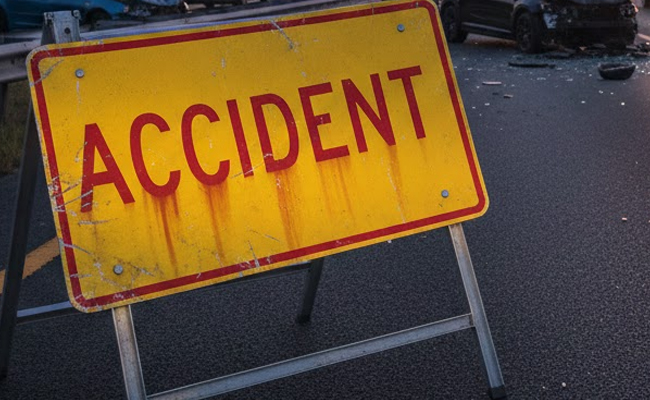
Chitradurga (Karnataka) (PTI): Fifteen passengers sustained minor injuries after the KSRTC bus they were travelling in overturned after the driver allegedly lost control of the vehicle in this district on Tuesday morning, police said.
The accident occurred near Heggare in Challakere taluk of Chitradurga district at around 7 am, they said.
According to police, the bus was en route from Raichur to Bengaluru when the driver allegedly lost control of the vehicle, hit a divider and the bus overturned.
Fifteen passengers sustained minor injuries and were shifted to the Challakere Government Hospital, they said.
The accident is suspected to have occurred due to the driver losing control after falling asleep, police said.
Further investigation is underway, they added.