KKR beat Sunrisers Hyderabad by seven wickets
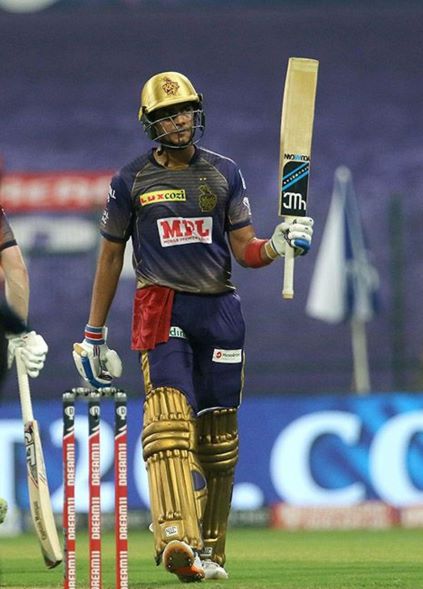
Abu Dhabi: Kolkata Knight Riders defeated Sunrisers Hyderabad by seven wickets in an Indian Premier League (IPL) match here on Saturday.
Opting to bat first, Sunrisers Hyderabad scored 142 for four with Manish Pandey making a 38-ball 51 at the Sheikh Zayed Stadium.
In reply, KKR chased down the target of 143 with two overs to spare. Shubman Gill top-scored with an unbeaten 70 off 62 balls.
Brief scores:
Sunrisers Hyderabad: 142/4 in 20 overs (Manish Pandey 51, David Warner 36; Pat Cummins 1/19).
Kolkata Knight Riders: 145/3 in 18 overs (Shubman Gill not out 70, Eoin Morgan not out 42).
Let the Truth be known. If you read VB and like VB, please be a VB Supporter and Help us deliver the Truth to one and all.
Karnataka School Edu Dept prohibits children from being made to dance to obscene songs
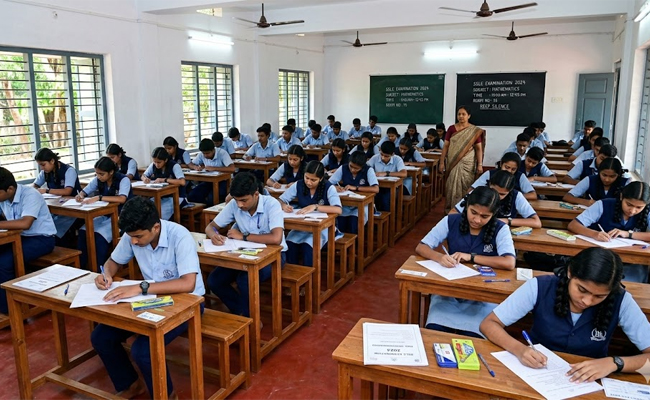
Bengaluru (PTI): The Karnataka School Education Department has issued a circular strictly prohibiting children from being made to dance to obscene songs in educational and cultural programmes.
It stated that such dances would negatively impact students' mental health and moral values. It will create indiscipline and harm the sanctity of education.
"All the Deputy Directors (Administration) of the state's School Education Department have been asked to take strict measures to prevent children or students from dancing to obscene songs in all government, aided and unaided schools in the state," the office of the commissioner of the School Education Department said in a recent circular.
"If it is found that children are being made to dance to obscene songs, appropriate action will be taken against the headmaster or management of such school," it added.
The department also listed certain measures in this regard, which include: strictly prohibiting children from being made to dance to obscene songs during educational and cultural programmes; selecting songs that are inspiring, positive, instilling national pride in children and reflecting the greatness, dignity, values, culture, and morality of the state.
Stating that the school headmaster and management are responsible for selecting songs and dances for cultural programmes, it said, they should also ensure that students wear decent clothes in dance or cultural programmes.