KKR’s Shah Rukh Khan and PKBS’s Ness Wadia clash over IPL auction plans: Reports
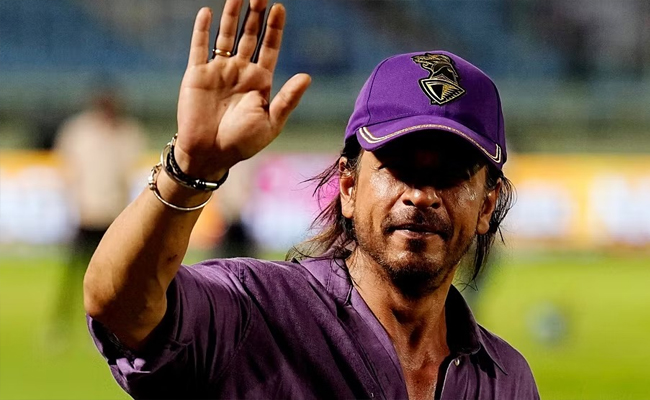
Mumbai: Kolkata Knight Riders (KKR) co-owner Shah Rukh Khan reportedly engaged in a heated argument with Ness Wadia, co-owner of Punjab Kings, during a meeting of Indian Premier League (IPL) franchise owners on Wednesday in Mumbai.
According to reports, Khan and Wadia disagreed over the number of retentions that should be allowed during the mega auctions ahead of IPL 2025. While the Bollywood star favoured major retentions, Wadia opposed the idea, as reported by Cricbuzz. Sunrisers Hyderabad’s co-owner Kavya Maran sided with Khan, expressing her franchise’s preference for a mini auction rather than a mega auction.
However, Wadia denied any claims of a dispute with Khan, stating that he has known the Bollywood star for over 25 years and there is no animosity between them. He added that everyone shared their opinions during the meeting, and ultimately, the focus is on considering all stakeholders and doing what is best for everyone.
Following the meeting, Board of Control for Cricket in India (BCCI) secretary Jay Shah released a statement highlighting that a “constructive dialogue” took place among the owners of the 10 franchises. He mentioned that feedback was shared on player regulations and other commercial aspects, including central merchandising, licensing, and gaming. “The BCCI will now take these recommendations to the IPL Governing Council for further deliberation and evaluation before formulating the IPL player regulations,” Shah added.
Let the Truth be known. If you read VB and like VB, please be a VB Supporter and Help us deliver the Truth to one and all.
West Asia war: Vessel carrying 20,000 tonnes of LPG reaches Gujarat crossing Strait of Hormuz
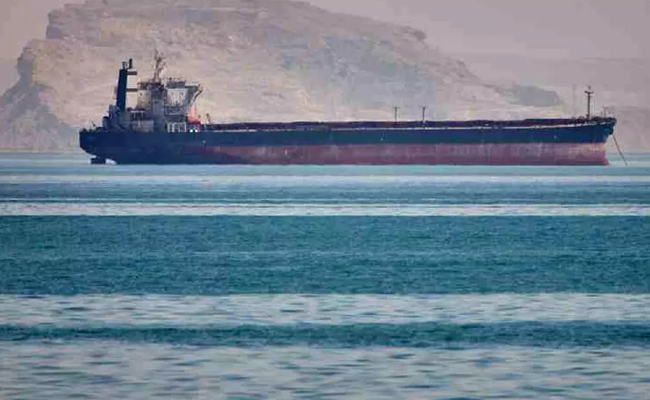
Kandla (Gujarat) (PTI): A vessel carrying 20,000 metric tonnes of Liquefied Petroleum Gas (LPG) arrived at Deendayal Port Authority in Kandla in Gujarat after crossing the Strait of Hormuz amid the West Asia crisis, officials said on Sunday.
The Marshall Islands-flagged MV SYMI started its journey from Qatar and docked at the port in Kandla around 11.30 pm on Saturday after crossing the Strait of Hormuz on May 13, they added.
Since early March, 13 India-flagged vessels, comprising 12 LPG tankers and one crude oil tanker, have crossed the Strait of Hormuz, a narrow waterway close to the coast of Oman through which roughly one-fifth of the world's energy supplies pass.
It has been severely disrupted by the conflict in West Asia that started on February 28, with the US and Israel launching joint attacks on Iran, triggering retaliatory strikes. It has resulted in one of the worst energy crisis the world has seen in recent decades.
Incidentally, at a special meeting of the United Nations Economic and Social Council (UNECOSOC) on safeguarding energy and supply flows, India’s Permanent Representative to the UN Parvathaneni Harish said targeting commercial shipping, endangering civilian crew and impeding freedom of navigation in the Strait of Hormuz is "unacceptable".
On May 13, an India-flagged commercial vessel came under attack off the coast of Oman.
Omani authorities rescued all 14 crew members of the vessel sailing from Somalia, but it was not immediately known who carried out the strike.