Never cheated, had suicidal thoughts: Yuzvendra Chahal opens up on mental health issues post divorce
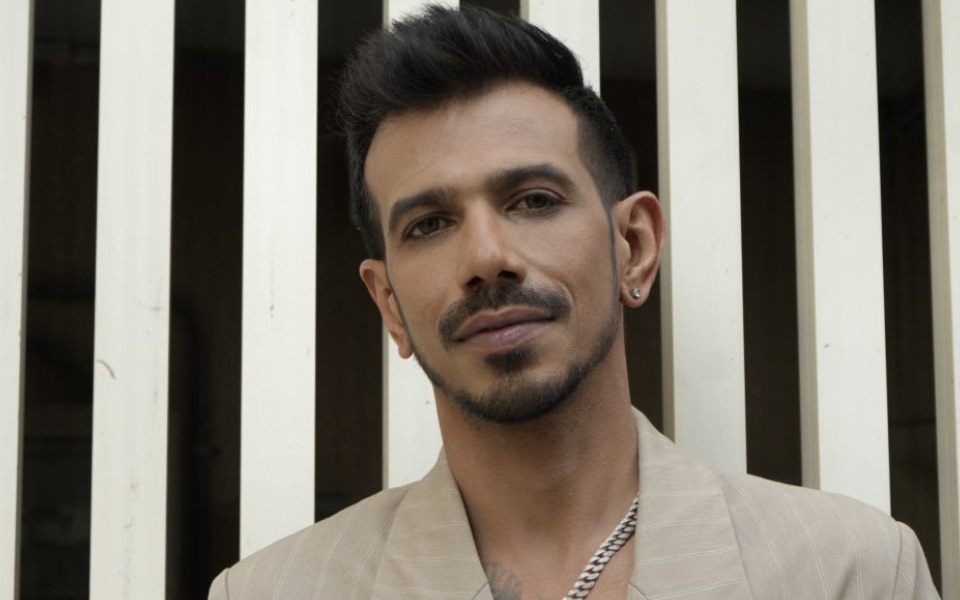
New Delhi, Aug 01 (PTI): India leg-spinner Yuzvendra Chahal has opened up about his struggles with mental health issues following his divorce from Dhanashree Verma, revealing that he was wrongly labelled as a "cheater" and battled suicidal thoughts during the tumultuous period.
Speaking on the Raj Shamani Podcast, Chahal addressed the public scrutiny surrounding his personal life and emphasised that the decision to separate was not sudden but had been under consideration for some time.
"After my divorce, I was called a cheater. But I have never cheated in my life. I'm extremely loyal — probably more than most. For my loved ones, I've always thought from the heart," he said.
The 34-year-old cricketer said he was emotionally distressed following the separation.
"I had suicidal thoughts. I was tired of my life. I would cry for two hours a day, sleep just two hours. This went on for over 40 days. I had anxiety attacks, depression. Only those close to me knew what I was going through," Chahal said.
Chahal also shared that he considered taking a break from cricket, as he found it difficult to focus amid the mental strain.
Reflecting on his marriage, Chahal said the growing professional commitments on both sides played a role in the eventual separation.
"It was going on for a while. We decided we wouldn't go public until we were sure. On social media, we looked like a normal couple, but the issues had started to build up. A relationship requires compromise — if both people are always busy, there's bound to be distance," he added.
Chahal denied rumours that emerged during that period and said the negativity affected him deeply.
"Just because you are seen with someone, people link you up. I have two sisters. I know how to respect women," he said.
The leg-spinner also addressed the viral moment when he wore a T-shirt that read "Be your own sugar daddy" during a court appearance, suggesting it was a symbolic response to events on the other side.
"I didn't want drama, but something happened from the other side. So, I gave my message through the T-shirt. I didn't abuse anyone," he clarified.
Despite the challenges, Chahal said the separation was handled maturely and mutually.
"If things happen between two people, they can still happen peacefully," he said.
Chahal is currently playing county cricket for Northamptonshire. He has taken a six-wicket haul (6/118 in 33.2 overs) in the first innings against Derbyshire in the ongoing County Championship Division Two.
Let the Truth be known. If you read VB and like VB, please be a VB Supporter and Help us deliver the Truth to one and all.
Congress using hijab issue to pacify minority anger, alleges Karnataka LoP R Ashoka
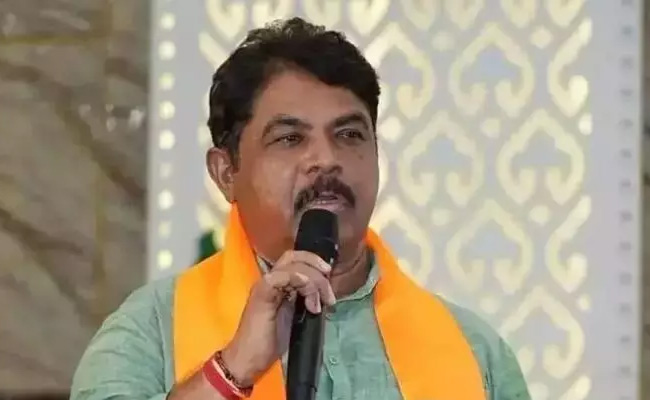
Bengaluru: Leader of Opposition in the Assembly R. Ashoka has accused the Congress government of using the hijab issue to placate what he described as discontent among minority voters after the Davanagere by-election.
In a post on X on Wednesday, Ashoka alleged that the state government, instead of addressing issues such as price rise, corruption, farmers’ distress and law and order, was attempting to retain its minority vote base by reviving the hijab issue.
Referring to the 2022 dress code introduced by the BJP government, which prohibited hijab in schools and colleges, Ashoka said the Karnataka High Court had upheld the policy and emphasised the importance of discipline in educational institutions.
He questioned the Congress government’s move to revisit the issue and asked whether setting aside the court-backed policy to benefit one community could be described as secularism.
Ashoka further alleged that while the government was willing to permit hijab, it continued to prohibit saffron shawls.
He accused the government of dividing students on religious lines rather than treating schools and colleges as spaces of equality.
Drawing a comparison with Mamata Banerjee’s government in West Bengal, Ashoka claimed that excessive appeasement politics had harmed the state and warned that the Congress in Karnataka could face a similar political response.
He said voters in Karnataka would teach the Congress a lesson for what he termed “vote-bank politics” and for compromising constitutional and judicial principles.