Out-of-form KL Rahul retains his place for last two Tests, Unadkat recalled for ODIs
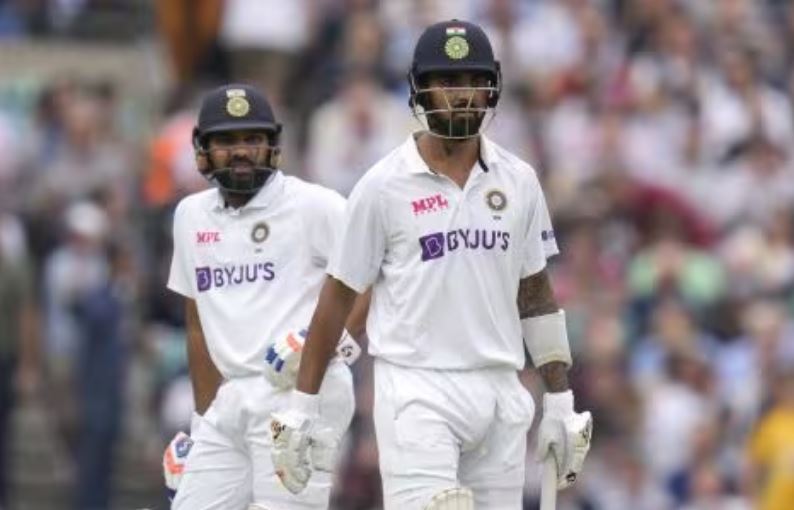
New Delhi, Feb 19: India opener K L Rahul on Sunday kept his place in the Test team for the remaining two matches of the Border-Gavaskar Trophy as the selectors announced an unchanged squad following the six-wicket win over Australia in Delhi.
With Shubman Gill warming the bench, Rahul's scores so far in the series read 20, 17 and 1. The opener also endured a lean run in Bangladesh last year when he led the side in the two-Test series.
Interestingly, he was the designated vice-captain for the first two Tests against Australia but no deputy to Rohit Sharma has been named for the last two games.
The third Test will be played in Indore from March 1 and the fourth in Ahmedabad from March 9.
Besides naming the Test squad, the four selectors, following the unceremonious exit of selection committee chief Chetan Sharma, also picked the team for the three ODIs against Australia beginning March 17.
Seasoned left-arm seamer Jaydev Unadkat, who was part of the squad for the first two Tests of the Border-Gavaskar Trophy before being released to represent Saurashtra in the Ranji Trophy final against Bengal, is back in the team for the remaining two games.
The Saurashtra skipper also finds himself in the ODI squad for the three-match series against Australia. He last played an ODI back in 2013, but the selectors have shown faith in the veteran, highlighting the lack of quality left-arm pacers in the country.
The much younger Arshdeep Singh was tried in ODIs recently but has not made the cut for the Australia series.
Star speedster Jasprit Bumrah, who has been out of action at the international level since September 2022 due to back issues and missed the T20 World Cup, Bangladesh tour and the home series versus Sri Lanka and New Zealand, is not part of either the Test or the ODI team. He is likely to make a comeback in the IPL beginning March 31.
The BCCI release also stated that Rohit will be unavailable for the first ODI due to family commitments and Hardik Pandya will lead the side in his absence.
As far as the out-of-form Rahul is concerned, head coach Rahul Dravid said that the team management would like to give him a longer run.
Following the win at Kotla on Sunday, skipper Rohit also backed the under-fire Rahul.
"Of late, there has been lot of talk on his batting. But for us as team management, we always look at the potential of any individual, not just KL. I have been asked in the past about lot of players. If a guy has potential, guys will get that extended run," Rohit said.
"It is not just about KL, but anyone. If you look at couple of hundreds, he got outside India (England 2021 and SA 2022), one of the best I have seen from KL, especially the one at the Lord's," he added.
From the last ODI squad picked for the New Zealand series, Shahbaz Ahmed and K S Bharat are the expected omissions.
Ishan Kishan is the designated wicket-keeper in the 50-over squad and not Rahul, as per the BCCI release.
India's Test squad for third and fourth Test against Australia: Rohit Sharma (captain), KL Rahul, Shubman Gill, Cheteshwar Pujara, Virat Kohli, KS Bharat (wk), Ishan Kishan (wk), Ravichandran Ashwin, Axar Patel, Kuldeep Yadav, Ravindra Jadeja, Mohd. Shami, Mohd. Siraj, Shreyas Iyer, Suryakumar Yadav, Umesh Yadav, Jaydev Unadkat.
India's ODI squad for series against Australia: Rohit Sharma (captain), Shubman Gill, Virat Kohli, Shreyas Iyer, Suryakumar Yadav, K L Rahul, Ishan Kishan (wk), Hardik Pandya (Vice-captain), Ravindra Jadeja, Kuldeep Yadav, Washington Sundar, Yuzvendra Chahal, Mohd. Shami, Mohd. Siraj, Umran Malik, Shardul Thakur, Axar Patel, Jaydev Unadkat.
Let the Truth be known. If you read VB and like VB, please be a VB Supporter and Help us deliver the Truth to one and all.
Trump says he ‘hasn’t even thought about’ continuing Iran ceasefire
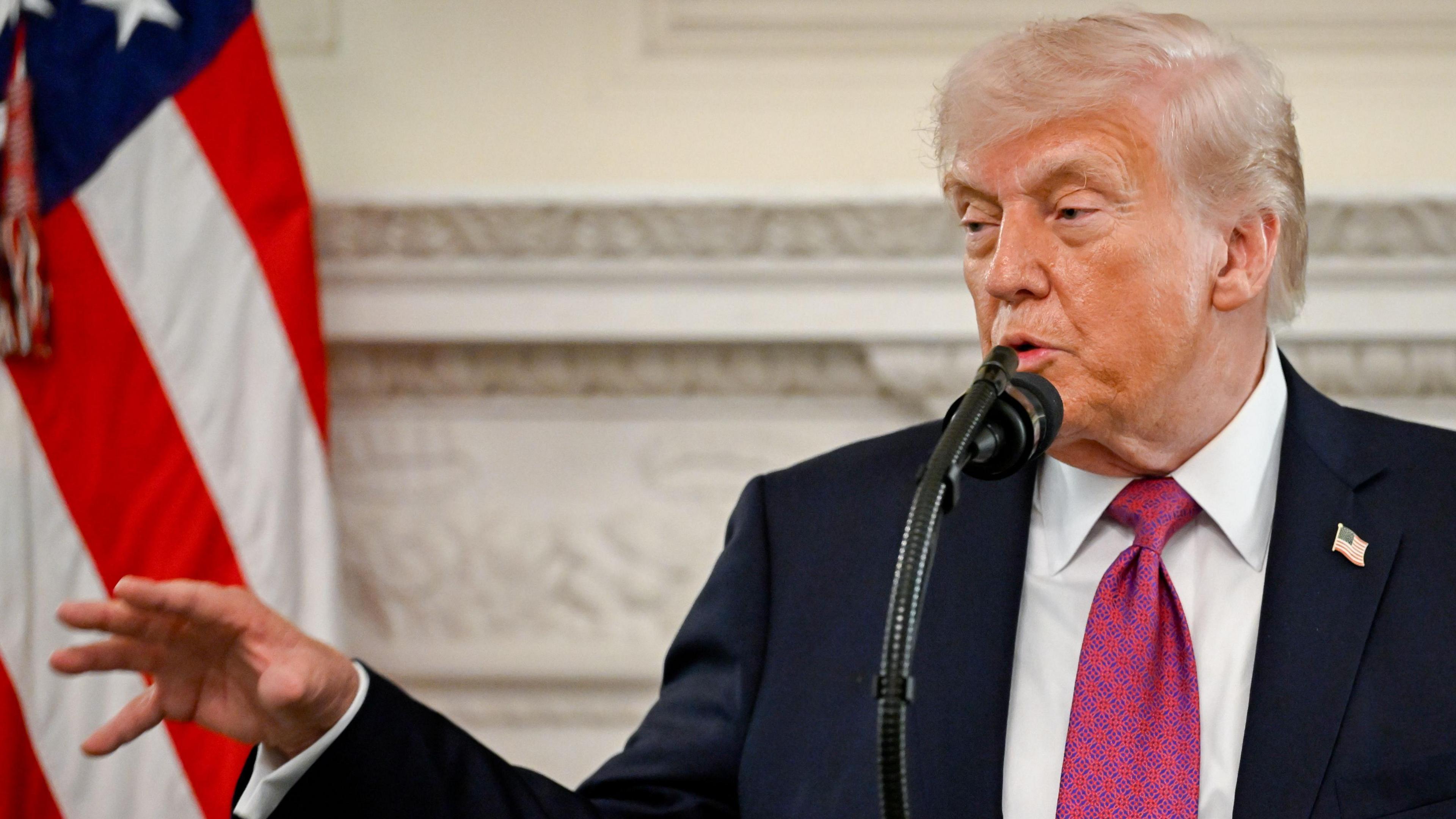
Washington: US President Donald Trump has said he has not yet considered whether he would continue the ceasefire involving Iran, while also claiming the United States holds the advantage in negotiations.
Speaking to reporters, Trump said he was prepared to make a deal with “whoever is running the show” in Iran.
“They are fighting with each other, there’s tremendous infighting. They’re probably fighting for leadership in many cases. I think they’re fighting not to be leader because we knocked out two levels of leaders,” he said.
Trump added, “When they want they can call me. We have all the cards, we’ve won everything.”
Referring to ongoing negotiations, he said, “They gave us a paper that should’ve been better. And, interestingly, immediately when I cancelled it [envoy trip to Pakistan], within 10 minutes we got a new paper that was much better.”
“We talked about they will not have a nuclear weapon, very simple … They offered a lot, but not enough,” he added.
When asked whether he would continue the ceasefire, Trump replied, “I haven’t even thought about it.”
The remarks come as uncertainty remains over the future of the temporary truce and broader negotiations between Washington and Tehran.