Pacers remove openers as Australia reach 76 for 2 at lunch
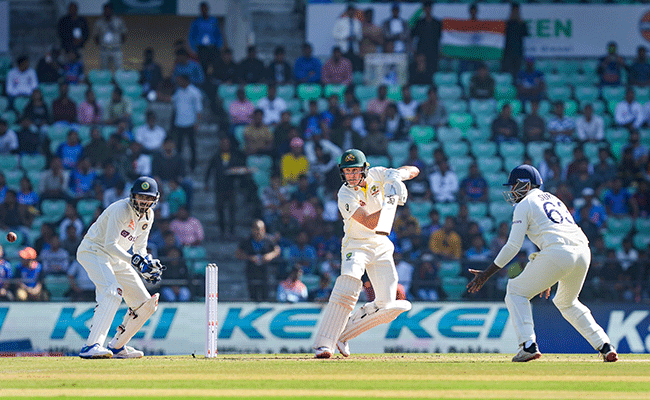
Nagpur, Feb 9 (PTI) Steve Smith and Marnus Labuschagne handled the Indian spinners with a lot of confidence as Australia recovered from early jitters to reach 76 for two at lunch on opening day of the first Test, here Thursday.
Mohammed Shami (1/12) and Mohammed Siraj (1/13) removed Usman Khawaja (1) and David Warner (1) in quick succession but Labuschagne (47) and Smith (19) led the Australian fight back in an engaging first session where they didn't let India's spin troika get better of them.
Labuschagne, who hit eight shots to the fence in his 110-ball innings, played the role of an enforcer whereas his senior Smith defended doggedly during his 74-ball stay, nullifying the Indian spinners to a great extent in their 74-run stand for the third wicket.
There were a few deliveries from both Ravindra Jadeja and Axar Patel that turned and jumped, making life difficult for debutant Kona Bharat behind the stumps but Australia's two best batters were on top of their game during the session.
Ravichandran Ashwin, who primarily bowled around the wicket to the right handers, didn't look threatening initially and then changed to traditional over-the-wicket bowling.
All the pre-match talk by a section of Australian media about "doctored pitches" seemed presumptuous as the VCA Stadium track seemed like a typical dry Indian wicket, which will gradually offer significant turn from second day onwards.
There is turn on offer but that is standard for Indian wickets and the manner in which Smith and Labuschagne played showed that good technique is key to adaptability in any conditions.
Pat Cummins did win a good toss and opted to bat as batting fourth would be an onerous task on a pitch which will deteriorate as the match progresses. A first innings score of 275 could put Australia in a very good position to dictate terms in this game.
Khawaja got a classical outswinger from Siraj (inswinger for southpaw) and Rohit Sharma was right in taking the DRS which went in India's favour.
In case of Warner, Shami came around the wicket and fired from wide of the crease and the angular delivery sent the left-hander's off-stump for a cartwheel.
India looked in control before world No. 1 Test batter took charge. Labuschagne started with a picture-perfect straight drive off Siraj and then deliberately used the pace of his delivery to get boundary through vacant fourth slip region.
But two of his best shots were -- late cut off Axar's bowling and an inside-out cover drive off Ashwin.
Ashwin was trying to peg the batters on the leg-stump line but his ploy at least in first session hasn't worked well.
Let the Truth be known. If you read VB and like VB, please be a VB Supporter and Help us deliver the Truth to one and all.
Trump says he ‘hasn’t even thought about’ continuing Iran ceasefire
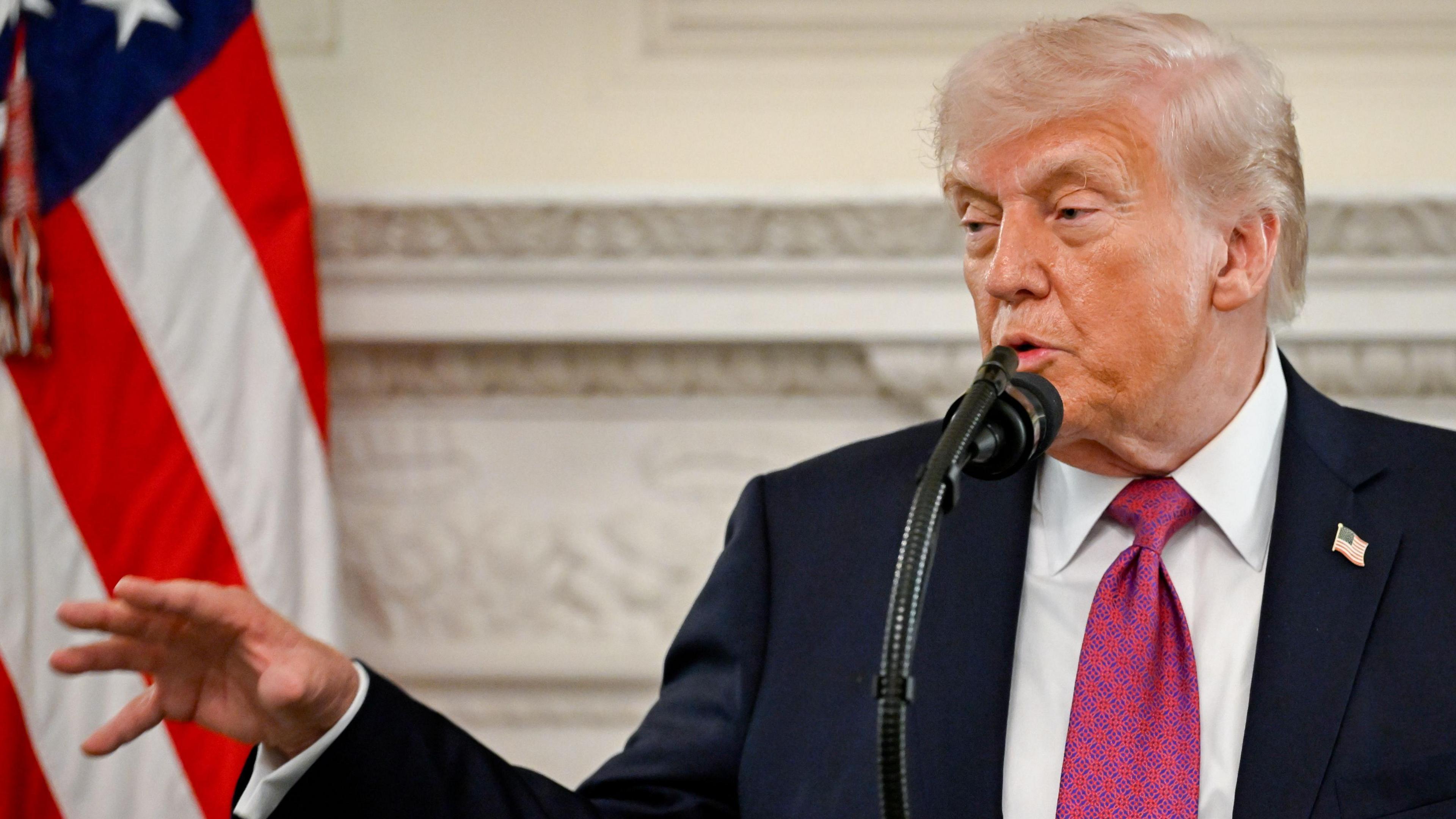
Washington: US President Donald Trump has said he has not yet considered whether he would continue the ceasefire involving Iran, while also claiming the United States holds the advantage in negotiations.
Speaking to reporters, Trump said he was prepared to make a deal with “whoever is running the show” in Iran.
“They are fighting with each other, there’s tremendous infighting. They’re probably fighting for leadership in many cases. I think they’re fighting not to be leader because we knocked out two levels of leaders,” he said.
Trump added, “When they want they can call me. We have all the cards, we’ve won everything.”
Referring to ongoing negotiations, he said, “They gave us a paper that should’ve been better. And, interestingly, immediately when I cancelled it [envoy trip to Pakistan], within 10 minutes we got a new paper that was much better.”
“We talked about they will not have a nuclear weapon, very simple … They offered a lot, but not enough,” he added.
When asked whether he would continue the ceasefire, Trump replied, “I haven’t even thought about it.”
The remarks come as uncertainty remains over the future of the temporary truce and broader negotiations between Washington and Tehran.