RCB off ventilator but still in ICU, says Ajay Jadeja
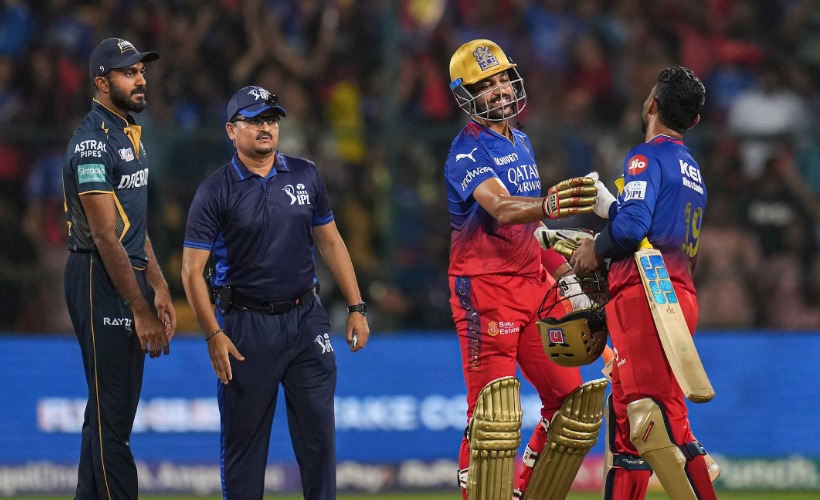
Bengaluru (PTI): Former India all-rounder Ajay Jadeja believes Royal Challengers Bengaluru bowlers have started to click together to take their side "off the ventilator" but the team still remains "in the ICU" following their nervy win over Gujarat Titans.
RCB got over the line with four wickets and 38 balls in hand chasing a paltry 148 against GT on Saturday, a win which was set up by the bowlers.
Faf du Plessis (64) and Virat Kohli (42) shared 92 runs inside the powerplay but RCB lost wickets in a heap — slipping from 92/0 to 117/6 — to give Gujarat a real hope of pulling off an unlikely win.
"The chinks in the armour are visible, what happened at the end. But the chance is there. They're off the ventilator but they're still in the ICU," Jadeja told Jio Cinema.
"We are excited about today's match after seeing Virat and Faf bat. But the real work that was done, was by the bowlers, an aspect RCB has historically struggled at.
"The bowling department has started to click for them now, and we're talking about the business end of the season, this is the point where realistic chances of winning comes from momentum…."
Jadeja said RCB may have got the momentum after their win which took them to the seventh spot in the IPL points table, but qualifying for the playoffs remains a "very tough ask".
“More than momentum, it's about the mentality of the team where you know if you're in a bad situation, someone will take you out of it... Today, it seemed like RCB picked the right road while Gujarat was on the other side. Who will reach their goal? It's a very tough ask still,” he said.
The former India cricketer, however, was impressed with RCB’s aggressive approach with the bat in a small chase.
“They came into the game differently from the start. I haven't checked the statistics, but I have never seen them start a game with a six. Not one, but two of them, in the first over, when there was no need,” he said.
“What Faf did, he was operating at a different pace. Later, there was some excitement in the match but at no point did it seem like this was (GT win) going to be successful,”
Let the Truth be known. If you read VB and like VB, please be a VB Supporter and Help us deliver the Truth to one and all.
No unannounced load shedding in Kerala, outages due to overload, says Minister
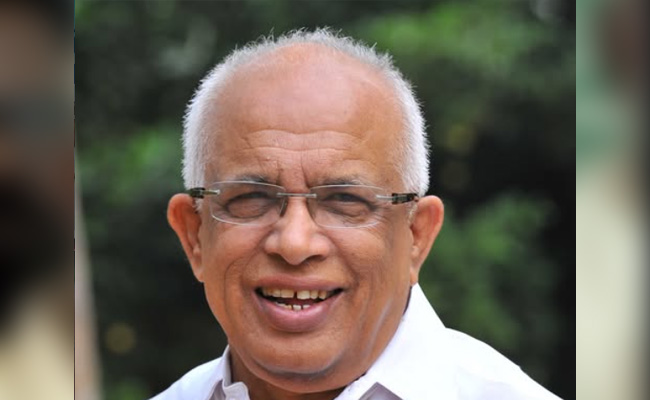
Palakkad (PTI): Kerala Electricity Minister K Krishnankutty on Saturday said there was no unannounced load shedding in the state, attributing recent power interruptions to temporary overload caused by high consumption.
Clarifying concerns raised from various parts of the state, the minister said the disruptions are not deliberate but occur when demand peaks, particularly between 10 pm and 11 pm.
"It is not being done intentionally. Power consumption has risen sharply, and when there is excessive and indiscriminate usage, the system experiences overload, leading to natural supply interruptions," he told reporters here.
His remarks come amid complaints that several areas have been witnessing frequent power cuts, often lasting around 15 minutes and occurring multiple times during the night.
Krishnankutty said the state's power demand has crossed 6,195 MW, putting pressure on the supply system. He added that around 70 per cent of Kerala's electricity is procured from outside, and existing power banking arrangements have been exhausted.
"We have approached the Regulatory Commission seeking permission to purchase more power. However, this will come at a higher cost," he said.
The minister said the government is trying to avoid increasing electricity tariffs and urged consumers to exercise restraint in usage to help manage the situation.
Responding to opposition criticism over the ruling LDF's earlier claims of a decade without power cuts, he said the current situation is not unique to Kerala.
A power crisis is emerging across the country, he said, and sarcastically asked the Opposition to take note of the role of natural factors in this.
Krishnankutty expressed confidence that the situation would improve within two days, while cautioning that long-term energy security would depend on enhancing in-state power generation.
He also warned that future generations could face serious challenges if adequate electricity production capacity is not developed within Kerala.