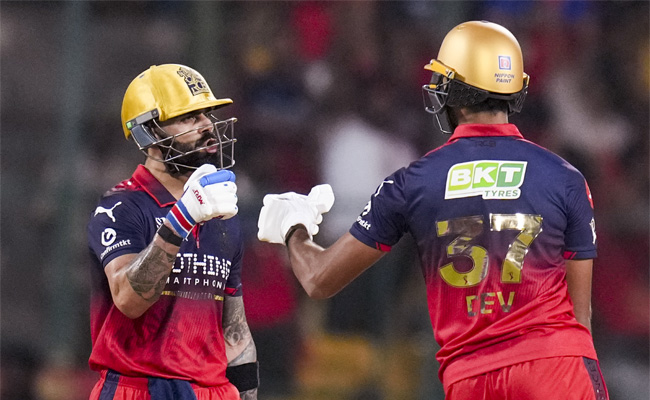
Rohit, Kuldeep guide India to unprecedented series win in South Africa
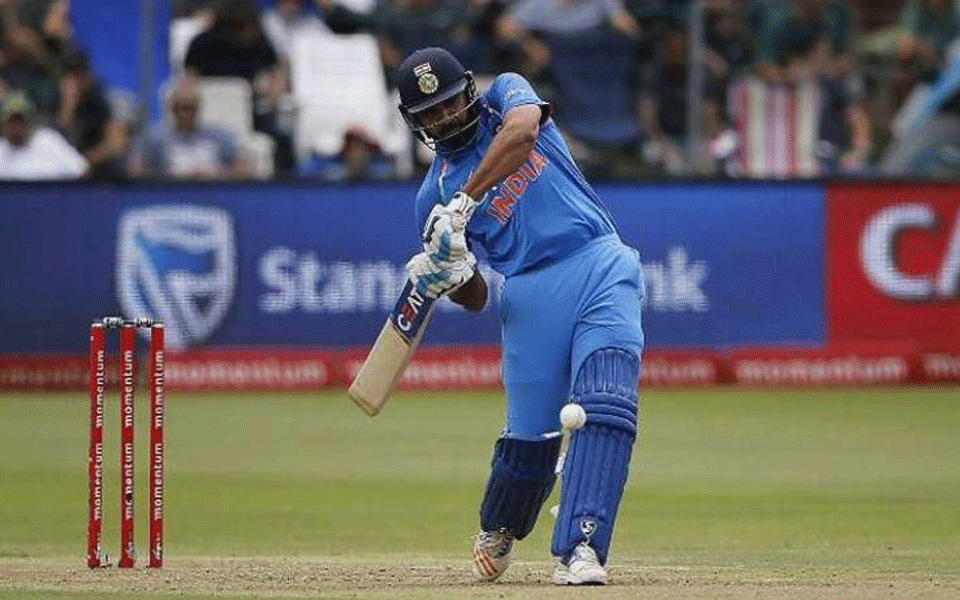
Port Elizabeth: India clinched their maiden ODI series win on South African soil, taking an unbeatable 4-1 lead after outclassing the hosts by 73 runs in the fifth One-Day International (ODI) at the St. George's Park here on Tuesday.
Opener Rohit Sharma led the tourists striking his 17th ODI century before chinaman Kuldeep Yadav returned figures of 4/51 to bowl the Proteas out for 201, in their chase of 274.
The Proteas started off fluently with skipper Aiden Markram (32) and Hashim Amla (71) putting on 52 runs in the first powerplay before first change seamer Hardik Pandya struck thrice in quick succession.
Pandya first removed Markram caught by skipper Virat Kohli at mid-off before inducing Jean Paul Duminy (1) to edge a length delivery off to Rohit at first slip. He then struck again after a couple of overs with the wicket of dangerman AB de Villers (6) caught behind by Mahendra Singh Dhoni.
Struggling at 65/3, David Miller (36) came to South Africa's rescue, forging a 62-run fourth wicket stand with Amla, before leg-spinner Yuzvendra Chahal brought the tourists back into the game with the wicket of the southpaw.
Despite losing his partners Amla, meanwhile, continued to fight a lone battle, reaching his 35th ODI fifty, his first in 13 innings even as he entered the milestone of 7,500 runs in 50-over cricket. But the joy was shortlived for the Proteas, with Pandya showing his magic in the field this time with a brilliant direct throw to dismiss Amla.
Chinaman Kuldeep Yadav soon joined the party dismissing any chances of a South African comeback with the wickets of Andile Phehlukwayo (0), Kagiso Rabada (3), Heinrich Klaasen (39) and Tabraiz Shamsi (0) to reduce the hosts from 166/5 to 197/9. Chahal then came back to trap last man Morne Morkel (1) as the visitors erupted in joy.
Earlier, India rode on Rohit's 126-ball 115, laced with 11 boundaries and four sixes to post 274/7 even after the lower order failed to capitalize on the brilliant start. Rohit became the fourth highest century scorer in ODIs for India, after Sachin Tendulkar (49), Virat Kohli (34) and Sourav Ganguly (22).
For South Africa, Lungisani Ngidi was the pick of the bowlers returning figures of 4/51 while Kagiso Rabada picked up a wicket. Asked to bat, openers Shikhar Dhawan (34) and Rohit got India off to a decent start before the former was removed by Rabada. Rohit, who struggled to score in all the four previous games similarly started his innings.
However, a boundary and a hit over the fence in back-to-back overs set the momentum for the Mumbai batsman, who did not look back. Rohit, however, was involved in two unfortunate run-outs -- first with skipper Virat Kohli (36) after sharing a 105-run second wicket stand and then Ajinkya Rahane (8), who fell victim to Rohit's mistimed call.
Despite that, the Mumbaikar continued his flow of runs to bring up his century in the 36th over after he got a lucky escape batting on 96 being dropped by Tabraiz Shamsi. Incoming batsman Shreyas Iyer (30) played the perfect second fiddle to Rohit, engaging in a 60-run fourth wicket stand before Ngidi struck with the wicket of the centurion.
Ngidi continued his magic spell, scalping Hardik Pandya (0) next ball before former captain Mahendra Singh Dhoni walked into the middle. But Ngidi kept intimidating the Indians and was successful in seeing the back of Iyer before packing back Dhoni for 13 runs even as Bhuvneshwar Kumar (19 not out) contributed some essential runs to help the team to a healthy total.
Brief scores: India 274/7 (Rohit Sharma 115, Virat Kohli 36, Shikhar Dhawan 34; Lungisani Ngidi 3/35) beat South Africa 201 (Hashim Amla 71, Heinrich Klaasen 39, Kuldeep Yadav 4/51, Hardik Pandya 2/30) by 73 runs.
Let the Truth be known. If you read VB and like VB, please be a VB Supporter and Help us deliver the Truth to one and all.
Allahabad HC orders probe into 'reinstatement' of teacher in UP's Barabanki
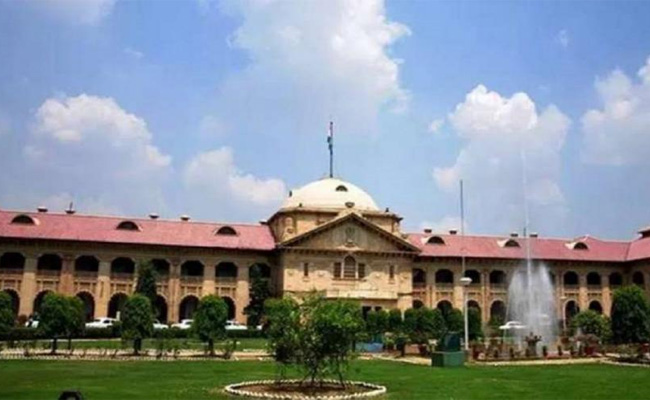
Lucknow (PTI): The Lucknow Bench of the Allahabad High Court on Friday ordered a probe by the special task force (STF) into alleged irregularities in the rejoining of a teacher at City Intermediate College in Barabanki, observing that the reinstatement appeared to be prima facie illegal.
The court also directed the recovery of the salary paid to the teacher during the disputed period.
A bench of Justice Rajeev Singh passed the order on a petition filed by the college management committee. The court expressed doubts over the roles of the District Inspector of Schools (DIOS), Barabanki, the college principal and the teacher concerned and hence, directed a detailed inquiry into the matter.
Taking note of alleged manipulation of records and misleading submissions, the court ordered the immediate transfer of the Barabanki DIOS to ensure a fair probe. It also directed the initiation of disciplinary proceedings against the then joint director of education of the Ayodhya division.
In its order, the court found that the teacher, Abhay Kumar, was initially appointed as an assistant teacher in 2018 but joined an Eklavya Model Residential School in Chhattisgarh as a lecturer in June 2024 without obtaining permission from the management. His subsequent request to retain the lien was rejected.
Despite this, he was allowed to rejoin the Barabanki College in September 2025 on the directions of the joint director of education and the DIOS, and was even paid the salary for October 2025. The court termed the rejoining "wholly illegal" and lacking any legal basis.
The bench also expressed concern over lapses in communication within the education department and directed the Uttar Pradesh chief secretary to ensure that official orders are communicated through email and WhatsApp as well, to prevent disputes.
The matter is next listed for hearing on May 28 when a compliance report is sought.