Rohit Sharma lashes out at IPL broadcasters for breaching privacy
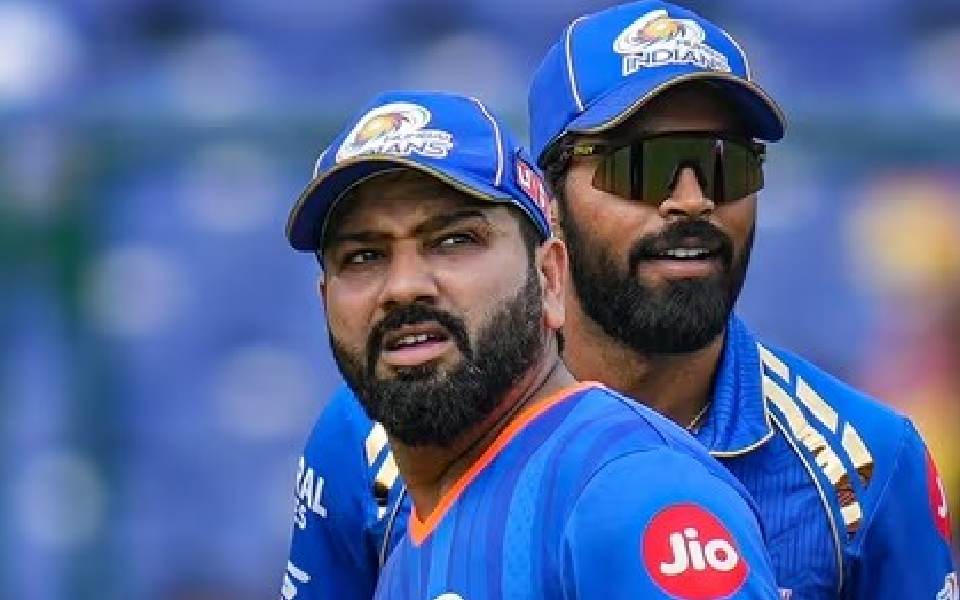
New Delhi, May 19: India skipper Rohit Sharma on Sunday lashed out at the IPL broadcasters for "breaching" cricketers' privacy by recording their conversations with friends and colleagues at training and on match days and then telecasting the contents.
Rohit expressed his disappointment after a video involving him and Kolkata Knight Riders assistant coach Abhishek Nayar, in which the former is seen contemplating his future at the Mumbai Indians, went viral.
"The lives of cricketers have become so intrusive that cameras are now recording every step and conversation we are having in privacy with our friends and colleagues, at training or on match days," Rohit posted on X.
He added, "Despite asking Star Sports to not record my conversation, it was and was also then played on air, which is a breach of privacy."
"The need to get exclusive content and focused only on views and engagement will one day break the trust between the fans, cricketers and cricket. Let better sense prevail."
Rohit was seen making a request to the broadcasters to shut down the audio while recording him after his chat with Nayar. The conversation between the two took place after MI's IPL fixture against KKR on May 11.
The audio of the chat was posted by KKR on their social media handle and fans assumed that the cricketer is speaking about leaving MI after the ongoing season.
Following the controversy, the video was taken down by the Knight Riders' social media team.
Few days after that, on May 17, Rohit was once again seen having a chat with Dhawal Kulkarni ahead of MI's fixture against Lucknow Super Giants. Seeing himself being recorded, the opener, with folded hands, requested the broadcaster to turn off the audio as one audio has already got him into trouble.
"Bhai audio band karo haan, already ek audio ne mera waat laga diya (Brother please close the audio, one audio has already made things difficult for me)," said Sharma in the video that also went viral.
Let the Truth be known. If you read VB and like VB, please be a VB Supporter and Help us deliver the Truth to one and all.
3 killed, 15 injured in fire after blast at firecracker unit in MP's Dewas; CM orders probe
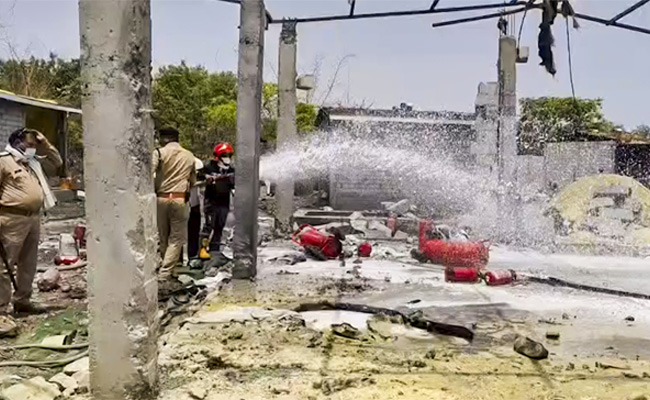
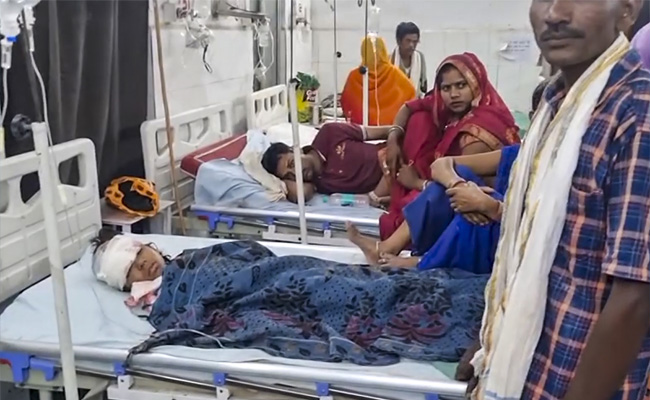
Dewas/Indore (PTI): At least three workers were killed and 15 persons injured after a fire broke out following an explosion at a firecracker factory in Madhya Pradesh's Dewas district on Thursday, an official said.
Chief Minister Mohan Yadav expressed grief over the incident and ordered an investigation. The state government will provide an assistance of Rs 4 lakh to the kin of each of the deceased, and the injured will receive free treatment, he said in a post on X.
Three persons were killed in the fire at the firecracker unit located in Tonk Kalan area, and around 15 injured persons were sent to hospitals in Indore and Dewas, Collector Rituraj Singh told reporters after inspecting the site.
Videos of the aftermath surfaced on social media, showing thick white smoke billowing from the factory along the Agra–Mumbai national highway. The clips also showed people rushing the injured for treatment amid cries for help, with body parts seen scattered at the site.
The collector said the fire has been brought under control. The administration has taken possession of explosives stored at another location within the unit, he said.
The work to manufacture small firecrackers at the factory of a person named Anil Malviya had begun only 15 days ago, and a licence has been issued for the unit, the collector said.
A detailed investigation is underway into the incident, he added.
CM Yadav said, "I have directed Deputy Chief Minister and Dewas district guardian minister Jagdish Devda, the home secretary and senior officials to visit the spot. An inquiry has also been ordered into the incident."
Local residents said there was a massive explosion at the factory, and the victims' body parts were found scattered far away from the site.
They said construction work was underway at the site and different sheds were being built there.