South Africa beat India by 30 runs in first Test at Kolkata
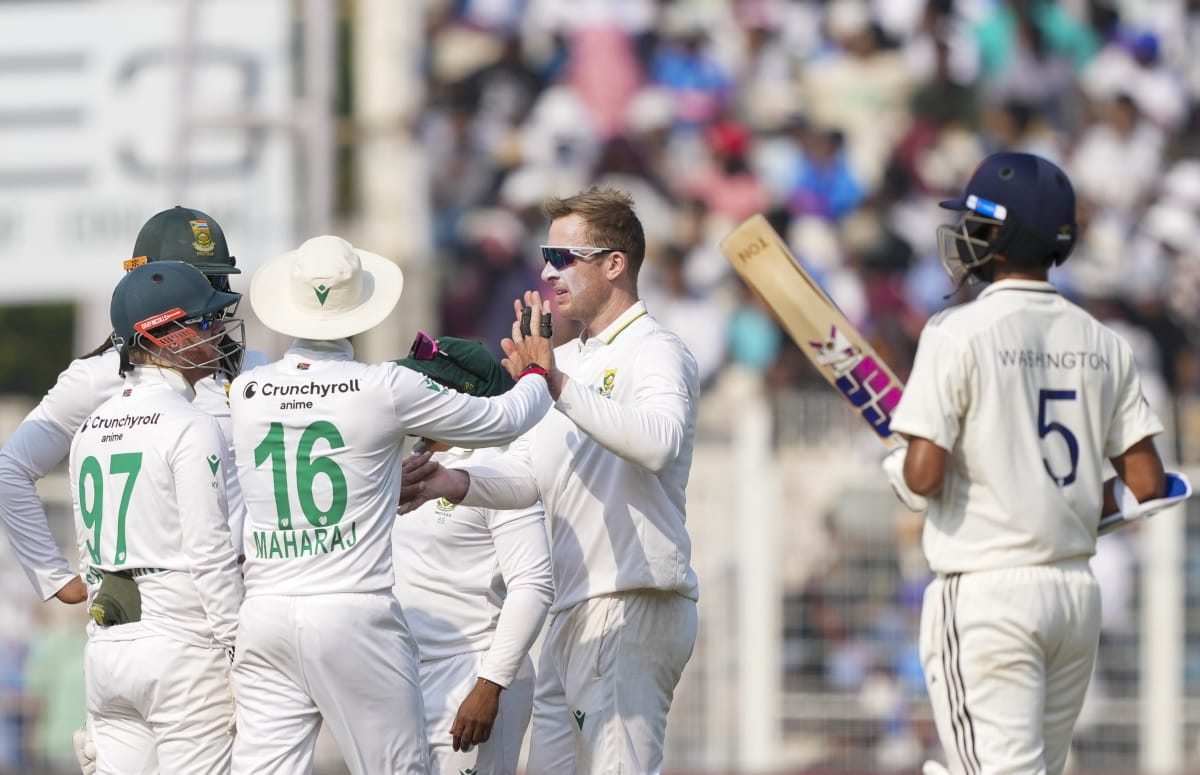
Kolkata (PTI): Off-spinner Simon Harmer led with a four-wicket haul as South Africa defeated India by 30 runs in the first Test here on Sunday to take an unassailable 1-0 lead in the two-match series.
The second Test will be played in Guwahati from November 22-26. It was SA's first Test win in India in 15 years.
India were bowled out for 93/9 with skipper Shubman Gill declared unavailable to take part in the remainder of the match with a neck injury, in the chase of 124 to win on the third day of the first Test.
Simon Harmer took 4/21 while Marco Jansen returned 7-3-15-2.
Washington Sundar made a valiant 31 off 92 balls but India’s response was meek on a pitch which favoured bowlers.
Brief scores: South Africa 159 & 153 beat India: 189 and 93/9 in 35 overs (Washington Sundar 31; Marco Jansen 2/15, Simon Harmer 4/21) by 30 runs.
Let the Truth be known. If you read VB and like VB, please be a VB Supporter and Help us deliver the Truth to one and all.
CBI registers fresh case against Reliance Communications, Anil Ambani
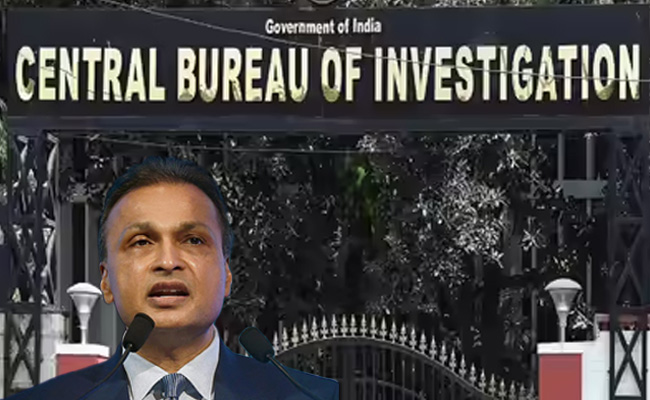
New Delhi (PTI): The CBI on Wednesday registered a fresh case against industrialist Anil Ambani and Reliance Communications Ltd for allegedly causing a loss of Rs 3,750 crore to Life Insurance Corporation (LIC) of India, officials said.
The CBI has filed the case for the alleged offences of conspiracy, cheating and misappropriation and under the provisions of the Prevention of Corruption Act on a complaint from the LIC, making it the fourth case against the company and Anil Ambani, they said.
The agency has alleged that LIC was fraudulently induced to subscribe to Non Convertible Debentures (NCDs) worth Rs. 4500 crore between 2009 and 2012 on the basis of false representations made by Reliance Communications Ltd. and its management regarding the financial health of the company, and security and asset cover offered to LIC while subscribing to the NCDs.
The insurer suffered a loss of over Rs 3,750 crore and ordered a forensic audit against the company.
The forensic audit report dated October 15, 2020, conducted by BDO India LLP, reported that RCOM and its management had resorted to misutilisation of funds raised from banks and financial institutions, routing of funds through subsidiaries, misuse of sale invoice financing, discounting of fictitious bills, systematic siphoning of funds through inter-company deposits/shell related entities, creating and write-off of fictitious debtors and receivables and gross overstatement of security.
It said there was a mismatch between the charges and the assets.