Spot-on MI bowlers restrict RCB to 131/6 in WPL
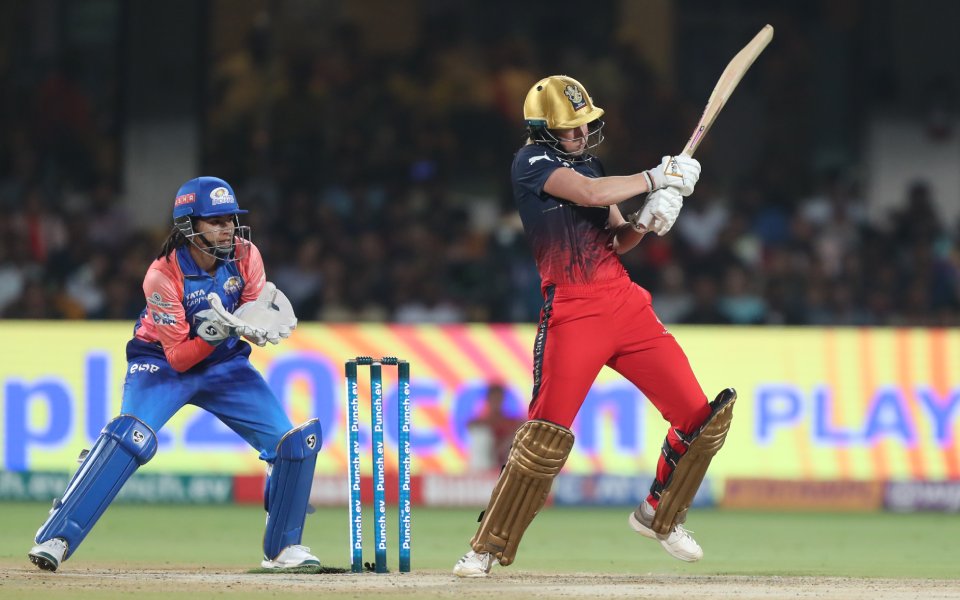
Bengaluru, Mar 2: Royal Challengers Bangalore batters struggled to force pace against an efficient group of Mumbai Indians bowlers, settling for 131 for six in their Women's Premier League match here on Saturday.
RCB would have been in deeper trouble had Elysse Perry (44 not out, 38b, 5x4) and Georgia Wareham (27, 20b, 3x4) not added 52 runs for the sixth wicket after MI decided to bowl first.
Mumbai were without their regular skipper Harmanpreet Kaur and premier pacer Shabnim Ismail, who have been nursing injuries, for the second match on the trot, but that did not affect their intensity on the field.
The RCB top-order batters did not have the required amount of patience to weather the storm when the MI bowlers struck a fine line early on.
Skipper Smriti Mandhana (9, 11 balls) grew impatient and looked to smash pacer Issy Wong out of park. But the shot neither had power nor timing as Nat-Sciver Brunt completed a simple catch inside the circle.
It was a similar case with some other RCB top-order batters such as Richa Ghosh and S Meghana who tried to break the shackles by force, not the best approach when the bowlers are on top.
Ghosh fell to pacer Pooja Vastrakar, drilling a drive straight to Sanjana Sajeevan to mid-off, and Meghana's weak pull off Brunt ended in the hands of Keerthana Balakrishnan near backward square leg.
But Perry showed how to score runs here, selecting her balls to perfection to punish the bowlers. She pulled and cut Amelia Kerr for boundaries in successive balls when the leg-spinner erred in her length.
She found an able ally in Wareham, who complemented Perry with good rotation of strike and occasional hits to the fence.
Let the Truth be known. If you read VB and like VB, please be a VB Supporter and Help us deliver the Truth to one and all.
Shaheen Group announces free education for SSLC toppers scoring 95% and above
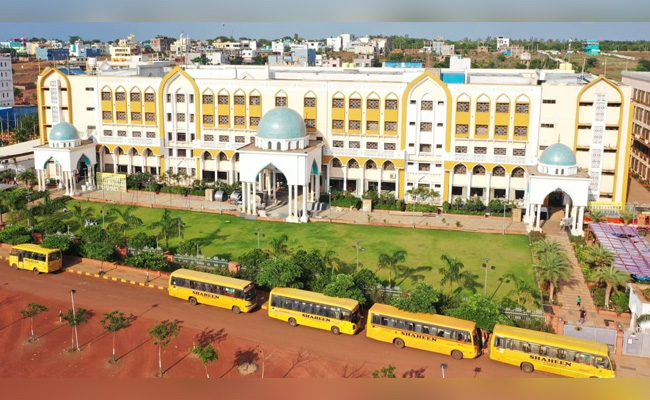
Bidar: Shaheen Group of Institutions has announced free education for students across Karnataka who have secured 95 per cent and above marks in the SSLC examinations.
The announcement was made by Dr. Abdul Qadeer, Chairman of the institution, as part of an initiative aimed at encouraging academic excellence and supporting deserving students.
According to the institution, eligible students from across the state will be provided free education for both First Year and Second Year PUC at Shaheen institutions.
The initiative is expected to benefit a large number of meritorious students by helping them continue higher education without financial burden.
In addition, Dr. Abdul Qadeer announced special scholarships for Kannada medium students and those studying in government schools, recognising their efforts and encouraging them to pursue further studies.
Speaking on the occasion, he said the initiative reflects Shaheen’s continued commitment to inclusive education and merit-based support, ensuring that talented students from all backgrounds receive opportunities to progress.