SRH qualifies for IPL playoff after rain washes out match against GT
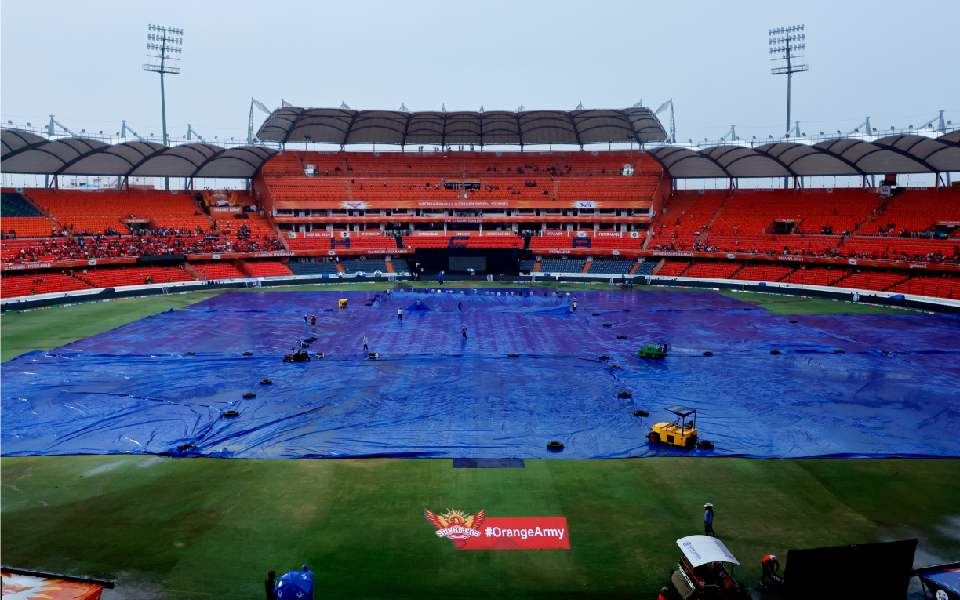
Hyderabad, May 16: Sunrisers Hyderabad on Thursday qualified for the Indian Premier League play-offs after rain washed out their IPL match against Gujarat Titans here without a ball being bowled.
SRH thus became the third team to make the cut after following Kolkata Knight Riders and Rajasthan Royals, who are currently occupying the top two places in the standings.
The Sunrisers received one point to take their tally to 15 points with one match to go. They will face Punjab Kings, who have already been eliminated, on May 19 in their last league assignment.
GT, the last year's runners-up and 2022 champions, were knocked out of the play-off race after their previous match was also abandoned due to rain. They thus end the season with 12 points from 14 matches.
The toss didn't happen at scheduled time of 7 pm due to rain and wet outfield. The rain intensified before settling into a steady shower as the covers and outfield stayed covered.
The cut-off time for a five-over game was 10:56 PM, which meant the drizzle needed to stop for mop-up to begin by around 10:15pm but with rain showing no signs of abating, the official decided to abandon the match.
It is the second game to be called off in this IPL, because of rain and wet outfield.
Four teams -- Chennai Super Kings (14), Royal Challengers Bengaluru (12), Delhi Capitals (14) and Lucknow Super Giants (12) -- are still in fray for the battle for the last spot.
If LSG win against Mumbai Indians on Friday, they will move to 14 points to stay mathematically alive but CSK will seal the spot if they beat RCB or the game is washed out on Saturday.
If RCB beat CSK by at least 18 runs or 11 balls to spare then they will grab the fourth available spot on the basis of net run-rate as they would be on 14 points, same as DC, CSK and LSG (if they win).
𝙎𝙪𝙣𝙧𝙞𝙨𝙚𝙧𝙨 𝙃𝙮𝙙𝙚𝙧𝙖𝙗𝙖𝙙 are through to #TATAIPL 2024 Playoffs 🧡
— IndianPremierLeague (@IPL) May 16, 2024
Which will be the final team to qualify 🤔#TATAIPL | #SRHvGT | @SunRisers pic.twitter.com/6Z7h5kiI4o
Let the Truth be known. If you read VB and like VB, please be a VB Supporter and Help us deliver the Truth to one and all.
Madhu Kishwar booked over misleading content on social media
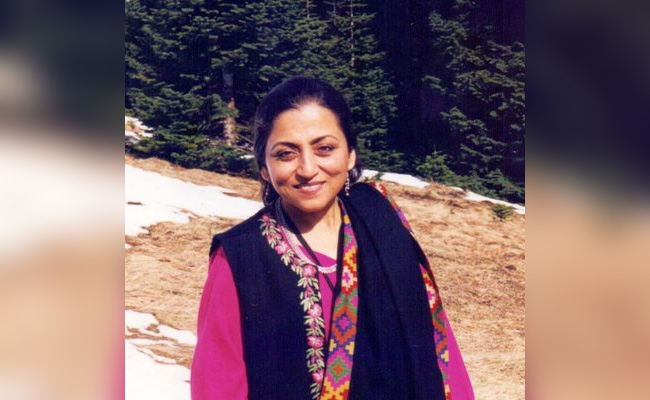
Chandigarh (PTI): Madhu Kishwar has been booked following a complaint by a Chandigarh resident over the alleged circulation of forged and misleading content on social media.
An FIR has been lodged against Kishwar and some other social media users under relevant sections, including 196 (criminalises acts that promote enmity, hatred, or ill-will between groups based on religion, race, language), 336 (1) (forgery) and 356 (criminal defamation) of Bharatiya Nyaya Sanhita and the IT Act at Police Station Sector-26 here.
According to an official statement issued by the Chandigarh police on Monday, a city-based complainant on April 19 alleged that some forged and misleading social media posts and video clips with obscene text and content were being circulated by various social media users, misidentifying the person in the video.
Further investigation into the matter is underway.
As per the complainant, it is a deliberate act of creating a false electronic record using obscene words and phrases, having knowledge and sufficient reason to believe that the posts are misleading and false, with the intent to cause damage or injury.
The video, which circulated with the intent to cause harm to the reputation of a constitutional authority and to disturb public peace and tranquility, should be investigated, and appropriate action should be taken, according to the complainant.
As per the complainant, the person seen in the video is a travel vlogger whose wife regularly posts updates about their activities on social media. The original video was shared from her social media account.
"As per the statement of the woman, she disclosed that the person in the video shared from her account is her husband. Statements of her husband and another lady in the video have also been recorded during preliminary investigation," said police in the statement.
Meanwhile, Kishwar, in a social media post, said a team of Chandigarh police had visited her late Monday night to serve her notice regarding the FIR registered against her.
"Since the law forbids the police to visit or arrest women after dark and before sunrise, I spoke on phone to the leader of the delegation. She told me that their team has come to serve notice regarding an FIR registered against me in Chandigarh. I insisted that they go by the law and come in the morning," she wrote on X.