Sri Lanka thrash India by 8 wickets to win Women’s T20 Asia Cup
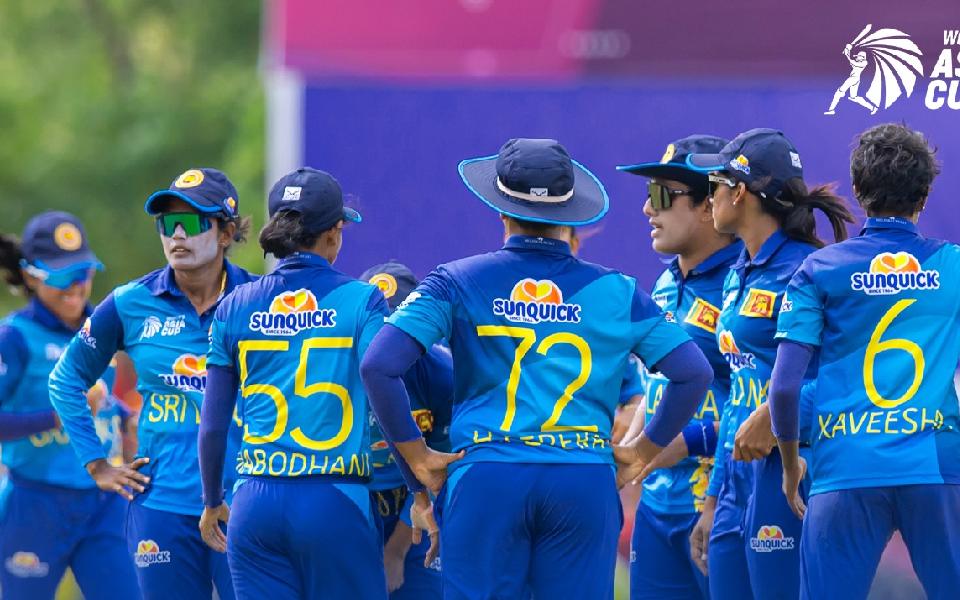
Dambulla, Jul 28: Chamari Athapaththu (61) and Harshitha Samarawickrama (69 not out) shone brightly as Sri Lanka thrashed India by eight wickets to win their first ever Women’s T20 Asia Cup title here on Sunday.
Chasing 166, Sri Lanka showed no qualms in knocking off the target in 18.4 overs to score 167/2 and win with eight balls to spare.
Skipper Athapaththu led from the front with a 43-ball 61 with nine fours and two sixes and Harshitha made 69 not out from 51 balls with six fours and two sixes.
Earlier, India made 165/6 in their 20 overs after Smriti Mandhana hit a 47-ball 60 and Richa Ghosh provided late fireworks with a rapid 30.
Brief Scores:
India 165/6 in 20 overs (Smriti Mandhana 60, Jemimah Rodgrigues 29, Richa Ghosh 30; Kavisha Dilhari 2/36).
Sri Lanka 167/2 in 18.4 overs (Chamari Athapaththu 61, Harshitha Samarawickrama 69*, Kavisha Dilhari 30*; Deepti Sharma 1/30).
Let the Truth be known. If you read VB and like VB, please be a VB Supporter and Help us deliver the Truth to one and all.
Lebanon appoints new representative for talks with Israel, rejects linkage to Iran
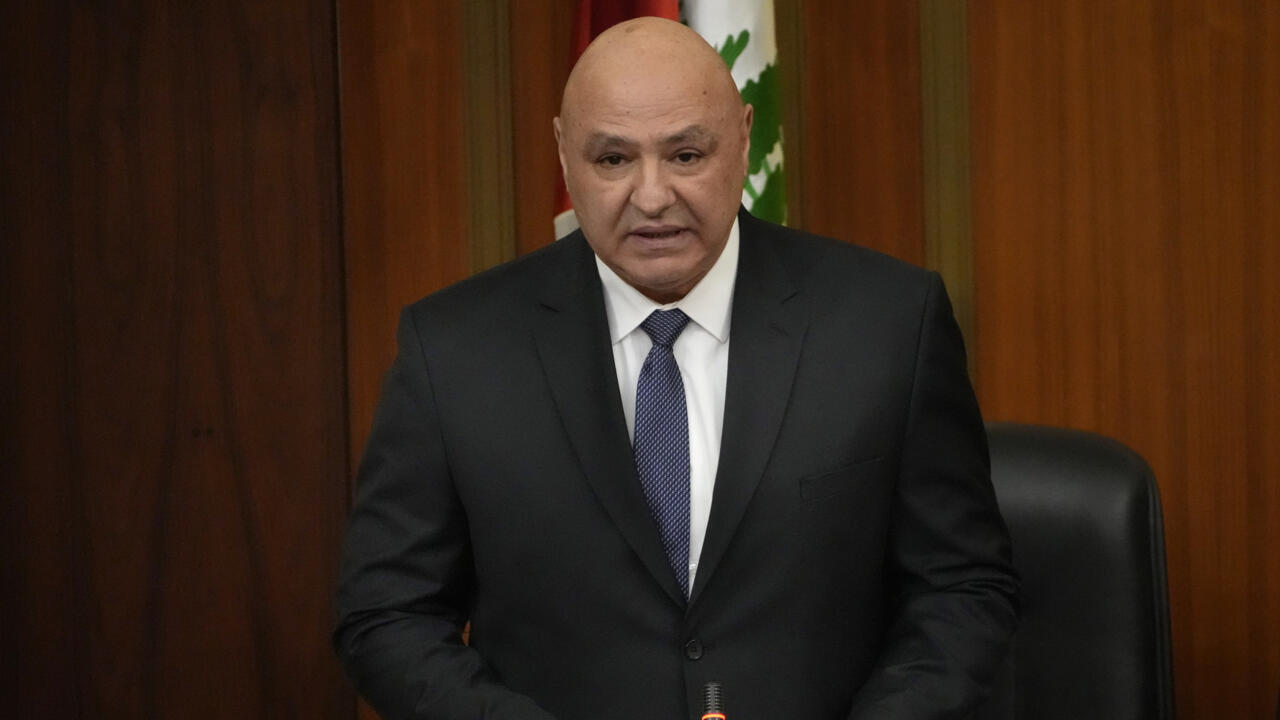
Beirut: Lebanon’s has moved to underline its independent position in ongoing regional developments, amid attempts to link the country to the broader conflict involving Iran, the United States and Israel.
President Joseph Aoun, while announcing the appointment of former US ambassador Simon Karam as Lebanon’s representative in talks with Israel, made it clear that Karam would be the sole representative for Lebanon and that there would be no substitute.
The move comes in response to what the Lebanese officials see as efforts by Iran to tie Lebanon’s situation to the wider regional conflict. Iran had indicated that there would be no ceasefire involving the US, Israel and Iran unless it also included a ceasefire in Lebanon.
Some groups, including Hezbollah and its supporters, had expressed support for linking the situations, citing concerns that the Lebanese government has limited leverage in negotiations with Israel. Lebanon is not formally a party to the conflict, and its army is considered weak.
However, others, including Prime Minister Nawaf Salam, have opposed this approach. They view Iran’s stance as an attempt to influence Lebanon’s internal affairs and see it as undermining the country’s sovereignty.
Officials backing the government’s position say the move is aimed at reaffirming Lebanon’s sovereignty and ensuring that decisions about peace and ceasefire within the country are not dictated externally.
They also see it as a safeguard, so that any breakdown in talks between the US, Israel and Iran does not automatically lead to renewed conflict in Lebanon.