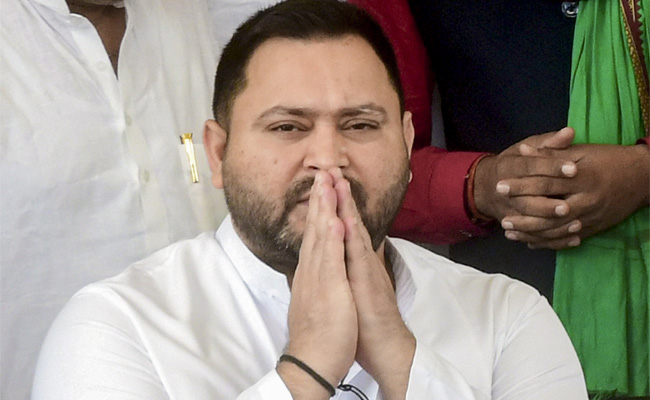
Sunil Gavaskar creates controversy after Kohli's off day, Anushka Sharma calls it 'distasteful'

Dubai: The legendary Sunil Gavaskar on Friday found himself in the midst of a controversy for making an unsavoury comment against Virat Kohli and his wife Anushka Sharma after the Indian captain's forgettable outing in the IPL.
Reacting to what she termed a "distasteful message" by Gavaskar, Sharma sought an explanation from the former India captain.
After dropping two catches, Kohli, undoubtedly one of the best when it comes to chases, failed with the bat, managing just a run off five balls against Kings XI Punjab here on Thursday night.
In the commentary box, Gavaskar came up with a shocking comment involving Kohli's actor wife Anushka.
The remark was in bad taste and did not go down well with the RCB skipper's fans, with some of them urging the BCCI to remove Gavaskar from the commentary panel.
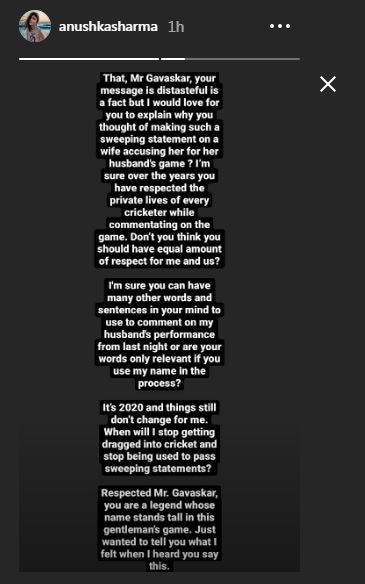
Sharma reacted to it by putting a statement on her Instagram page. She wrote, "That, Mr Gavaskar, your message is distasteful is a fact but I would love for you to explain why you thought of making such a sweeping statement on a wife accusing her for her husband's game?."
"I am sure over the years you have respected the private lives of every cricketer while commentating on the game. Don't you think you should have equal amount of respect for me and us?"
"I am sure you can have many words and sentences in your mind to use to comment on my husband's performance from last night or are your words only relevant if you use my name in the process?"
Over the years, on quite a few instances the Bollywood actress has been blamed whenever her high-profile cricketer husband under-performed on the field, and she rued that fact.
Sharma added, "It's 2020 and things still don't change for me. When will I stop getting dragged into cricket and stop being used to pass sweeping statements?
"Respected Mr. Gavaskar, you are a legend whose name stands tall in this gentleman's game. Just wanted to tell you what I felt when I heard you say this."
The Indian batting mainstay had a forgettable outing at the Dubai International Stadium.
Kohli dropped his KXIP counterpart KL Rahul twice -- once in the 17th over at deep square-leg when he was batting on 83 and then again in the 18th over when he was on 89.
The KXIP skipper then went on to shatter a few record on the way to a 69-ball 132 -- the highest scored by an Indian in an IPL game.
Let the Truth be known. If you read VB and like VB, please be a VB Supporter and Help us deliver the Truth to one and all.
Karnataka School Edu Dept prohibits children from being made to dance to obscene songs
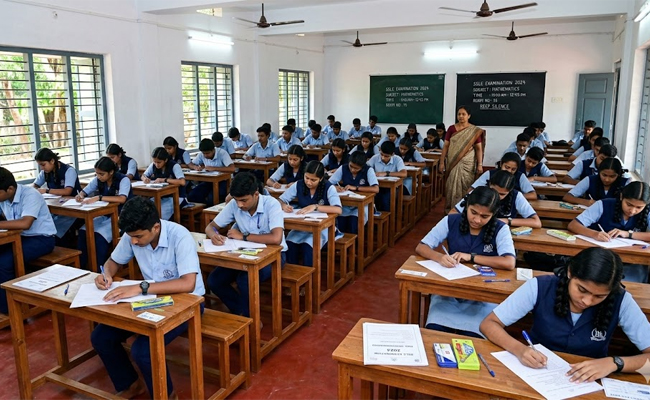
Bengaluru (PTI): The Karnataka School Education Department has issued a circular strictly prohibiting children from being made to dance to obscene songs in educational and cultural programmes.
It stated that such dances would negatively impact students' mental health and moral values. It will create indiscipline and harm the sanctity of education.
"All the Deputy Directors (Administration) of the state's School Education Department have been asked to take strict measures to prevent children or students from dancing to obscene songs in all government, aided and unaided schools in the state," the office of the commissioner of the School Education Department said in a recent circular.
"If it is found that children are being made to dance to obscene songs, appropriate action will be taken against the headmaster or management of such school," it added.
The department also listed certain measures in this regard, which include: strictly prohibiting children from being made to dance to obscene songs during educational and cultural programmes; selecting songs that are inspiring, positive, instilling national pride in children and reflecting the greatness, dignity, values, culture, and morality of the state.
Stating that the school headmaster and management are responsible for selecting songs and dances for cultural programmes, it said, they should also ensure that students wear decent clothes in dance or cultural programmes.