Taliban bans IPL broadcast in Afghanistan
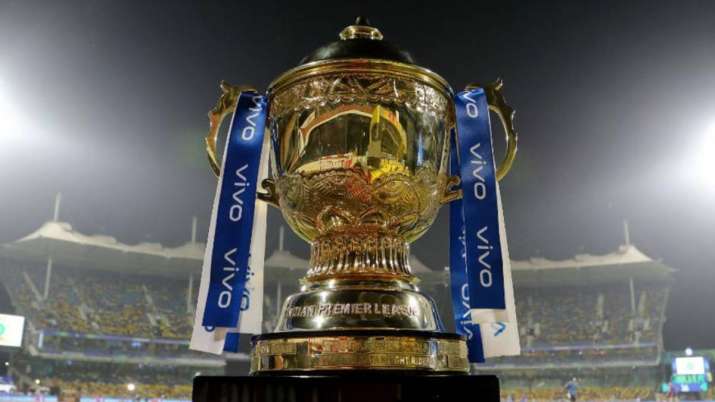
New Delhi, Sep 21: The Taliban-ruled Afghanistan has banned the broadcast of the hugely popular Indian Premier League (IPL) in the country over the presence of "female audience and spectators" in stadiums.
Former Afghanistan Cricket Board (ACB) media manager and journalist M Ibrahim Momand said the live broadcast of IPL matches was banned due to possible "anti-Islamic" content.
"Afghanistan national (TV) will not broadcast the @IPL as usual as it was reportedly banned to live the matches resumed tonight due to possible anti-islam contents, girls dancing & the attendance of barred (sic) hair women in the (stadium) by Islamic Emirates of the Taliban," Momand had tweeted on Sunday when the IPL action resumed.
Another journalist Fawad Aman, who has also served as the spokesperson of the Ministry of Defence as per his Twitter handle, wrote, "Ridiculous: Taliban have banned the broadcasting of Indian Premier League (IPL) in Afghanistan."
"Taliban have warned that Afghan media outlets should not broadcast the Indian Cricket League due to girls dancing and the presence of female audience and spectators in stadiums."
Top Afghanistan cricketers like Rashid Khan, Mohammad Nabi and Mujeeb ur Rahman are taking part in IPL 2021.
The second phase of the IPL resumed in the United Arab Emirates on Sunday with a match between Chennai Super Kings and defending champions Mumbai Indians.
According to a media report, Afghanistan's new sports chief last week said that the Taliban will allow 400 sports -- but declined to say anything on women's participation.
"Please don't ask more questions about women," he was quoted as saying.
During the extremist group's regime from 1996 to 2001, women were banned from playing any sport.
After taking over the country last month, the group has stressed that women's rights would be respected within the framework of Islam.
The knockout stage is scheduled to begin on October 10 with the final slated to be held on October 15.
Afghanistan national 📻 📺 will not broadcast the @IPL as usual as it was reportedly banned to live the matches resumed tonight due to possible anti-islam contents, girls dancing & the attendence of barred hair women in the 🏟️ by Islamic Emirates of the Taliban. #CSKvMI pic.twitter.com/dmPZ3rrKn6
— M.ibrahim Momand (@IbrahimReporter) September 19, 2021
Let the Truth be known. If you read VB and like VB, please be a VB Supporter and Help us deliver the Truth to one and all.
4 held for sexually assaulting woman, girl on moving bus after social media alert in UP's Agra

Agra (UP) (PTI): Four people were arrested, after a prompt response by police following a social media alert, for allegedly sexually assaulting a woman and a girl inside a moving bus here, officials said on Tuesday.
According to an official police statement, at 12:27 am on April 27, information was received on the social media platform X about an incident of sexual assault on a bus travelling from Kanpur to Ahmedabad, which was approaching Namner crossing in Agra.
Acting under the direction of Police Commissioner Deepak Kumar, the Agra Police social media team immediately alerted the Rakabganj police station within minutes and coordinated with the victims to confirm the incident and obtain the exact location, it stated.
Police teams launched intensive checking at Namner crossing and intercepted the bus as it reached the spot. The four accused involved in the incident were apprehended on the spot, and legal action was initiated against them, the statement said.
The police said the swift response and coordination between the social media team and field units ensured timely action, bringing relief to the victims and other passengers, who expressed gratitude towards the police, it added.