UAE set to decline PCB request to host PSL games
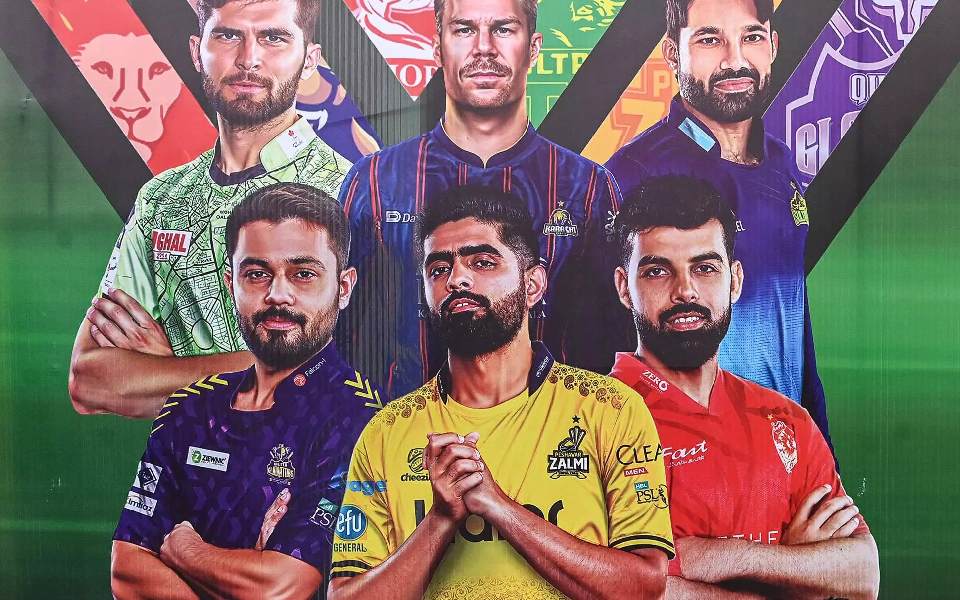
Dubai, May 9 (PTI): The PCB's plans to conduct the remaining Pakistan Super League matches in the UAE may not succeed as the Emirates Cricket Board is "unlikely to approve" its request due to the border tensions between India and Pakistan.
A source close to the developments in the Emirates Cricket Board (ECB) has indicated that the Board is set to reject the request from the Pakistan Cricket Board (PCB), which has already announced that the PSL would be held in the UAE.
The source has cited "security concerns potentially emanating from the rising tension between India and Pakistan."
It is learnt that the recent developments have made the Emirates Cricket Board "vary of being perceived as an ally of PCB", which it believes the act of hosting the PSL may suggest.
"The Emirates Cricket Board has enjoyed a strong relationship with BCCI in recent years having hosted the 'India' edition of the ICC T20 World Cup 2021, editions of the IPL as well as India matches during ICC Champions Trophy 2025," the source further stated.
Dubai is also the headquarter of the International Cricket Council, which is currently headed by former BCCI secretary Jay Shah.
"The UAE has a diverse South Asian population which enjoys cricket. Hosting a tournament like the PSL in the midst of such tense circumstances could vitiate harmony, pose security risks and stir unnecessary friction between communities," the source said.
The PCB said early this morning that the last eight PSL fixtures, which were previously scheduled in Rawalpindi, Multan and Lahore, will now be staged in the UAE.
Schedule of matches, outlining the dates and venues, will be shared in due course, a statement said.
On Thursday, the PCB called off a scheduled match between Peshawar Zalmi and Karachi Kings at the Rawalpindi stadium.
India launched missile attacks on terror infrastructure in Pakistan and Pakistan Occupied Jammu and Kashmir a fortnight after the April 22 Pahalgam terror attack in which 26 people were killed.
Let the Truth be known. If you read VB and like VB, please be a VB Supporter and Help us deliver the Truth to one and all.
Centre spent Rs 76.13 lakh on print media ads for RSS centenary, reveals RTI
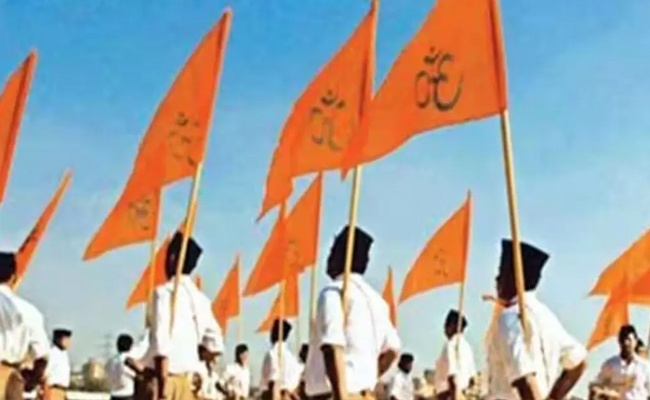
New Delhi: The Union Ministry of Culture allegedly spent Rs 76.13 lakh on print advertisements marking the 100-year celebrations of the Rashtriya Swayamsevak Sangh (RSS), according to a Right to Information (RTI) reply.
The information was sought by RTI activist Ajay Basudev Bose, who filed an application seeking details on expenditure incurred by the ministry for advertisements commemorating the RSS centenary.
Bose shared a picture of the reply from the ministry on his official ‘X’ handle.
“It is informed that an amount of Rs 76,13,129 has been spent on advertisement given in various print media by the Ministry of Culture on the occasion of the completion of 100 years of RSS,” the government’s reply stated.
RTI reply shows Min of Culture Govt of India spent a Whopping Rs 76L,13K,129 on Advertisement in Print Media on occasion of 100 yrs of #RSS
— AJAY Basudev Bose (@AjayBos93388306) April 16, 2026
When Everyone knows RSS is Not Registered & Does not Pay any Tax is it justified to spend Tax Payers Money on such Private event??@RSSorg… pic.twitter.com/dW4IUtdNCg
Bose questioned the expenditure in the post X, “when Everyone knows RSS is Not Registered & Does not Pay any Tax is it justified to spend Tax Payers Money on such Private event??”
Reacting to the development, Karnataka’s IT-BT and Panchayat Raj Minister Priyank Kharge also criticised the spending.
In a post on X, he asked why public money was being used for what he described as a “private ideological project.”
"Modi Sarkar spent Rs 76,13,129 of public money on newspaper advertisements to celebrate 100 years of the RSS. Why is Government spending taxpayers money on an unregistered, non-tax-paying organisation to celebrate their centenary?," he added.
Why is public money being used to serve a private ideological project?
— Priyank Kharge / ಪ್ರಿಯಾಂಕ್ ಖರ್ಗೆ (@PriyankKharge) April 16, 2026
Modi Sarkar spent ₹76,13,129 of public money on newspaper advertisements to celebrate 100 years of the RSS.
Why is Government spending taxpayers money on an unregistered, non-tax-paying organisation to… pic.twitter.com/EoZ6Pim3IM
According to reports, the RSS describes itself as a volunteer-based organisation and has stated that it functions as a body of individuals rather than a registered entity.
Founded by Keshav Baliram Hedgewar in 1925, the organisation is marking its centenary year beginning from Vijaydashami in 2025, with the milestone observed on October 2.