Women's cricket set to feature in 2022 Commonwealth Games
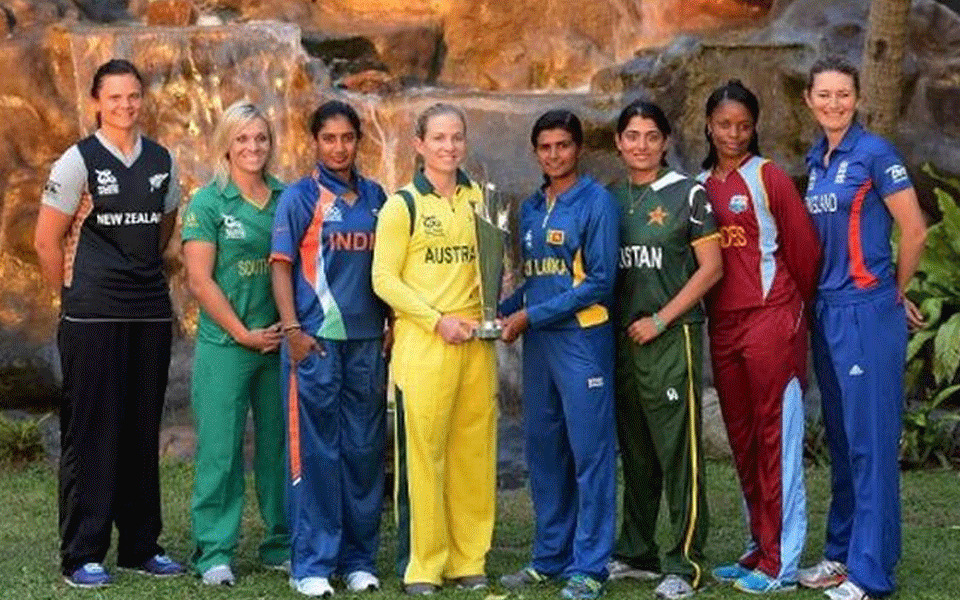
Birmingham, June 20: Women's cricket is set to be part of the Birmingham Commonwealth Games as the CGF Thursday nominated its inclusion in the 2022 edition.
The nomination was made at the Executive Board meeting of the Commonwealth Games Federation (CGF) in Birmingham.
The International Cricket Council (ICC) and England and Wales Cricket Board (ECB), which had submitted their bid in November, welcomed the decision.
"The decision, which needs to be ratified by CGF members, follows a comprehensive bidding process, where the ICC, in partnership with the ECB, presented the compelling case for women's cricket to become part of the Commonwealth Games sport programme," said the ICC in a release.
Cricket has made just one appearance at the CWG previously, with men playing in 1998 in Kuala Lumpur, where South Africa stood on top of the podium.
"The application for inclusion of women's cricket for Birmingham 2022 is part of the global ambition for cricket to inspire and empower women and girls around the world and to drive greater levels of inclusivity and opportunity throughout the sport," the statement added.
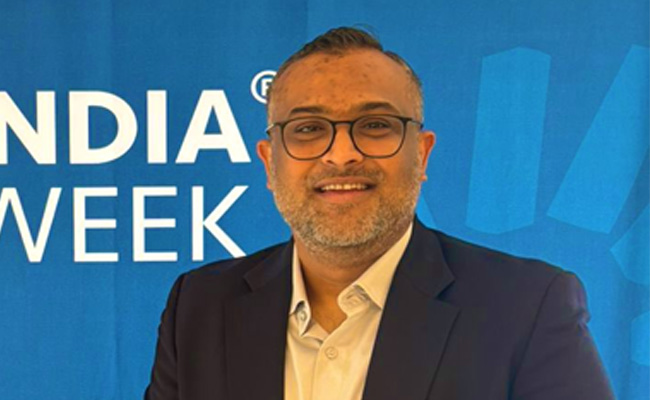
ICC Chief Executive Manu Sawhney was ecstatic.
"We are absolutely delighted that women's cricket has been nominated for inclusion in Birmingham 2022. I'd like to thank everyone at the CGF and Birmingham 2022 for the nomination and it would be a real honour to become part of the Commonwealth Games family.
"We are committed to accelerating the growth of the women's game and breaking down barriers and gender stereotypes along the way. We share our ambition to deliver greater equality, fairness and opportunity in sport with the Commonwealth Games Federation."
Tom Harrison, ECB Chief Executive Officer, added: "It would present us with a wonderful opportunity to capitalise on the global reach of these Games to showcase the very best of women's cricket and in doing so inspire a new generation of women and girls from around the world to start playing the game."
Beach Volleyball and para table tennis were also nominated for inclusion in the 2022 edition.
Let the Truth be known. If you read VB and like VB, please be a VB Supporter and Help us deliver the Truth to one and all.
Riyan Parag likely to be fined 25 percent of match fees for vaping inside dressing room
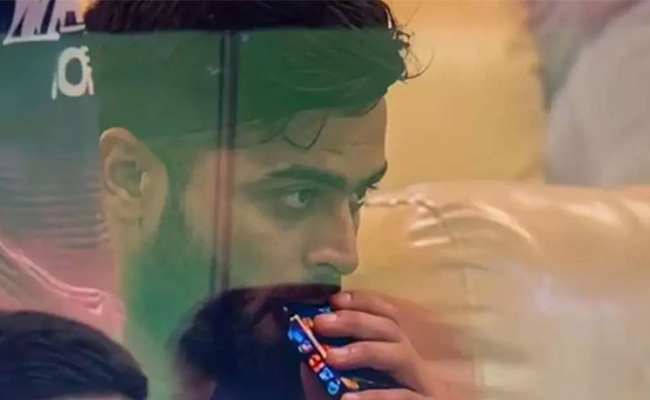
New Delhi (PTI): Rajasthan Royals captain Riyan Parag is set to be fined 25 per cent of his match fee for bringing the game into "disrepute" after being caught vaping on camera during the IPL game against Punjab Kings in Mullanpur.
Parag's actions during the Royals' chase on Tuesday night drew condemnation on social media.
PTI has learned that on field umpires Tanmay Srivastava and Nitin Menon had not reported the matter to match referee Amit Sharma right after the game. They only did that after seeing visual proof and Sharma found Parag guilty for a code of conduct breach as per the IPL guidelines.
The Level 1 offences carries 25 per cent deduction from match fees and one demerit point.
"He is set to be fined a portion of his match fees and a demerit point for a Level 1 offence," said an IPL source.
The Indian government had banned e-cigarettes back in 2019, prohibiting their production, sale and distribution. As per the law, the offender faces imprisonment up to one year and/or a Rs one lakh fine for a first time offence.
"Article 2.21 of IPL Code of Conduct is intended to cover all types of conduct that bring the game into disrepute and which is not specifically and adequately covered by the specific offences set out elsewhere in this Code of Conduct, including Article 2.20," the IPL Code of Conduct states.
"By way of example, Article 2.21 may (depending upon the seriousness and context of the breach) prohibit, without limitation, the following: (a) public acts of misconduct; (b) unruly public behaviour; and (c) inappropriate comments which are detrimental to the interests of the game.
"When assessing the seriousness of the offence, the context of the particular situation, and whether it was deliberate, reckless, negligent, avoidable and/or accidental, shall be considered.
"Further, the person lodging the Report shall determine where on the range of severity the conduct lays (with the range of severity starting at conduct of a minor nature (and hence a Level 1 Offence) up to conduct of an extremely serious nature (and hence a Level 4 Offence)."
Since it is a Level 1 offence there was no need for a hearing.
Parag, who has not had the best of times with the bat this IPL, was seen inhaling an e-cigarette, also known as vaping, in the dressing room during the live broadcast of their game against Punjab Kings. Royals won the game to end Kings' unbeaten run in the tournament.
This is not the first controversy to hit the Royals this season. Earlier this month, team manager Romi Bhinder was fined Rs one lakh for breaching PMOA protocol after being found using his phone in the dugout.
IPL and BCCI officials involved in the conduct of the IPL termed it as a careless act in the age of social media and prying TV cameras.
Royals next host Delhi Capitals at home on Friday night.