Zimbabwe beat India by 13 runs in 1st T20I
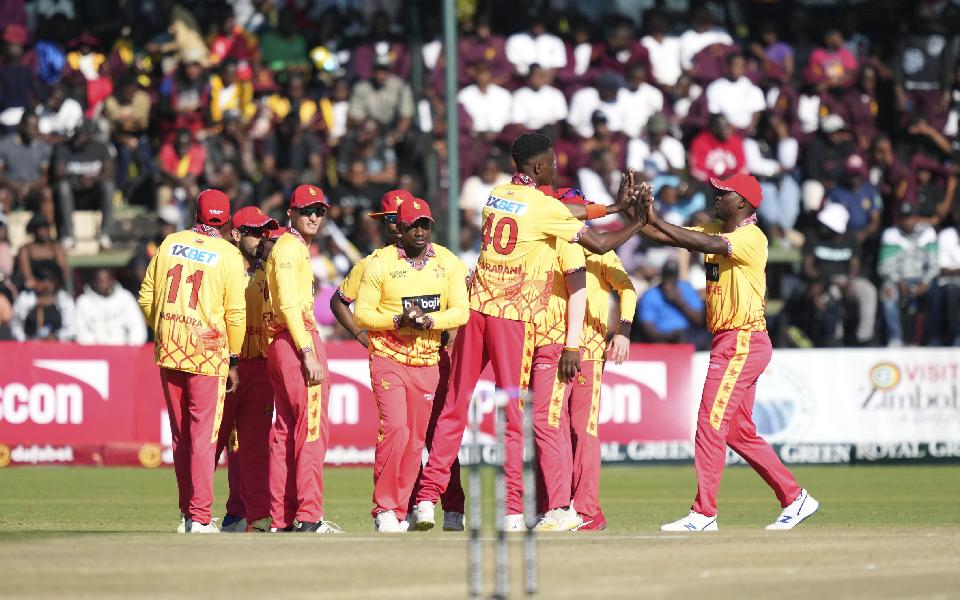
Harare, Jul 6: A new-look India, led by Shubman Gill, put up a sloppy batting display to lose to an inexperienced Zimbabwe by 13 runs in the first T20I of the five-match series here on Saturday.
Fresh from their T20 World Cup triumph, India chose to field a young side, handing three debut caps.
But the young Indian batters failed to shine and returned with eight-single digit scores to be bowled out for 102 in 19.5 overs in pursuit of a target of 116.
India were reduced to 86 for 9 in 17 overs and from there Washington Sundar (27; 34b) led India's fightback but only to fall short.
This became India's first loss in the format in 2024.
Zimbabwe skipper Sikandar Raza led from the front with his tidy 3/25 from his spin bowling, while Tendai Chatara bagged 3/16 from 3.1 overs.
Earlier, India restricted Zimbabwe to 115/9 after they opted to bowl.
Wrist-spinner Ravi Bishnoi claimed a career-best 4 for 13, while off spin-allrounder Washington Sundar snapped 2 for 11 as Zimbabwe lost six wickets for 16 runs to slip to 90 for 9 inside 16 overs.
But wicketkeeper-batter Clive Madande held the fort with a fine cameo of 29 not out from 25 balls (4x4) in an unbroken 25-run last wicket stand with Tendai Chatara.
India handed debut caps to Abhishek Sharma, Riyan Parag and Dhruv Jurel, all of them returned with single-digit scores.
Brief Scores:
Zimbabwe 115/9 in 20 overs (Dion Myers 23, Clive Madande 29 not out; Ravi Bishnoi 4/13, Washington Sundar 2/11).
India 102 allout in 19.5 overs (Sikandar Raza 3/25, Tendai Chatara 3/16).
Let the Truth be known. If you read VB and like VB, please be a VB Supporter and Help us deliver the Truth to one and all.
Lebanon appoints new representative for talks with Israel, rejects linkage to Iran
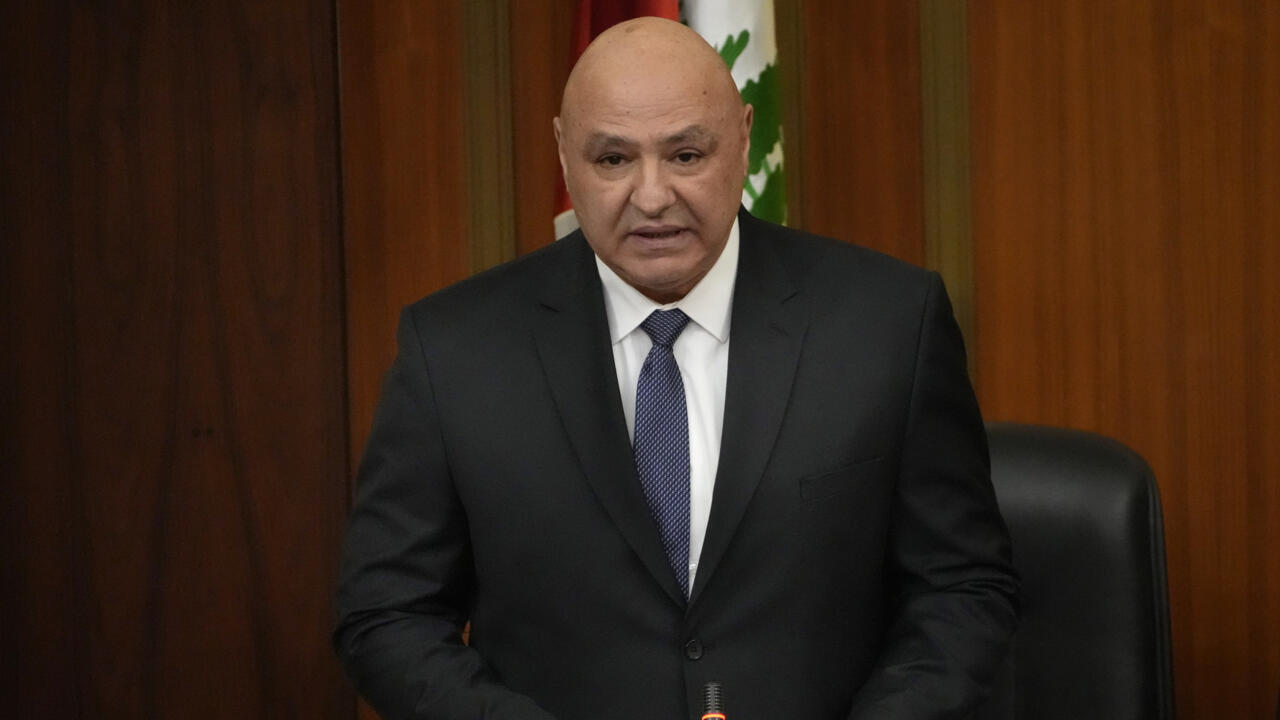
Beirut: Lebanon’s has moved to underline its independent position in ongoing regional developments, amid attempts to link the country to the broader conflict involving Iran, the United States and Israel.
President Joseph Aoun, while announcing the appointment of former US ambassador Simon Karam as Lebanon’s representative in talks with Israel, made it clear that Karam would be the sole representative for Lebanon and that there would be no substitute.
The move comes in response to what the Lebanese officials see as efforts by Iran to tie Lebanon’s situation to the wider regional conflict. Iran had indicated that there would be no ceasefire involving the US, Israel and Iran unless it also included a ceasefire in Lebanon.
Some groups, including Hezbollah and its supporters, had expressed support for linking the situations, citing concerns that the Lebanese government has limited leverage in negotiations with Israel. Lebanon is not formally a party to the conflict, and its army is considered weak.
However, others, including Prime Minister Nawaf Salam, have opposed this approach. They view Iran’s stance as an attempt to influence Lebanon’s internal affairs and see it as undermining the country’s sovereignty.
Officials backing the government’s position say the move is aimed at reaffirming Lebanon’s sovereignty and ensuring that decisions about peace and ceasefire within the country are not dictated externally.
They also see it as a safeguard, so that any breakdown in talks between the US, Israel and Iran does not automatically lead to renewed conflict in Lebanon.