22 killed, nearly 100 injured in train accident in Pakistan
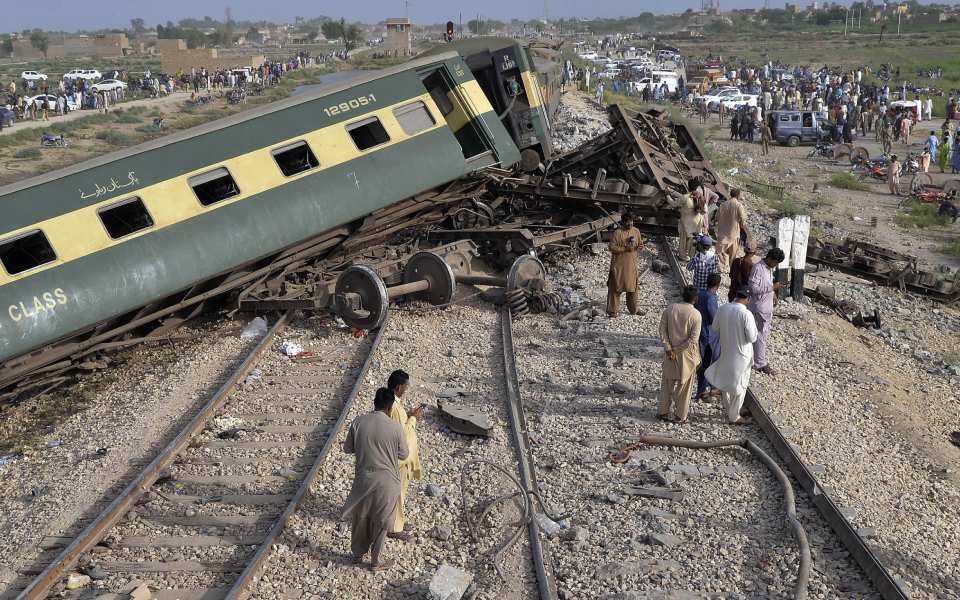
Karachi, Aug 6: At least 22 people were killed and nearly 100 others injured on Sunday when several compartments of an express train derailed in Pakistan's southern Sindh province, officials said.
The Hazara Express train en route from Karachi to Rawalpindi derailed in Nawabshah district near the Sarhari Railway Station, 275 kilometers from Karachi.
Senior Railway and police officials confirmed the death of 22 passengers in the accident.
Federal Railways Minister Saad Rafiq told the media that the number of casualties could rise as some of the injured were in critical after being hospitalised.
He said around 10 bogies had derailed and the cause of the accident is being investigated.
Pakistan Railways Sukkur Divisional Commercial Officer (DCO) Mohsin Siyal said 15 out of 22 bodies have been retrieved from the wreckage and the rescue work aided by the Pakistan Army was continuing.
"So far, we have had 22 casualties including women and around 100 injured sent to hospitals," Siyal said.
Earlier, Deputy Superintendent of Pakistan Railways Mahmood Rehman confirmed that at least 15 bodies were recovered from the damaged bogies.
Television channels showed the crash site with train compartments badly damaged near the station. They showed rescue workers and police trying to pull out people from the derailed compartments along with civilians who also joined the rescue work.
"Right now, the focus is on rescue work and recovering people from the derailed compartments," Rehman said.
He said that the cause of the accident is being investigated.
The state-run Radio Pakistan reported that the Pakistan Army and Rangers have started relief and rescue activities at the accident site.
The rescue operation has been started on the special directives of Army chief General Asim Munir, it added.
Additional troops have been called in to assist the rescue operation. Army Aviation helicopters are also reaching the spot to rescue the injured people.
"The rescue operation of Pakistan Army will continue till the transfer of the last injured to the hospital and the rehabilitation of the people trapped at the accident site," it said.
A spokesperson of the Pakistan Railways in Karachi said at least eight bogies derailed and the intensity of the accident increased due to delayed application of brakes.
The official said the affected bogies would be lifted off the track in a few hours using heavy machines and added that trains departing from Karachi might face delays.
Federal Minister for Railways and Aviation Rafiq said the train, carrying over 1,000 passengers, was travelling at a reasonable speed, which initial investigations showed.
He said an emergency has been imposed in hospitals in Sukkur and Nawabshah.
"It was either a mechanical fault or it was developed," he was quoted as saying by the Dawn newspaper.
Shaheed Benzirabad Deputy Inspector General of Police (DIG) Muhammad Younis Chandio termed the incident a "big accident".
However, the official refrained from confirming the number of casualties, the report said.
Foreign Minister Bilawal Bhutto Zardari, whose Pakistan Peoples' Party is in power in the province, directed the Sindh government to provide immediate treatment to the passengers injured in the train accident and also called on PPP workers to participate in relief and rescue activities.
Meanwhile, Sindh Chief Minister Murad Ali Shah expressed grief over the lives lost in the incident.
In a statement, he directed the Nawabshah deputy commissioner to provide the injured with immediate medical assistance.
Railways accidents occur frequently in Pakistan due to outdated track maintenance systems, signal issues, technical equipment and old engines.
Sindh has seen the worst railway accidents with the worst train disaster taking place in 1990 near Sukkur when 307 people were killed.
On June 7, 2021, 32 people were killed and 64 injured after two express trains collided in Sindh's Ghotki. In February 2020, 19 people were killed when a train collided with a passenger bus near Sindh's Rohri station.
In April this year, seven people were killed when a fire broke out in a bogie of the Karachi Express travelling from Karachi to Lahore near Tando Masti Khan in the Khairpur district of the southern Sindh province.
Let the Truth be known. If you read VB and like VB, please be a VB Supporter and Help us deliver the Truth to one and all.
Yogish Gowda murder case: HC issues notice to CBI after hearing Kulkarni’s plea
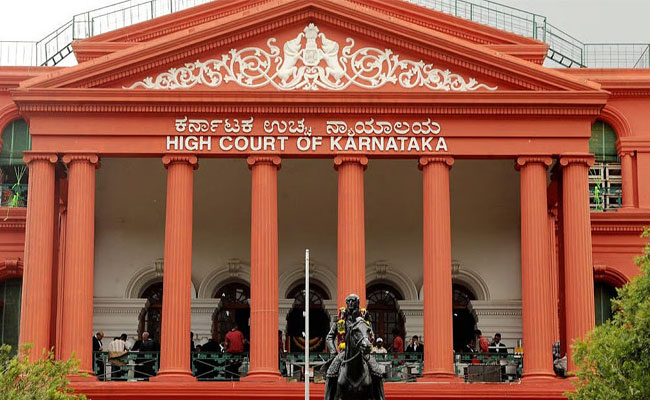
Bengaluru: Karnataka High Court has issued a notice to the Central Bureau of Investigation (CBI) following the filing of application by Congress MLA Vinay Kulkarni and Chandrashekhar Indi challenging the life imprisonment awarded to them by the Special Court for murder of BJP Dharwad leader Yogish Gowda.
The divisional bench comprising Justices Muhammad Nawaz and T Venkatesh Naik heard the pleas filed by Kulkarni on April 15 and Chandrashekhar Indi also called Chandu Mama on April 16.
The bench has now issued a notice to the CBI and also directed the HC Registry to obtain the trial court documents before adjourning the hearing.