31 dead, 62 rescued after boats capsize in Philippines
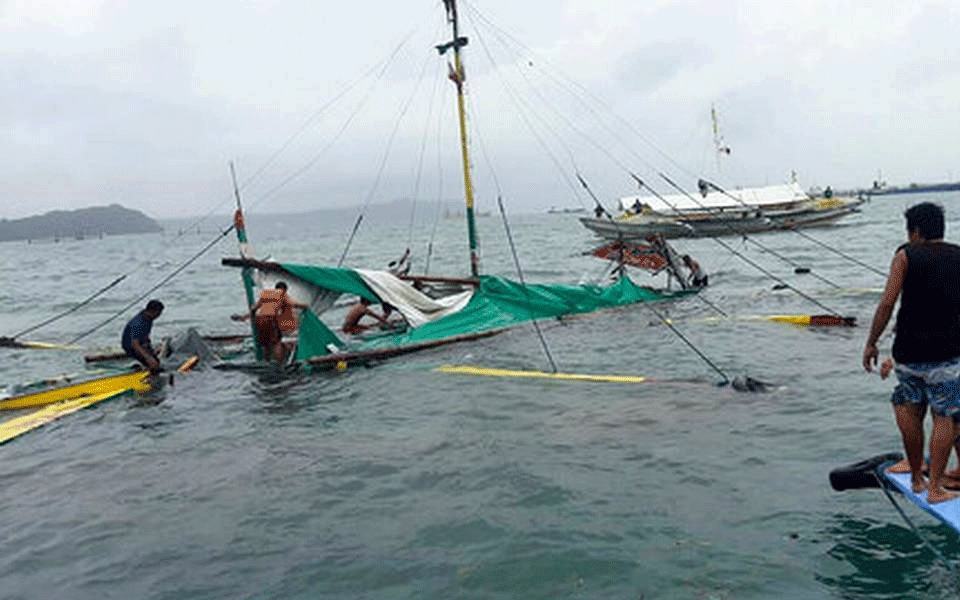
Manila: Rescuers recovered more bodies in rough seas where three ferry boats capsized after being buffeted by fierce winds and waves off two central Philippine provinces, bringing the death toll to 31 with three missing, the coast guard said Sunday.
Coast guard spokesman Armand Balilo said the dead were mostly passengers of two ferries that flipped over in sudden wind gusts and powerful waves Saturday off Guimaras and Iloilo provinces. Sixty-two other passengers and crew were rescued.
A third ferry, which was not carrying any passengers, also capsized in the Iloilo Strait but its five crewmen survived, Balilo said.
Survivors recounted how the sky suddenly turned dark midway through their trip, followed by strong winds and rain that battered their ferries.
Authorities wondered why a third ferry was allowed to sail about three hours after two other ferries overturned almost at the same time at noon in bad weather.
Forecasters have warned of heavy monsoon rains, thunderstorms and rain-triggered landslides amid a tropical depression more than 1,000 kilometers (620 miles) off the country's eastern coast.
Classes and work were suspended in metropolitan Manila on Friday and Saturday amid heavy rains and flooding, which caused intense traffic jams in low-lying areas of the capital.
About 20 typhoons and storms batter the Philippines each year, making the archipelago that lies on the Pacific typhoon and earthquake belt one of the world's most disaster-prone countries.
Let the Truth be known. If you read VB and like VB, please be a VB Supporter and Help us deliver the Truth to one and all.
Three arrested for running fake Aadhaar racket in UP's Badaun
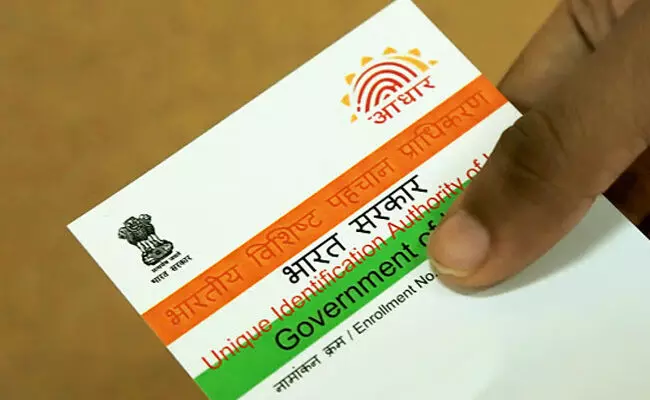
Budaun (UP), Apr 30 (PTI): The Budaun Police on Thursday busted a gang allegedly involved in preparing fake Aadhaar cards and forged documents, and arrested three of its members, officials said.
The action was carried out in the Hazratpur area, where the accused were found operating an illegal setup to generate fake identity documents, they said.
The accused have been identified as Farman Ali, a resident of Munshi Nagla, Anuj Kumar of Uprela, and Brajnandan of Sirsauli.
The police said a fingerprint scanner, three laptops, a hard disk, a scanner, a large number of Aadhaar cards and several suspicious documents were recovered from their possession.
ALSO READ: Hit by car, delivery agent dies after falling from flyover in Delhi
During interrogation, it was revealed that the gang had been involved in preparing fake identity documents for a long time, misleading people and earning money through illegal means, officials said.
Station House Officer Pushpendra Singh said the accused have been produced before a court, and efforts are underway to identify and arrest other members of the gang.
He added that further revelations are likely as the investigation progresses.