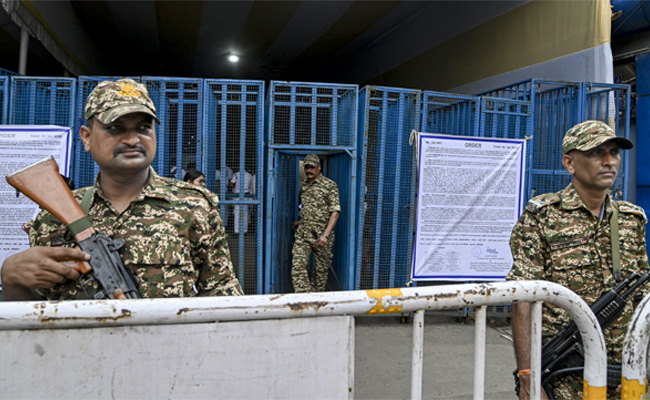
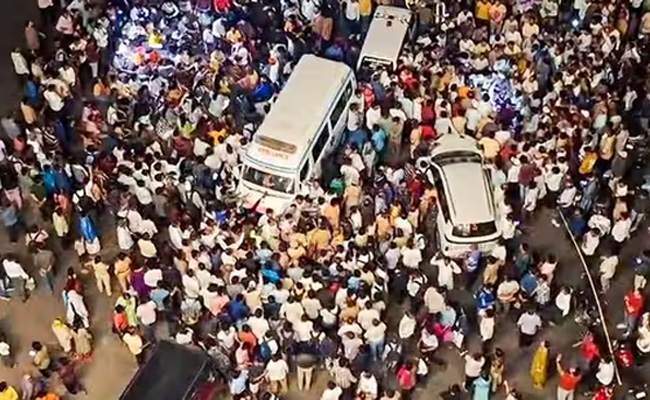
51 people, including Indian, died in recent anti-government protest in Nepal: Police
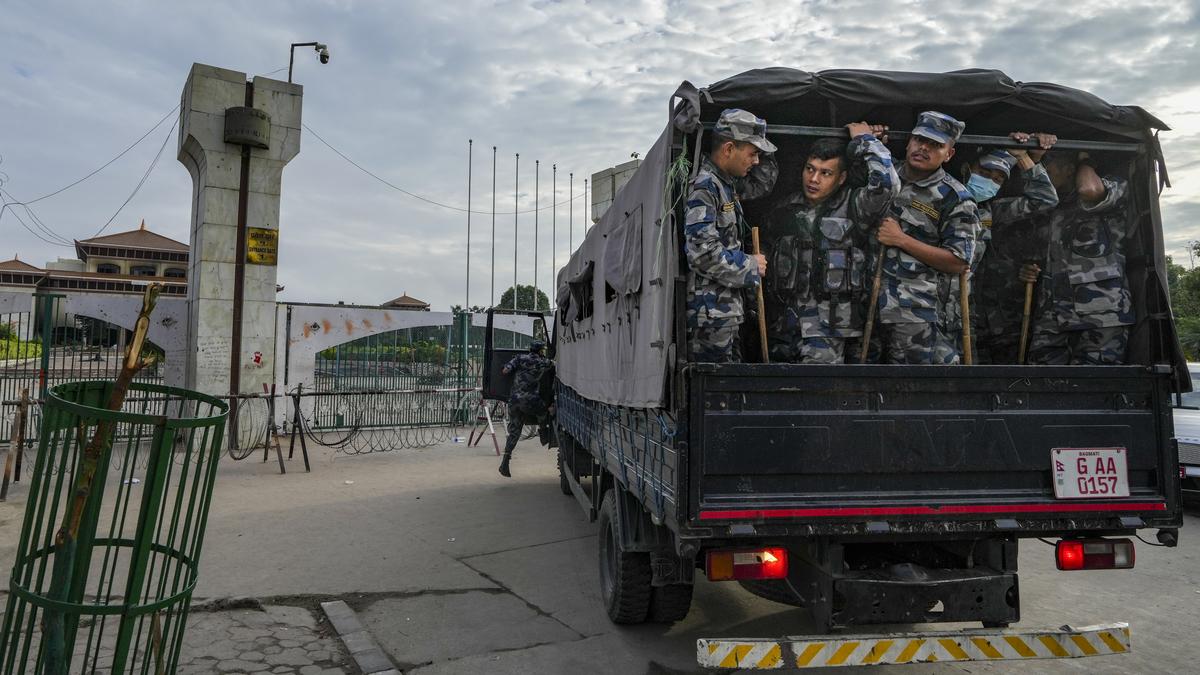
Kathmandu (PTI): At least 51 people, including an Indian national, have died in the recent 'Gen Z' protest that erupted across Nepal against corruption and a ban on social media sites, police said on Friday.
Senior Superintendent of Police Ramesh Thapa, who is co-spokesperson for Nepal police, said the casualties include one Indian national, three policemen and other Nepali citizens, The Kathmandu Post newspaper reported.
At least 36 bodies are at Tribhuvan University Teaching Hospital, Maharajgunj, where post-mortems began on Friday, it said.
Police said 17 bodies were recovered from different parts of the country on Thursday and Friday.
At least 19, mostly students, were killed when police opened fire at the Parliament building in Kathmandu when the protests under the banner of Gen Z launched their agitation on Monday.
Prime Minister K P Sharma Oli quit on Tuesday shortly after hundreds of agitators entered his office demanding his resignation over the deaths during Monday’s protest. The ban on social media was lifted Monday night.
The violence continued even after Oli's resignation, with protesters setting fire to the Parliament, the President's Office, the PM's residence, government buildings, political parties' offices and homes of senior leaders.
Meanwhile, many of the bodies were cremated at Aryaghat of Pashupatinath Temple near the bank of Bagmatai river on Friday afternoon.
Nearly 1,700 people sustained injuries during the protests. Of them, around 1,000 have returned home after recovery, police said.
Nepal's police force is gradually resuming operations in the Kathmandu Valley, with police stations and posts that were vandalised or set ablaze slowly coming back into operation, officials said.
Let the Truth be known. If you read VB and like VB, please be a VB Supporter and Help us deliver the Truth to one and all.
NCW chief condemns rape-murder of 4-year-old girl in Pune, calls for swift action
New Delhi (PTI): National Commission for Women (NCW) Chairperson Vijaya Rahatkar has condemned the alleged rape and murder of a four-year-old girl in Maharashtra's Pune, calling it "deeply distressing" and a "blot on humanity".
The girl was allegedly raped and killed by a 65-year-old labourer, who has a criminal record, in Bhor tehsil of Pune on Friday. The accused allegedly lured the child to a cattle enclosure on the pretext of giving her food. After raping her, he killed her by hitting her with a stone, according to police.
The accused has been arrested.
In a post on X on Saturday, Rahatkar said the incident in the Nasrapur area in Pune was heartbreaking and has shaken society.
"The brutal torture and murder of a four-year-old innocent girl in Nasrapur (Bhor, Pune) is deeply painful, heartbreaking, and shocking. It is a blot on humanity," she said.
She said Pune Rural police has arrested the accused and noted that Maharashtra Chief Minister Devendra Fadnavis and Deputy Chief Minister Sunetra Pawar have assured strict action in the case.
Rahatkar said the NCW has taken cognisance of the matter and written to the National Commission for Protection of Child Rights (NCPCR), requesting the body to ensure necessary and prompt action.
It has also been recommended that the case be pursued under stringent provisions of the Protection of Children from Sexual Offences (POCSO) Act and be closely monitored from the filing of the chargesheet to proceedings in a fast-track special court to ensure time-bound justice, she added.
Ensuring justice for the victim and stringent punishment for the accused is a collective responsibility, the NCW chairperson underlined.
In a post on X, the NCW said it has taken suo motu cognisance of the extremely "heinous" incident.
"This heinous crime causes profound pain and outrage, and it highlights serious concerns regarding the safety of young girls," it said.
Strongly condemning this grave "inhuman act", the NCW said such crimes constitute a serious violation of children's rights and raise questions about society's security system.