65 people, including seven Indians, believed to be missing after landslide in Nepal: Media reports

Kathmandu (PTI): At least 65 people, including seven Indian nationals, are believed to be missing after two buses were swept away by a landslide in Nepal and pushed into a swollen river on Friday, according to media reports.
The two buses carrying 65 passengers went missing in the Trishuli River in the landslides at Simaltal area along the Narayanghat-Mugling road in Chitwan district, myRepublica news portal reported quoting officials.
Chief District Officer of Chitwan, Indradev Yadav, confirmed the incident.
According to Yadav, the Kathmandu-bound Angel bus and Ganpati Deluxe, en route to Gaur from the Capital, met with the accident at around 3:30 am.
Twenty-four people were onboard the bus travelling to Kathmandu and 41 on the bus travelling to Gaur, police said.
Three of the passengers on the Ganpati Deluxe bus managed to escape after jumping out of the vehicle, The Kathmandu Post reported.
Details have been received of 21 passengers travelling from Birgunj to Kathmandu on Angel Deluxe. According to the latest information, police have said that there were seven Indian nationals among the passengers on the bus, myRepublica reported.
Yadav said that the rescue workers have started clearing the landslide debris.
Expressing grief over the disappearance of the bus in the Trishuli River, Prime Minister Pushpa Kamal Dahal 'Prachanda' has issued directives for immediate search and rescue operations.
"I am deeply saddened by the loss of nearly five dozen passengers and the loss of property due to floods and landslides in different parts of the country when a bus was washed away by a landslide on the Narayangadh-Muglin road section. I direct all agencies of the government, including the home administration, to search and effectively rescue the passengers," Prachanda posted on X.
The prime minister also expressed grief over the loss of life and property due to floods and landslides in different parts of the country. He urged citizens to take necessary precautions.
Nepal Police and Armed Police Force personnel are heading towards the incident sites for rescue operations, Superintendent of Police Bhawesh Rimal said.
Debris from landslides at various places has obstructed traffic on the Narayanghat-Mugling road section.
Meanwhile, in a separate incident, at least 11 people died in landslides and floods triggered by incessant rain in Kaski district on Thursday.
More than 1,800 people have lost their lives in a decade due to monsoon disasters. During this period, about 400 people went missing and more than 1,500 people were injured in the disaster.
Let the Truth be known. If you read VB and like VB, please be a VB Supporter and Help us deliver the Truth to one and all.
CEC orders immediate arrest of those involved in post-poll violence in Bengal: Official
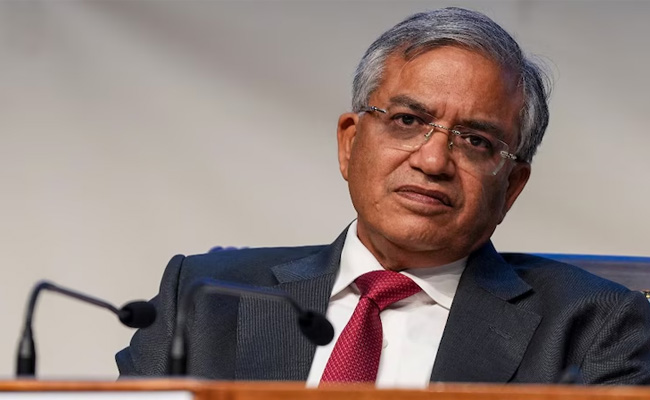
Kolkata (PTI): Chief Election Commissioner Gyanesh Kumar directed the authorities concerned to immediately arrest those involved in post-poll violence and vandalism in West Bengal, an official said on Wednesday.
The Election Commission's directive came after two persons were killed in alleged incidents of post-poll violence in the state on Tuesday, besides scores of party offices being ransacked.
The CEC issued instructions to the West Bengal chief secretary, director general of police, Kolkata police commissioner and directors general of central armed police forces, along with all district magistrates, superintendents of police and other officials, to maintain continuous patrolling in sensitive areas, he said.
"Those responsible for inciting violence and carrying out acts of vandalism must be arrested immediately," the official said, quoting the CEC's instruction.
The chief election commissioner also stressed the need for swift and firm enforcement of the law, he added.
This directive came amid concerns over law and order in parts of the state, with the Election Commission closely monitoring the situation, he added.
"We have been asked to remain on high alert and ensure that any attempt to disturb peace is dealt with firmly," a senior police officer said.
The state authorities have intensified vigil across districts, with coordinated efforts between the police and central forces to prevent any untoward incident, he added.
The assembly elections were held in West Bengal in two phases - April 23 and 29. The counting of votes took place on May 4.
The BJP sealed a landslide victory with 207 seats in the 294-member assembly, ending the TMC's uninterrupted 15-year rule in the state.