After UK, Germany issues advisory against travel to J&K
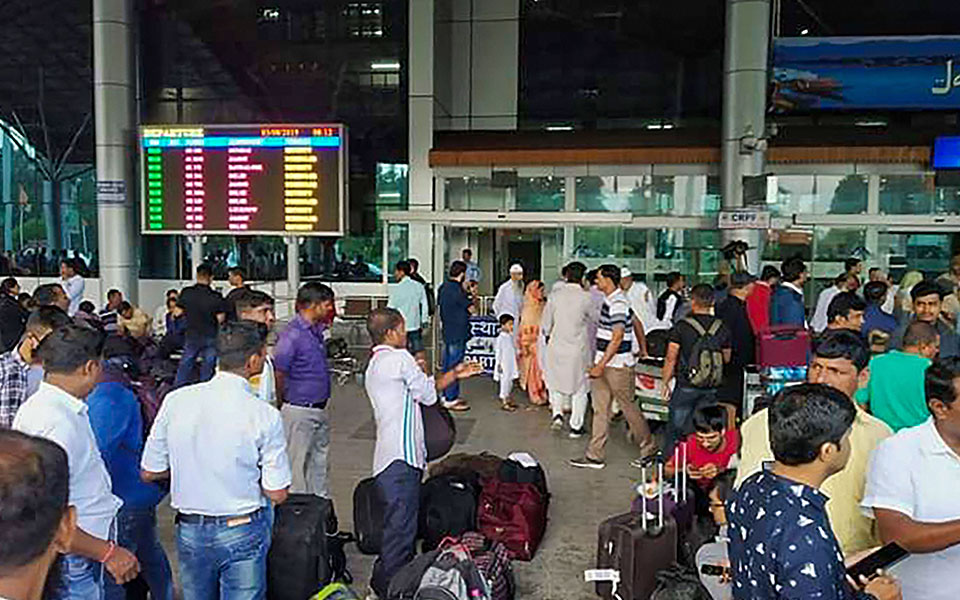
New Delhi: After the UK, Germany has also issued a travel advisory "strongly" discouraging its citizens from travelling to Jammu and Kashmir due to the recent security alert in the state and asked those staying in the Kashmir Valley or along the Armanath Yatra pilgrimage route to leave the state.
The Foreign and Commonwealth Office (FCO) updated its advisory a day after the authorities in Jammu and Kashmir suspended the annual Amarnath yatra due to security reasons, and issued an advisory asking pilgrims and tourists to return as soon as possible.
The FCO added on its advice that already warned against travel to the north Indian state, including to the tourist destinations of Pahalgam, Gulmarg and Sonamarg.
"On August 2, the Indian media reported that the government of Jammu and Kashmir had advised tourists and Amarnath Yatra pilgrims to curtail their stay in the Kashmir Valley immediately and take necessary measures to return home as soon as possible because of security threats," the FCO update noted.
"The British High Commission in New Delhi is monitoring the situation. If you're in Jammu and Kashmir, you should remain vigilant, follow the advice of local authorities and keep up to date with developments, including via this travel advice," it said.
In its regular India-related travel advisory, the FCO advises against all travel to the immediate vicinity of the border with Pakistan, other than at Wagah and Jammu and Kashmir, except for travel within the city of Jammu, travel by air to the city of Jammu, and travel within the region of Ladakh.
The government's advice extends to "all but essential travel" to the city of Srinagar and between the cities of Jammu and Srinagar on the Jammu-Srinagar national highway.
The broad advice to British citizens travelling to India also includes a warning that the risk of a terrorist attack remains "very likely".
"Recent attacks have targeted public places including those visited by foreigners. There have been recent media reports suggesting Daesh (formerly referred to as ISIL) may have an interest in attacking targets in India," the advisory reads.
"There may be an increased threat to places visited by British nationals such as religious sites, markets, festival venues and beaches. You should be vigilant at this time, monitor local media and take all precautions for your safety," it adds.
The purpose of the FCO travel advice is to provide information and advice to help British nationals make informed decisions about foreign travel to different destinations around the world.
The country-wise guide, available online, is kept under constant review to be updated in light to developing incidents or threats in a particular region around the world.
Let the Truth be known. If you read VB and like VB, please be a VB Supporter and Help us deliver the Truth to one and all.
Three arrested for running fake Aadhaar racket in UP's Badaun
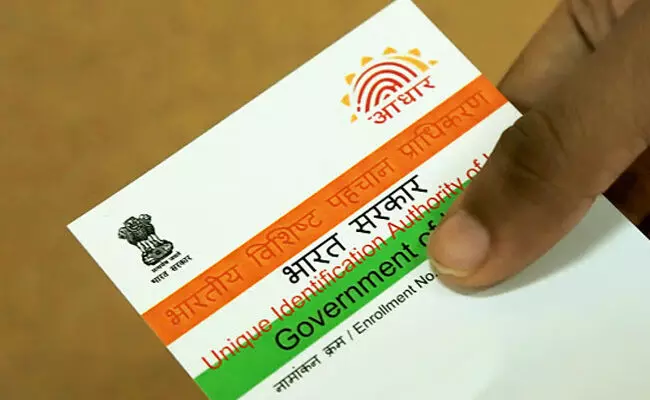
Budaun (UP), Apr 30 (PTI): The Budaun Police on Thursday busted a gang allegedly involved in preparing fake Aadhaar cards and forged documents, and arrested three of its members, officials said.
The action was carried out in the Hazratpur area, where the accused were found operating an illegal setup to generate fake identity documents, they said.
The accused have been identified as Farman Ali, a resident of Munshi Nagla, Anuj Kumar of Uprela, and Brajnandan of Sirsauli.
The police said a fingerprint scanner, three laptops, a hard disk, a scanner, a large number of Aadhaar cards and several suspicious documents were recovered from their possession.
ALSO READ: Hit by car, delivery agent dies after falling from flyover in Delhi
During interrogation, it was revealed that the gang had been involved in preparing fake identity documents for a long time, misleading people and earning money through illegal means, officials said.
Station House Officer Pushpendra Singh said the accused have been produced before a court, and efforts are underway to identify and arrest other members of the gang.
He added that further revelations are likely as the investigation progresses.