Aster DM Healthcare to build US$350 million, 500-bed hospital in Grand Cayman
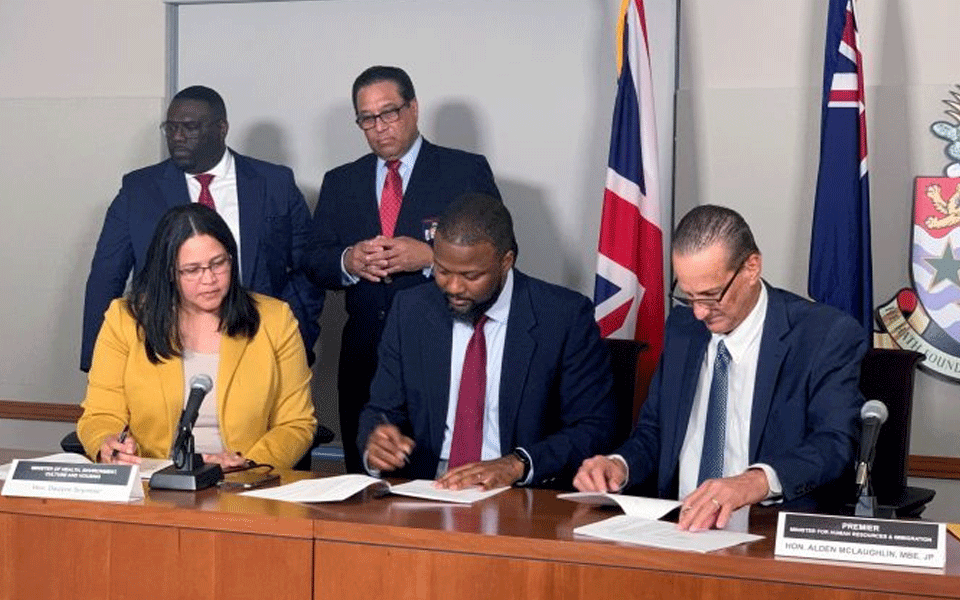
Dubai-based Aster DM Healthcare is all set to establish a US$350 million, 500-bed hospital in Grand Cayman.
Speaking at a press conference Monday morning, Premier Alden McLaughlin said the Cayman Islands government was entering into a partnership with Aster and would be executing a legal agreement relating to the project immediately following the briefing.
The new health facility, which will be built in phases over several years, will include a hospital, assisted-living accommodations and a medical university, and will provide medical care to both local patients and medical tourists, the premier said.
Dr. Azan Moopen, founder of Aster DM Healthcare, speaking via Zoom, said the first phase of the facility was expected to be commissioned within “the next two to three years”.
He said the facility would target the 1.4 million medical tourists who travel overseas for healthcare from the United States annually, as well as patients from Canada and countries throughout the Caribbean.

(Dr. Azan Moopan, founder, managing director and chairman of Aster DM Healthcare)
Aster has some 365 medical facilities across eight countries, employing more than 19,000 employees.
Moopen said his company had been looking to expand to other countries outside Asia and the Middle East, and were “in search of an ideal location and supportive government and associates to make this a reality”.
“When we visited the Cayman Islands and met the honourable premier and other senior leaders, we were greatly impressed by the business-friendly environment, the easy accessibility to the highest levels of government, and the transparency along with the quality-focussed approach,” he said.
This would be the second Aster Medcity set up by the group. One already exists in Kochi, Kerala, in southern India.
Let the Truth be known. If you read VB and like VB, please be a VB Supporter and Help us deliver the Truth to one and all.
MP boat tragedy: Death toll climbs to 12; search on for one missing person
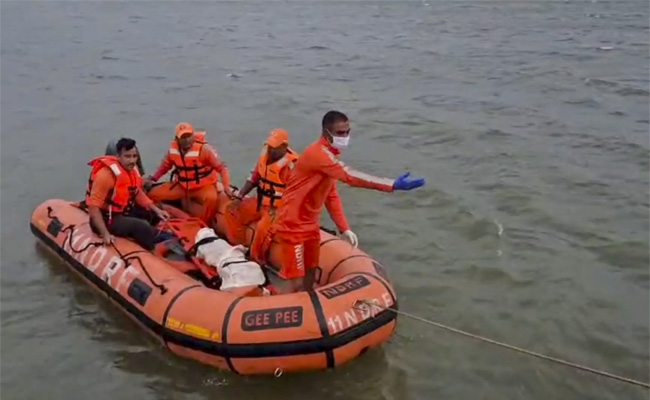
Jabalpur (PTI): The body of a 5-year-old boy was recovered from the Bargi Dam in Madhya Pradesh's Jabalpur district on Sunday morning, taking the death toll in the cruise boat tragedy to 12, while search continued for one missing person, police said.
The boat, around 20 years old and operated by the state tourism department, capsized during a storm on Thursday evening.
The body of Mayuram (5) has been fished out of the dam. Search is underway for Kamraj (aged around 50), an employee of the Ordnance Factory in Khamaria, Bargi police station house officer (SHO) Neelesh Dohare told PTI.
More than 200 rescuers, including around 20 Army divers airlifted from Agra, National Disaster Response Force, State Disaster Response Force and local divers, were searching for the man 40-50 feet deep in the water in a radius of 5 km, according to police.
Of the 41 identified passengers on board the ill-fated vessel, 28 were rescued after the incident, police earlier said.
The CCTV footage near the boarding point showed 43 people heading towards the boat, while the identities of 41 passengers have been confirmed so far, they said.
The state government on Friday ordered a probe into the tragedy and dismissed three crew members. It also banned the operation of similar vessels in the state.