At least 64 people killed in strike on hospital in Sudan: World Health Organization
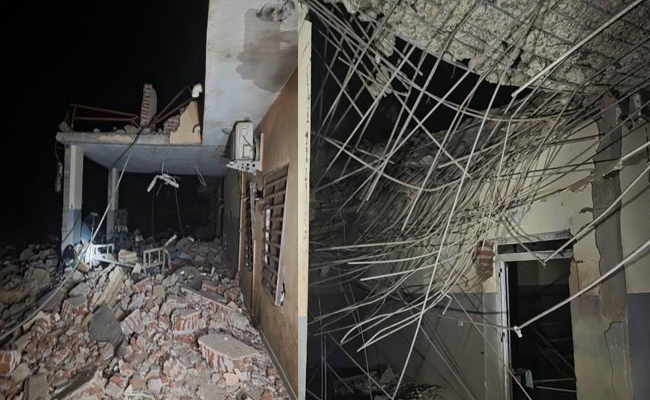
Cairo: At least 64 people, including at least 13 children, were killed in a strike on a hospital in the western Darfur region of Sudan on Friday, the World Health Organization (WHO) said on Saturday.
News agencies have reported that the strike on Al Daein Teaching Hospital in East Darfur on Friday not only injured at least 89 people but also rendered the hospital non-functional, Tedros Ghebreyesus, the head of the WHO, said in a post on X.
Sudan has been in a state of chaos since April 2023, when a power struggle between the military and the rival paramilitary Rapid Support Forces (RSF) developed into war across the country.
The RSF has blamed the military for the strike on the hospital.
The army, however, has denied the attack, but two military officials have said that the strike targeted a nearby police station. They spoke on condition of anonymity as they were not allowed to discuss the matter openly.
The war has killed more than 40,000 people, according to UN figures, but aid groups say that is an undercount and the true number could be many times higher.
The WHO has said that over 2,000 people have been killed in attacks on medical facilities since the start of the war.
“Enough blood has been spilled. Enough suffering has been inflicted. The time has come to de-escalate the conflict in Sudan,” said Ghebreyesus.
.@WHO has verified yet another attack on health care in #Sudan. This time, Al Deain Teaching Hospital in East Darfur’s capital, Al Deain, was struck, killing at least 64 people, including 13 children, two female nurses, one male doctor, and multiple patients.
— Tedros Adhanom Ghebreyesus (@DrTedros) March 21, 2026
As a result of this… pic.twitter.com/RAwDR5YVjd
Let the Truth be known. If you read VB and like VB, please be a VB Supporter and Help us deliver the Truth to one and all.
Lebanon appoints new representative for talks with Israel, rejects linkage to Iran
Beirut: Lebanon’s has moved to underline its independent position in ongoing regional developments, amid attempts to link the country to the broader conflict involving Iran, the United States and Israel.
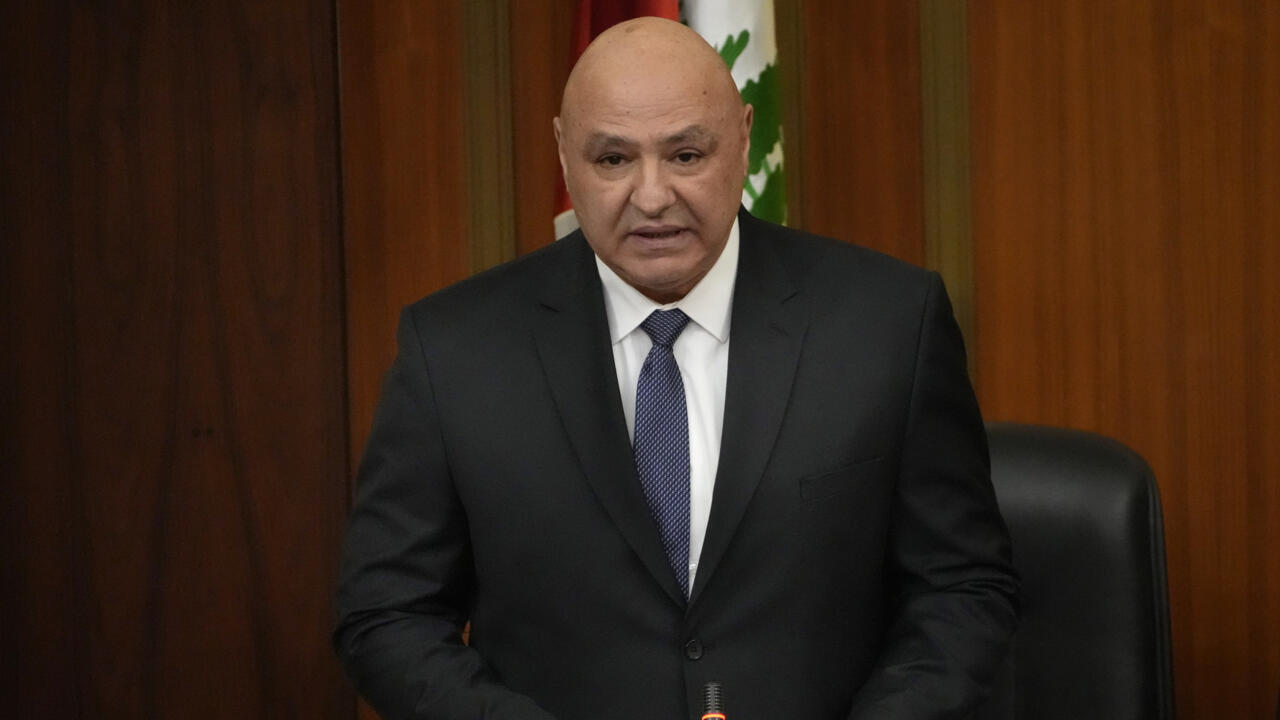
President Joseph Aoun, while announcing the appointment of former US ambassador Simon Karam as Lebanon’s representative in talks with Israel, made it clear that Karam would be the sole representative for Lebanon and that there would be no substitute.
The move comes in response to what the Lebanese officials see as efforts by Iran to tie Lebanon’s situation to the wider regional conflict. Iran had indicated that there would be no ceasefire involving the US, Israel and Iran unless it also included a ceasefire in Lebanon.
Some groups, including Hezbollah and its supporters, had expressed support for linking the situations, citing concerns that the Lebanese government has limited leverage in negotiations with Israel. Lebanon is not formally a party to the conflict, and its army is considered weak.
However, others, including Prime Minister Nawaf Salam, have opposed this approach. They view Iran’s stance as an attempt to influence Lebanon’s internal affairs and see it as undermining the country’s sovereignty.
Officials backing the government’s position say the move is aimed at reaffirming Lebanon’s sovereignty and ensuring that decisions about peace and ceasefire within the country are not dictated externally.
They also see it as a safeguard, so that any breakdown in talks between the US, Israel and Iran does not automatically lead to renewed conflict in Lebanon.