Behind the Bylines - Confronting the silent mental health crisis in journalism
World Press Freedom Day
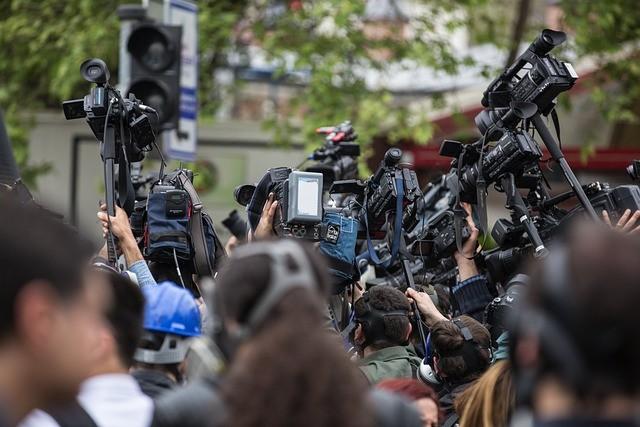
Proposed by The UN General Assembly, 3rd May is World Press Freedom Day. Approved under Article 19 of the 1948 Universal Declaration of Human Rights, this day is observed to raise awareness of the importance of freedom of the press. This day is observed to reflect on the crucial role of the press in upholding democracy and the ever growing challenges journalists and writers face across globe.
The word ‘press’ was originally used for printing press, which was the centers of dissemination of information. In today’s’ digital world it has come to represent the collective media and is given a new name, ‘fourth pillar of democracy.’
Earlier, journalism was considered the watchdog of democracy whose responsibility was to expose corruption, champion human rights and give voice to those who were marginalized. However, the recent years have witnessed a great decline in press freedom globally. According to the latest World Press Freedom Index 2025 by Reporters Without Borders, more than a half of the world’s population now lives in countries where press freedom is severely restricted. The factors that threaten this pillar include economic pressure, political interference and safety concerns, which have collectively contributed to this downfall.
The pressure and interference journalists and writers face has intensified in last few years especially in conflict zones. One such stark example is the Israel-Gaza conflict. At the start of 2025, A total of 176 (out of whom 168 were Palestanians) journalists and media workers were killed in the conflict according to the Committee to Protect Journalists (CPJ), making it the most deadliest period for journalists in the region.
The situation hasn’t changed. Journalists in Gaza face relentless challenges such as constant bombing, electricity outages, internet block and gruesome deaths. Despite all these they continue their mission with the help of the limited resources available.
The situation is India has not been immune to the global decline in press freedom. The RSF 2024 World Press Freedom Index put India on 159th spot out of 180 countries which reflects the growing interference. The targeting of fact-checkers and independent media outlets has further made this worse. Such incidents are not just hurdles in journalistic works but are also a major risk factor to the mental well-being of media professionals. According to a detailed report published by The Hindu, India stand 7th on the index where most number of journalists and media workers were killed between 2015-24.
When seasoned journalists such as Ravish Kumar and Rajdeep Sardesai transitioned from mainstream television to independent digital platforms, and when Prannoy Roy eventually yielded to mounting political pressures, what the public largely witnessed were the procedural and technical aspects of their departure. Lost in that narrative was the emotional toll, the anguish of relinquishing a platform they helped build and the silent grief of parting from institutions that had been instrumental in shaping their professional identities. Similarly, when fact-checkers face relentless FIRs and legal intimidation for unveiling uncomfortable truths, the world often applauds their resilience and courage, but seldom pauses to acknowledge the psychological burden they quietly endure.
A study conducted in 2024 by journalism.co.uk revealed a record level of burnout, anxiety, depression and post- traumatic stress disorder among journalists globally. The hostilities towards media persons have also intensified these issues.
The situation in India mirrors global concerns. Journalists across the country often operate in high-pressure environments with limited institutional support, particularly when they are not aligned with political establishments. The lack of resources, coupled with increasing external scrutiny, adds to the strain. A significant portion of journalistic work, especially for writers and editors, takes place during late hours, further exacerbating mental fatigue.
Compounding these challenges is the stark lack of financial security within the profession. Journalism, despite its critical role in a democratic society, often fails to offer adequate monetary compensation, especially for those working in regional media, independent platforms, or freelance capacities. Many journalists operate without stable contracts, insurance, or retirement benefits, leaving them vulnerable not only to professional uncertainty but also to personal financial strain. This economic precariousness further deepens mental health challenges, as the stress of making ends meet coexists with the pressures of high-stakes reporting.
Crime reporters, in particular, are routinely exposed to graphic violence and traumatic content. Over time, constant exposure to such brutality can lead to emotional desensitization, which is itself a psychological defense mechanism with long-term consequences. Chronic sleep deprivation is another widespread issue. The relentless pace of deadlines, breaking news alerts, and the pressure to stay ahead of the curve severely disrupts regular sleep cycles. Left unaddressed, these conditions can manifest physically, affecting cardiovascular health, immunity, and overall well-being.
As human beings, we are inherently endowed with emotions,and acknowledging them is essential to our overall well-being. When these feelings are consistently ignored or suppressed, they can manifest over time as serious mental and emotional health disorders. For those in journalism and writing, professions marked by relentless pressure, emotional exposure, and intellectual intensity, prioritizing mental health is not optional, but imperative.
If you are a writer or journalist, these are some easy steps you can follow to safeguard your mental health:
• Identify you emotions: After listening to stories steeped in sorrow or enduring an overwhelming workload, it’s only natural to feel emotionally shaken. The first step toward preserving your mental health is to gently admit to yourself that something doesn’t feel right inside. Don’t silence these emotions or brush them aside, they are real, and they matter. Allow yourself the grace to sit with them, to understand them, and to heal with kindness toward your own heart.
• Speak and Share: Isolation can silently accumulate emotional tension. Speaking with a trusted friend, colleague, mentor, or mental health professional can ease, shed light on, and provide perspective. Sharing your experience not only lightens the burden but also reminds you that you are not alone in shouldering the burdens of this demanding profession.
• Institutional Support: Mental health programs should be instituted by media organizations, access to counseling made available and open discussion of wellness promoted.
• Peer Networks: Creating support groups can provide journalists with an opportunity to exchange experiences and coping mechanisms.
• Training and Awareness: Incorporating mental health education in journalism college courses and in newsroom workshops can prepare journalists with techniques for coping with stress.
• Policy Advocacy: Press unions and organizations must advocate for policies to protect the rights of journalists and provide mental health services.
• Seek Help When Needed: There is power in seeking help. If concerns, fatigue, or uncomfortable emotions continue, don't be afraid to go visit a mental health professional. Counseling or therapy can provide healthier ways of coping as well as a safe space in which to fight emotional battles. Taking care of your mental health is an act of awareness, not weakness.
Let the Truth be known. If you read VB and like VB, please be a VB Supporter and Help us deliver the Truth to one and all.
Sengottaiyan secures historic 10th victory in Gobichettipalayam assembly constituency
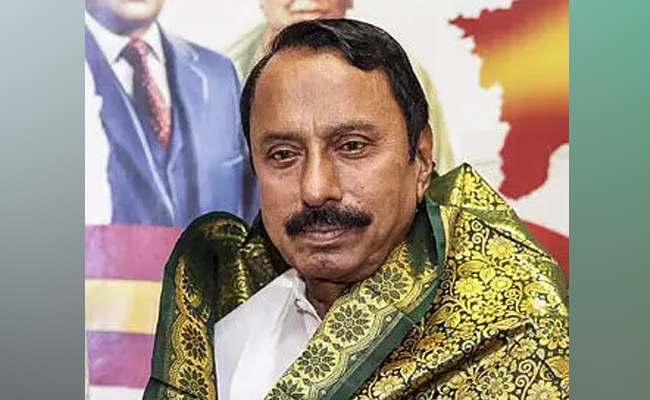
Gobichettipalayam (Tamil Nadu) (PTI): In a historic 10th win, veteran leader K A Sengottaiyan clinched the Gobichettipalayam seat in the 2026 Assembly elections.
Contesting for the first time under actor Vijay’s TVK, the 78-year-old secured approximately 71,380 votes, defeating DMK’s N Nallasivam by a margin of nearly 13,000 votes.
This win marks Sengottaiyan’s 10th consecutive victory in the constituency, cementing his status as an immovable force in the region despite his high-profile exit from the AIADMK in late 2025.
His success was a cornerstone for the TVK, which emerged as a formidable force across the state. Supporters celebrated the win as a testament to Sengottaiyan’s personal influence, which successfully transitioned from his former Dravidian home to the newly formed TVK.