Britain's Prince Harry and Meghan to give up royal titles
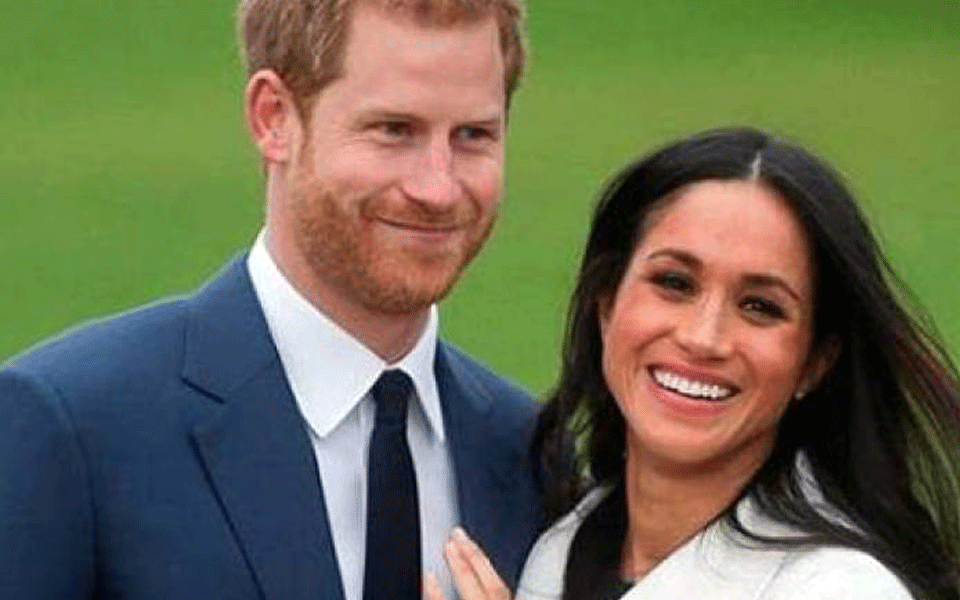
London: Britain's Prince Harry and his wife Meghan have agreed to give up their royal titles and stop receiving public funds as part of a settlement with the Queen that lets them spend more private time in Canada.
The announcement from Buckingham Palace on Saturday follows more than a week of intense private talks aimed at managing the fallout of the couple's shock decision to give up front-line royal duties.
"Following many months of conversations and more recent discussions, I am pleased that together we have found a constructive and supportive way forward for my grandson and his family," Queen Elizabeth II said in a statement.
"I recognise the challenges they have experienced as a result of intense scrutiny over the last two years and support their wish for a more independent life."
Her comments referred to battles with the media that prompted Harry and Meghan -- known until now as the Duke and Duchess of Sussex -- to sue several newspapers over intrusions into their private lives.
A separate statement attributed to Buckingham Palace said "the Sussexes will not use their HRH titles as they are no longer working members of the Royal Family". HRH is the acronym for Her Royal Highness.
"As agreed in this new arrangement, they understand that they are required to step back from Royal duties, including official military appointments. They will no longer receive public funds for Royal duties," the statement said.
The settlement added that the two will also repay 2.4 million pounds (USD 3.1 million) of taxpayer's money spent on renovating their Frogmore Cottage home near Windsor Castle.
The Palace added that it would not comment on who ends up paying for their security detail in Canada -- an issue of intense public debate. It also failed to mention whether the couple would be allowed to benefit financially from future royalties and franchise fees.
Harry and Meghan are seeking to register the "Sussex Royal" brand as a global trademark for their future enterprises.
The couple are dedicated to environmental causes and are looking to develop their charitable foundation as part of a "progressive" new role.
The queen's announcement is her second on the royal crisis -- dubbed Megxit in honour of Britain's painful battle over Brexit -- ahead of Harry and Meghan's effective resignation on March 8.
"We have chosen to make a transition this year in starting to carve out a progressive new role within this institution," the couple said at the time.
"We now plan to balance our time between the United Kingdom and North America." Meghan then jetted back to Canada and is now their with their son Archie. Their announcement caught the royal family by surprise and created a media sensation in both Britain and the wider world.
Their treatment by London's hard-hitting tabloid press and their personal future -- as well as questions about longstanding royal traditions -- have turned into daily front-page news.
Media reports said Harry would probably join Meghan and Archie on the west coast of Canada this coming week. (AFP)
Let the Truth be known. If you read VB and like VB, please be a VB Supporter and Help us deliver the Truth to one and all.
Miscreants decamp with 70 kg silver articles from jewellery shop in Bengaluru
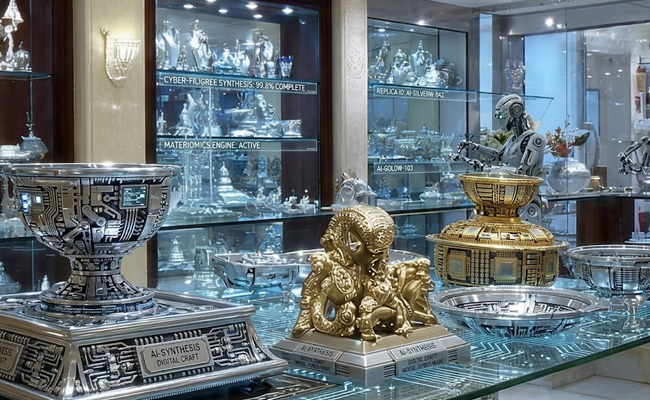
Bengaluru (PTI): Unidentified miscreants allegedly broke into a jewellery shop here and decamped with approximately 70 kg of silver articles worth crores of rupees, police said on Friday.
The incident was reported at a jewellery shop near 8th Mile, Havanur, on April 28, they said.
According to police, the accused are suspected to have entered the premises from the rear after breaking open the lock and drilling a hole through the wall of the shop.
The incident came to light at around 7 am on April 28 when shop staff opened the premises and discovered signs of forced entry and extensive damage to the rear section of the building, following which they alerted police authorities.
Preliminary estimates indicate that around 70 kg of silver articles, worth crores, were stolen. Most of the silver items displayed in the cupboards were taken, while valuables kept in the locker remained intact, a senior police officer said.
Police said CCTV cameras inside the shop were not functioning. Efforts are underway to identify the suspects using footage from cameras installed in the vicinity.
The miscreants also allegedly took away the Digital Video Recorder (of CCTV) of an adjacent shop, the officer added.
Investigators are also examining the tools and techniques used to gain access to the shop, suspecting the involvement of a professional gang with prior knowledge of the store layout.
A case has been registered at Bagalagunte Police Station, and further investigation is underway to identify and apprehend the accused, police said.