China bans BBC from broadcasting
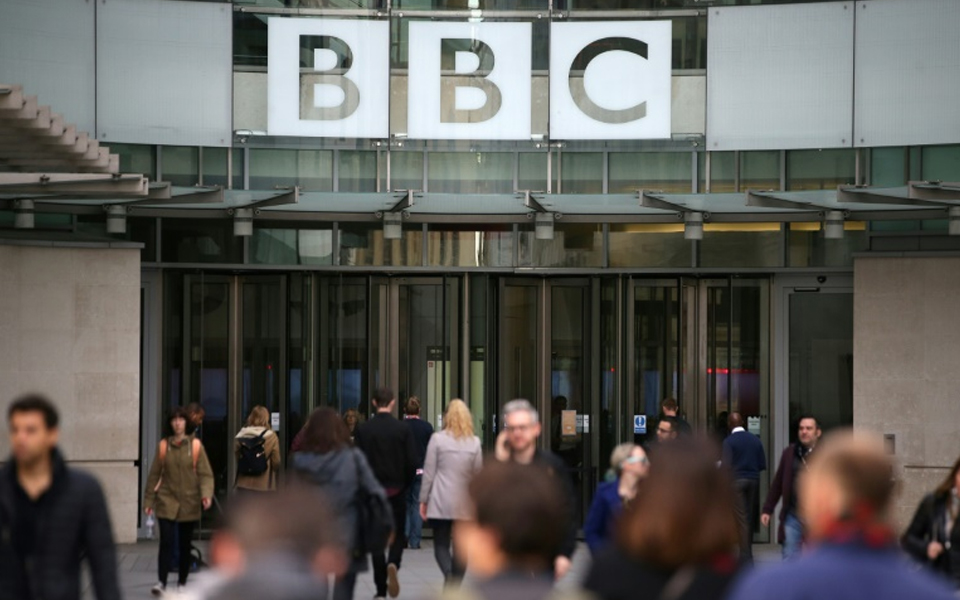
Beijing: China has banned BBC World News from broadcasting in the country for seriously violating its guidelines for reporting, its television and radio regulator has announced.
The move comes a week after the UK revoked the license of Chinese state-owned broadcaster China Global Television Network's (CGTN).
China has criticised the BBC for its reporting on the deadly coronavirus pandemic and the persecution of ethnic minority Uighurs and lodged a protest with the British broadcaster.
The BBC said it was "disappointed" by China's decision to ban it.
The Chinese regulator, National Radio and Television Administration (NRTA) has made the announcement on Thursday night on pulling BBC World News off the air in the country for serious content violation.
NRTA said BBC World News was found to have seriously violated regulations on radio and television management and on overseas satellite television channel management in its China-related reports, state-run Xinhua news agency reported.
The BBC coverage went against the requirements that news reporting must be true and impartial, and undermined China's national interests and ethnic solidarity, it said.
"As the channel fails to meet the requirements to broadcast in China as an overseas channel, BBC World News is not allowed to continue its service within Chinese territory. The NRTA will not accept the channel's broadcast application for the new year," NRTA said in a statement.
China's ban followed British media regulator Ofcom revoking state broadcaster CGTN licence to broadcast in the UK.
Ofcom's decision to revoke the license of CGTN came after it found that the Chinese state television licence was wrongfully held by Star China Media Ltd.
CGTN was also found in breach of British broadcasting regulations for airing the allegedly forced confession of UK citizen Peter Humphrey.
Reacting to China's ban the BBC said in a statement: 'We are disappointed that the Chinese authorities have decided to take this course of action. The BBC is the world's most trusted international news broadcaster and reports on stories from around the world fairly, impartially and without fear or favour."
The commercially-funded BBC World News TV channel broadcasts globally in English. In China it is largely restricted and appears only in international hotels and some diplomatic compounds, meaning most Chinese people cannot view it, the BBC report on China's ban said.
British Foreign Secretary Dominic Raab called the move an "unacceptable curtailing of media freedom".
The US State Department condemned the decision, calling it part of a wider campaign to suppress free media in China.
Relations between China and the UK have seen a serious deterioration in recent months over Hong Kong, where Beijing introduced a controversial new security law after a large pro-democracy movement swept the ex-colony.
In January the UK introduced a new visa that gives 5.4 million Hong Kong residents the right to live in the UK and eventually becomes citizens because it believes China is undermining the territory's rights and freedoms, the BBC report said.
China's tiff with BBC followed Beijing's spat last year with three US newspapers resulting in the expulsion of some journalists from those media outlets.
China has sharply criticised this month's BBC report featuring interviews with Uighur women who said they had been systematically raped, sexually abused and tortured in China's "re-education" camps in Xinjiang.
The Chinese Foreign Ministry slammed the report saying that it is biased. It also criticised BBC reports on China's COVID-19 pandemic response saying that stories go quite opposite to BBC's claims of impartial and honest coverage.
Last month the US said China has committed genocide in its repression of the Uighurs and other mainly Muslim groups.
According to estimates, more than a million Uighurs and other minorities have been detained in camps in China.
Let the Truth be known. If you read VB and like VB, please be a VB Supporter and Help us deliver the Truth to one and all.
Austrian police detain suspect in case of rat poison found in baby food jars on supermarket shelves

Vienna (AP): Police in eastern Austria say a 39-year-old suspect has been arrested after rat poison turned up in some HiPP baby food jars on supermarket shelves in central Europe.
HiPP, which recalled some of its baby food jars in Austria, Slovakia and the Czech Republic after the case came to light last month, said in a statement Saturday it was “greatly relieved” by the arrest, and would provide further updates as verified details come in.
The Burgenland State Criminal Police Office, under the direction of prosecutors, said a probe was launched after poison turned up in a baby food jar purchased at a supermarket in the city of Eisenstadt on April 18.
It said the suspect was being questioned, and that no further details would be immediately provided. The Burgenland public prosecutor's office has announced an investigation into suspected “intentional endangerment of the public.”
The Austrian Press Agency reported that an expert report on the toxicity of the poison was pending. A total of five tampered baby food jars were seized before they could be consumed, APA reported.
Authorities said previously they believe the tampering occurred in 190-gram (6.7-ounce) jars of baby food made with carrots and potatoes for 5-month-olds that were sold from SPAR supermarkets in Austria.
HiPP responded by recalling all of its baby food jars sold at SPAR supermarkets — which include SPAR, EUROSPAR, INTERSPAR and Maximarkt stores — in Austria as a precaution. Vendors in Slovakia and the Czech Republic also removed all of the brand's baby jars from sale.
The company said the recall was not due to any product or quality defect on its part, and said the jars left its facility in “perfect condition.”
Police said a customer at the time of the discovery had reported that a jar appeared to have been tampered with, but no one had consumed the baby food.