China jails Canadian tycoon for 13 years for finance crimes; company fined $8.1 billion
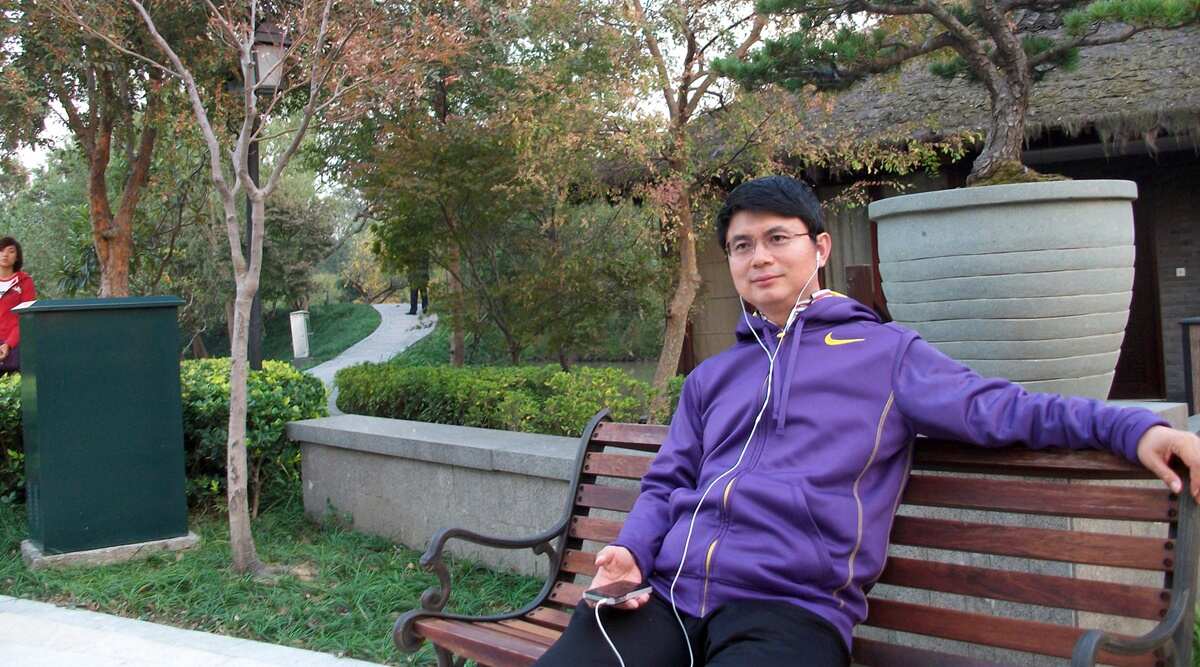
Beijing, Aug 19: A Chinese-born Canadian tycoon who disappeared from Hong Kong in 2017 was sentenced Friday to 13 years in prison for a multibillion-dollar string of financial offences and his company was fined 8.1 billion, a court announced.
Xiao Jianhua was convicted of misusing billions of dollars of deposits from banks and insurers controlled by his Tomorrow Group and offering bribes to officials, the Shanghai No. 1 Intermediate People's Court said on its social media account.
Xiao was fined 6.5 million yuan ( 950,000) and his company was fined 55 billion yuan ( 8.1 billion), the court said.
Xiao was last seen at a Hong Kong hotel in January 2017 and was believed to have been taken to the mainland by Chinese authorities. News reports later said he was under investigation by anti-graft authorities, but no details were released.
The Canadian government said diplomats were blocked from attending his July 5 trial.
Xiao was deemed to be a Chinese citizen, which meant he wasn't entitled to see Canadian diplomats under a consular treaty between the two governments, Foreign Ministry spokesperson Wang Wenbin said.
That suggested Xiao might have entered the mainland using a Chinese travel document instead of his Canadian passport. Beijing has in other cases refused diplomats access to citizens of their countries who entered using Chinese identity documents.
China does not recognise Chinese citizens with dual nationality. Xiao Jianhua has Chinese nationality, Wang said. He does not enjoy the right to consular protection of other countries.
The Canadian Embassy in Beijing referred a request for comment to the Canadian government in Ottawa.
Tomorrow Group has been linked to a series of anti-corruption prosecutions and seizures of financial companies by regulators.
Friday's announcement said Xiao and Tomorrow Group were convicted of improperly taking more than 311.6 billion yuan ( 46 billion) from the public and misused entrusted property and money totaling 148.6 billion yuan ( 21.8 billion).
Xiao vanished amid a flurry of prosecutions of Chinese businesspeople accused of misconduct.
That fuelled speculation the ruling Communist Party might be abducting people outside the mainland. Hong Kong at that time prohibited Chinese police from operating in the former British colony, which has a separate legal system.
Since then, Beijing has tightened control over Hong Kong, prompting complaints it is violating the autonomy promised when the territory returned to China in 1997. The Communist Party imposed a national security law in Hong Kong in 2020 and has imprisoned pro-democracy activists.
Hong Kong police investigated Xiao's disappearance and said he crossed the border into the mainland. An advertisement in the Ming Pao newspaper in Xiao's name the same week denied he was taken against his will.
At the time of his disappearance, Xiao was worth nearly 6 billion, making him China's 32nd wealthiest person, according to the Hurun Report, which follows the country's wealthy.
In 2020, regulators seized nine companies controlled by Xiao.
That included four insurers, two securities firms, two trust firms and a company involved in financial futures. The business magazine Caixin reported at the time that the seized assets totaled almost 1 billion yuan ( 150 million).
A retired bank regulator, Xue Jining, admitted taking 400 million yuan ( 62 million) in bribes in a corruption case linked to Baoshang Bank Ltd. in the northern region of Inner Mongolia, which regulators seized from Tomorrow in 2019.
Let the Truth be known. If you read VB and like VB, please be a VB Supporter and Help us deliver the Truth to one and all.
Four children drown in lake while trying to catch ducks in Chikkamagaluru

Chikkamagaluru: Four children drowned in a lake in Aralaguppe village after reportedly going to catch ducks, police said.
The deceased have been identified as Mahdia, Arunus, Nayus, and Abdul Rehman. The children were aged between 5 and 14 years. Another child, Armaan (4), escaped unhurt.
Police said the incident occurred at Karanji Lake in Aralaguppe village. Rural police visited the spot and are investigating the case. A case has been registered at the local rural police station.