Closely monitoring outbreak of H9N2, clusters of respiratory illness in children in China: Govt
New Delhi, Nov 24: India is prepared for any kind of exigency that may emerge from the current influenza situation in China, the government said Friday, highlighting that it is monitoring the outbreak of H9N2 and clusters of respiratory illness in children in that country.
There is a low risk to India from both the avian influenza -- H9N2-- case reported in China as well as the clusters of respiratory illness, the Union health ministry said.
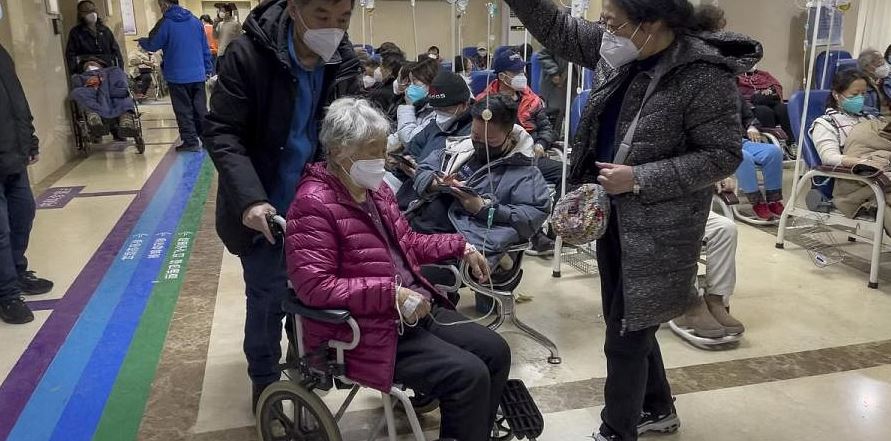
Some media reports have indicated clustering of cases of respiratory illness in children in northern China for which the World Health Organization (WHO) has also issued a statement, it said.
Based on available information, an increase in incidence of respiratory diseases in China has been reported in the last few weeks. "The usual causes of respiratory illness in children have been implicated and there has been no identification of an unusual pathogen or any unexpected clinical manifestations," the ministry said.
Recently, a meeting was held under the Directorate General of Health Services to discuss the preparedness measures against human cases of avian influenza in the country against the backdrop of a human case of H9N2 (avian influenza virus) in October in China that was reported to the WHO, it said.
"The overall risk assessment by the WHO indicates a low probability of human-to-human spread and low case fatality rate among human cases of H9N2 reported to the WHO so far. The need for strengthening surveillance among human, animal husbandry and wildlife sectors and improving coordination was recognised. India is prepared for any kind of public health exigency," the ministry added.
The WHO on Thursday said it has made an official request to China for detailed information on the spike in respiratory illnesses after Chinese health authorities reported multiple infectious respiratory diseases with surging cases of mycoplasma pneumonia and influenza flu among children.
The ministry said India is embarking on a 'One Health' approach to adopt a holistic and integrated roadmap towards addressing such public health issues. There has also been a significant strengthening of health infrastructure especially since the Covid pandemic, it said.
The PM-Ayushman Bharat Health Infrastructure Mission (PM-ABHIM) was launched by the prime minister and it is developing capacities of health systems and institutions across the continuum of care at all levels, primary, secondary and tertiary, to prepare health systems in responding effectively to the current and future pandemics and disasters, the ministry said.
In addition, India's surveillance and detection networks under Integrated Disease Surveillance Programme (IDSP) have rich experience of dealing with challenging health situations during the Covid pandemic, the ministry said.
Let the Truth be known. If you read VB and like VB, please be a VB Supporter and Help us deliver the Truth to one and all.
Man kills woman lecturer, sets car ablaze; dies by suicide in Karnataka

Bengaluru (PTI): A 46-year-old man allegedly killed a woman lecturer by setting fire to the car with her inside, before dying by suicide; his severed body was found by railway police the next day, police said on Tuesday.
The deceased, identified as Ramanjinappa, a resident of Doddaballapura, was a contract worker in the tahsildar’s office, they said.
Police said the man, who was married and had apparently separated from his wife, was in an illicit relationship with a woman identified as Saroja, whose charred body was found inside a gutted car in an isolated area near the Bashetty Industrial Area in Doddaballapura taluk on the outskirts of Bengaluru.
Saroja was also married and had a son, police said.
According to police, on Saturday, the man allegedly borrowed a car from an acquaintance, claiming he had a medical emergency and needed to visit a hospital.
Citing preliminary investigations, a senior police officer said the man picked up the lecturer from a bus stop in Devanahalli. The two spent a couple of hours driving around Nandi Hills and nearby areas.
Later, they reached a secluded spot in Doddaballapura, where it is suspected that an argument ensued inside the car, following which he allegedly hit her on the head with a hammer, the officer said.
He then set the car on fire, reportedly using petrol, and is believed to have died by suicide thereafter, police said.
Locals who saw the burning car alerted the police and fire department, who rushed to the spot, extinguished the fire, and found the woman’s body completely charred inside the vehicle, the officer added.
His severed body was found near railway tracks in Bidadi by the railway police on Sunday, he said.
The motive and whether the crime was premeditated or impulsive are under investigation, he said.
Saroja’s husband filed a complaint accusing Ramanjinappa of killing her, police said, adding that a detailed investigation is underway to establish the exact sequence of events.