Confusion reigns over Covishield on UK's travel advisory as India not on eligibility list
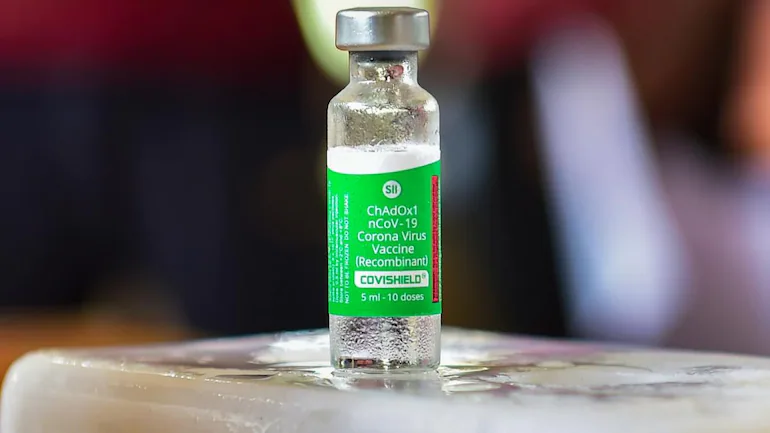
London, (PTI): There is confusion over the UK government's vaccine recognition process for Indian travellers as even though Oxford/AstraZeneca Covishield, the India-manufactured Oxford/AstraZeneca COVID-19 vaccine, is on an updated international travel advisory, India is not yet on a list of 17 approved countries.
The UK's Department of Health and Social Care (DHSC) have said on Wednesday that they are unable to confirm this and will require further clarifications even though the advisory states: Formulations of the 4 listed vaccines, such as AstraZeneca Covishield, AstraZeneca Vaxzevria and Moderna Takeda, qualify as approved vaccines.
There has been widespread condemnation of the Serum Institute of India manufactured vaccines not being included in a list of eligible COVID-19 vaccines recognised under Britain's reviewed international travel norms, effective from October 4.
From October 4, England's current traffic light system of red, amber and green countries based on levels of COVID-19 risk will be scrapped and replaced with one red list only. However, there is a lack of clarity over whether Indians vaccinated with any vaccines in India including Covishield fall within the UK's eligibility criteria or not.
We have to see how it goes. But if we do not get satisfaction we would be within our rights to impose reciprocal measures, Foreign Secretary Harsh Vardhan Shringla said in response to a question on the issue in New Delhi on Tuesday.
The basic issue is that here is a vaccine, Covishield, which is a licensed product of the UK company, manufactured in India of which we have supplied five million doses to the UK at the request of the government of the UK. We understand that this is being used under the national health system, and, therefore, non-recognition of Covishield is a discriminatory policy and does impact those of our citizens travelling to the UK, he said.
Covishield and other Indian vaccines being covered as eligible would mean that a pre-departure PCR test is no longer required as long as vaccinated travellers pre-book a day two test post-arrival in England and complete the compulsory passenger locator form in advance.
From October 4, travellers from 17 additional countries with eligible vaccines, including Australia, Japan, Singapore and Malaysia, will fall under the UK's list of recognised jabs of Oxford/AstraZeneca, Pfizer BioNTech, Moderna or Janssen vaccines. The DHSC has said this list is reviewed fortnightly.
So far it means, under the new rules from October 4, travellers from India must take a COVID test three days before departure and book in advance for two COVID tests to be taken upon arrival in England. On arrival in England, the passengers must self-isolate in the place they have confirmed on their passenger locator form for 10 days.
A privately paid-for "Test to Release" option does exist at day five, which allows an early end to the 10-day quarantine with a negative PCR test.
The Indian government has said it is working with several countries to recognise India's vaccine certification on a mutual reciprocal basis .
Let the Truth be known. If you read VB and like VB, please be a VB Supporter and Help us deliver the Truth to one and all.
Congress’ Umesh Meti wins Bagalkot bypoll

Bagalkot: The Congress has secured a victory in the Bagalkot Assembly by-election, with its candidate Umesh Meti winning the seat after maintaining a lead from the first round of counting till the end.
The seat had fallen vacant following the death of sitting MLA H Y Meti. Umesh Meti, his son, has now been elected to the Assembly.
Party leaders attributed the victory to a combination of factors, including sympathy votes, the state government’s schemes, and campaign strategies led by Chief Minister Siddaramaiah and senior leader Satish Jarkiholi.
The Congress maintained a consistent lead throughout the counting process, eventually securing a decisive win in the constituency.