COVID-19 pandemic 'a long way from over', says WHO chief
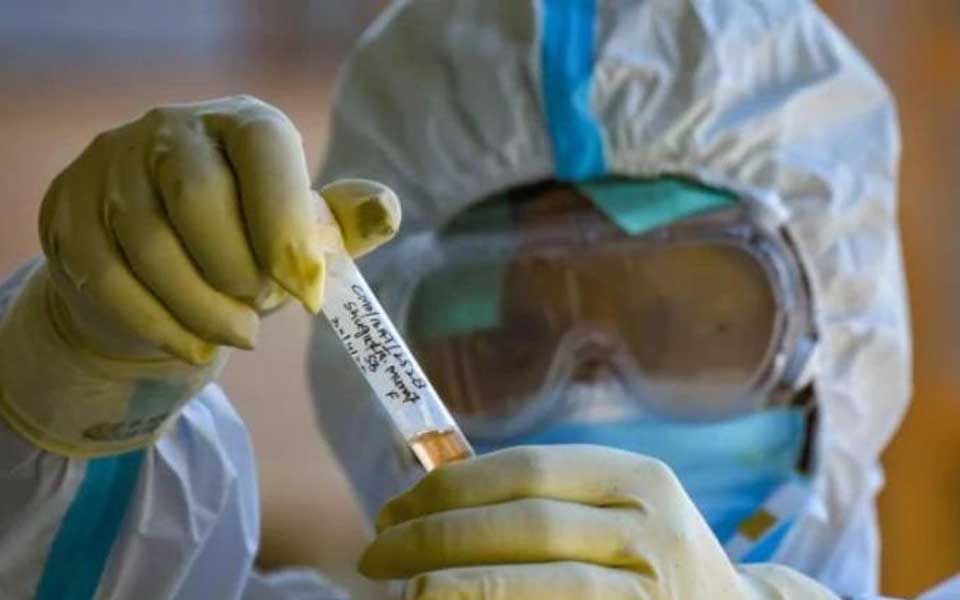
United Nations: Even though more than 780 million doses of COVID-19 vaccine have now been administered globally, the pandemic is "a long way from over" but it can be brought under control in months with proven public health measures, WHO chief Tedros Adhanom Ghebreyesus has said.
The coronavirus, which emerged first in central China's Wuhan city in December 2019, has infected more than 136,500,400 people and killed over 2,944,500 people across the world.
In January and February, the world saw six consecutive weeks of declining cases. We have now seen seven consecutive weeks of increasing cases, and four weeks of increasing deaths. Last week was the fourth-highest number of cases in a single week so far. Several countries in Asia and the Middle East have seen large increases in cases, WHO Director-General Ghebreyesus said.
Speaking to reporters in Geneva, he said while more than 780 million doses of vaccine have now been administered globally, vaccines are a powerful tool but not the only tool.
Physical distancing works. Masks work. Hand hygiene works. Ventilation works. Surveillance, testing, contact tracing, isolation, supportive quarantine and compassionate care they all work to stop infections and save lives, he added.
He voiced concern that confusion, complacency and inconsistency in public health measures and their application are driving transmission and costing lives. Cautioning that the disease is not flu, he said young, healthy people have died from the coronavirus.
And we still don't fully understand the long-term consequences of infection for those who survive. Some people appear to be taking the approach that if they are relatively young, it doesn't matter if they get COVID-19.
Warning that the pandemic is a long way from over, Ghebreyesus said the world has many reasons for optimism.
The decline in cases and deaths during the first two months of the year shows that this virus and its variants can be stopped.
With a concerted effort to apply public health measures alongside equitable vaccination, we could bring this pandemic under control in a matter of months, he said adding that whether we do or not comes down to the decisions and the actions that governments and individuals make every day. The choice is ours.
The top WHO official noted that currently, global manufacturing is insufficient to deliver quick, equitable vaccines and other essential health products. Tedros stressed the importance of investing in sustainable and secure domestic manufacturing capacity and national regulatory authorities , asserted that what can be done today, should be done today .
Noting that WHO and its partners have established a COVAX manufacturing taskforce, to increase supply and build a sustainable vaccine manufacturing platform, he said the UN agency's technical assistance is available in assessing the feasibility of local production and to access technology and know-how.
Let the Truth be known. If you read VB and like VB, please be a VB Supporter and Help us deliver the Truth to one and all.
Allahabad HC orders probe into 'reinstatement' of teacher in UP's Barabanki
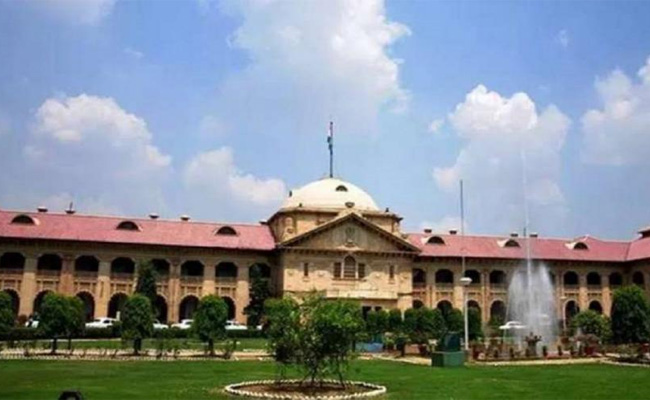
Lucknow (PTI): The Lucknow Bench of the Allahabad High Court on Friday ordered a probe by the special task force (STF) into alleged irregularities in the rejoining of a teacher at City Intermediate College in Barabanki, observing that the reinstatement appeared to be prima facie illegal.
The court also directed the recovery of the salary paid to the teacher during the disputed period.
A bench of Justice Rajeev Singh passed the order on a petition filed by the college management committee. The court expressed doubts over the roles of the District Inspector of Schools (DIOS), Barabanki, the college principal and the teacher concerned and hence, directed a detailed inquiry into the matter.
Taking note of alleged manipulation of records and misleading submissions, the court ordered the immediate transfer of the Barabanki DIOS to ensure a fair probe. It also directed the initiation of disciplinary proceedings against the then joint director of education of the Ayodhya division.
In its order, the court found that the teacher, Abhay Kumar, was initially appointed as an assistant teacher in 2018 but joined an Eklavya Model Residential School in Chhattisgarh as a lecturer in June 2024 without obtaining permission from the management. His subsequent request to retain the lien was rejected.
Despite this, he was allowed to rejoin the Barabanki College in September 2025 on the directions of the joint director of education and the DIOS, and was even paid the salary for October 2025. The court termed the rejoining "wholly illegal" and lacking any legal basis.
The bench also expressed concern over lapses in communication within the education department and directed the Uttar Pradesh chief secretary to ensure that official orders are communicated through email and WhatsApp as well, to prevent disputes.
The matter is next listed for hearing on May 28 when a compliance report is sought.