COVID-19 pandemic will push 47 million more women, girls into extreme poverty by 2021: UN
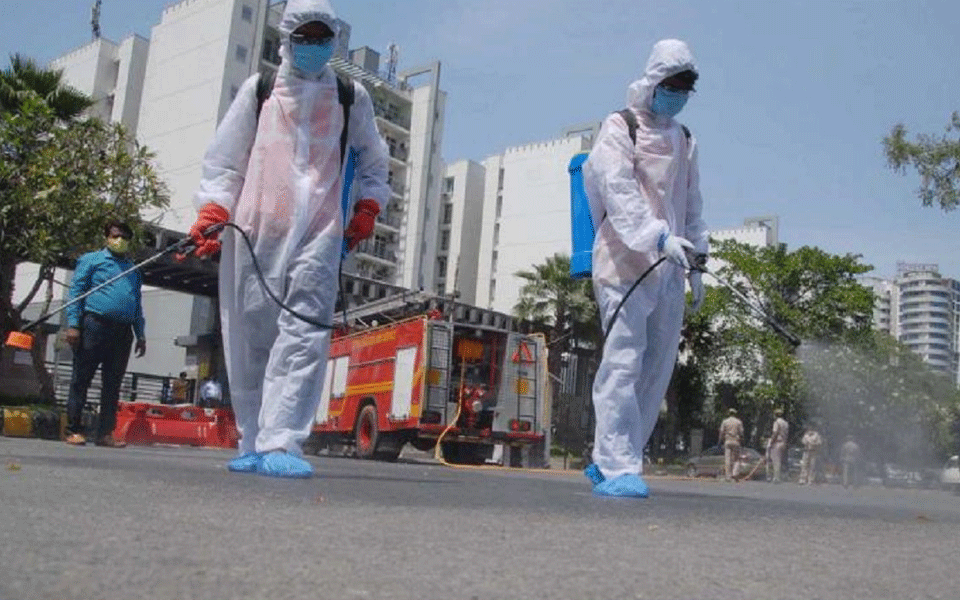
United Nations: The COVID-19 pandemic will disproportionately affect women and push 47 million more women and girls into extreme poverty by 2021, reversing decades of progress to lift this demographic above the poverty line, according to new data released by the UN.
The new analysis by the UN Women and the UN Development Programme (UNDP) said the COVID-19 crisis will dramatically increase the poverty rate for women and widen the gap between men and women who live in poverty.
The poverty rate for women was expected to decrease by 2.7 per cent between 2019 and 2021, but projections now point to an increase of 9.1 per cent due to the pandemic and its fallout.
The pandemic will push 96 million people into extreme poverty by 2021, 47 million of whom are women and girls. This will increase the total number of women and girls living in extreme poverty to 435 million, with projections showing that this number will not revert to pre-pandemic levels until 2030, the UN agencies said.
The projections show that while the pandemic will impact global poverty generally, women will be disproportionately affected, especially women of reproductive age. By 2021, for every 100 men aged 25 to 34 living in extreme poverty (living on USD 1.90 a day or less), there will be 118 women, a gap that is expected to increase to 121 women per 100 men by 2030.
The increases in women's extreme poverty are a stark indictment of deep flaws in the ways we have constructed our societies and economies, UN Women Executive Director Phumzile Mlambo-Ngcuka said.
We know that women take most of the responsibility for caring for the family; they earn less, save less and hold much less secure jobs in fact, overall, women's employment is 19 per cent more at risk than men's, Mlambo-Ngcuka added.
She said that the evidence of multiple inequalities is critical to driving swift, restorative policy action that puts women at the heart of pandemic recovery.
While the pandemic has posed a serious threat to the prospects of eradicating extreme poverty by the end of this decade, the reality is even grimmer as these projections of increased poverty rates for women and girls only account for the downward revision of the gross domestic product (GDP), excluding other factors such as women leaving the workforce due to childcare responsibilities that may also affect the sex distribution of poverty.
More than 100 million women and girls could be lifted out of poverty if governments implement a comprehensive strategy aimed at improving access to education and family planning, fair and equal wages, and expanding social transfers, UNDP Administrator Achim Steiner said.
He noted with concern that women are bearing the brunt of the COVID-19 crisis as they are more likely to lose their source of income and less likely to be covered by social protection measures.
Investing in reducing gender inequality is not only smart and affordable but also an urgent choice that governments can make to reverse the impact of the pandemic on poverty reduction, he added.
The fallout of the pandemic will shift forecasts of extreme poverty across regions.
The report said that Central and Southern Asia and sub-Saharan Africa (where 87 per cent of the world's extreme poor live) will see the largest increases in extreme poverty, with an additional 54 million and 24 million people, respectively, living below the international poverty line as a result of the pandemic.
The expected rise of poverty in South Asia as a result of the economic fallout of the pandemic showcases the vulnerability of women and girls living in households that have only recently been able to escape poverty, it said.
The pre-pandemic female poverty rate in South Asia was projected to be 10 per cent in 2021 but is now expected to reach 13 per cent.
Moreover, before the pandemic, projections for the region suggested that by 2030 only 15.8 per cent of the world's poor women and girls would be living in South Asia. The revised projections now put that figure at 18.6 per cent.
Significantly more women than men in South Asia will be affected. In the 25-34 age group, there will be 118 poor women for every 100 poor men in that region, and that ratio will increase to 129 women for every 100 men by 2030, the data said.
The report noted that while these figures are alarming, the study estimates it would take just 0.14 per cent of global GDP - USD 2 trillion - to lift the world out of extreme poverty by 2030; and USD 48 billion to close the gender poverty gap. However, the real number could end up being much higher, especially if governments fail to act or act too late.
The unabated rise of other pre-existing gender inequalities will also impact these figures. Women are employed in some of the most affected sectors, like accommodation, food services, and domestic work. They have been particularly vulnerable to layoffs and loss of livelihood.
Recommendations to prevent women from falling behind permanently because of the pandemic range from addressing occupational segregation, gender pay gaps and inadequate access to affordable childcare to introducing economic support packages for vulnerable women to countries increasing social protection measures targeting women and girls and expanding research and data available on the gendered impacts of COVID-19.
Let the Truth be known. If you read VB and like VB, please be a VB Supporter and Help us deliver the Truth to one and all.
Manipur: Mortal remains of children killed in bomb attack handed over to family
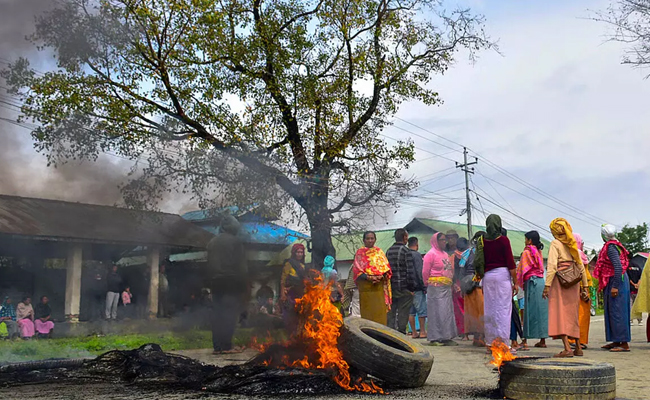
Imphal (PTI): The mortal remains of two children, who were killed in a bomb attack in Manipur's Bishnupur district in April, were handed over to family members on Saturday, officials said.
The bodies of the five-year-old boy and his six-month-old sister were kept in the morgue for 25 days, as the family members had refused to accept the mortal remains, demanding that the perpetrators be brought to book at the earliest.
On April 25, Chief Minister Y Khemchand Singh had appealed to the family members of the children to accept the bodies. Singh had also said that all efforts were underway to find the culprits.
The two children were killed in a bomb attack at Tronglaobi in Bishnupur district on April 7. Their bodies were kept in the morgue at the Regional Institute of Medical Sciences in Imphal.
The incident had triggered widespread violent protests in the five valley districts of Manipur, and the case was subsequently handed over to the NIA.
Hundreds of people lined up along the way to Tronglaobi to offer floral tributes, as the mortal remains were taken for the last rites in an open vehicle earlier in the day.