Covid pandemic caused biggest decrease in life expectancy since World War II: Oxford study
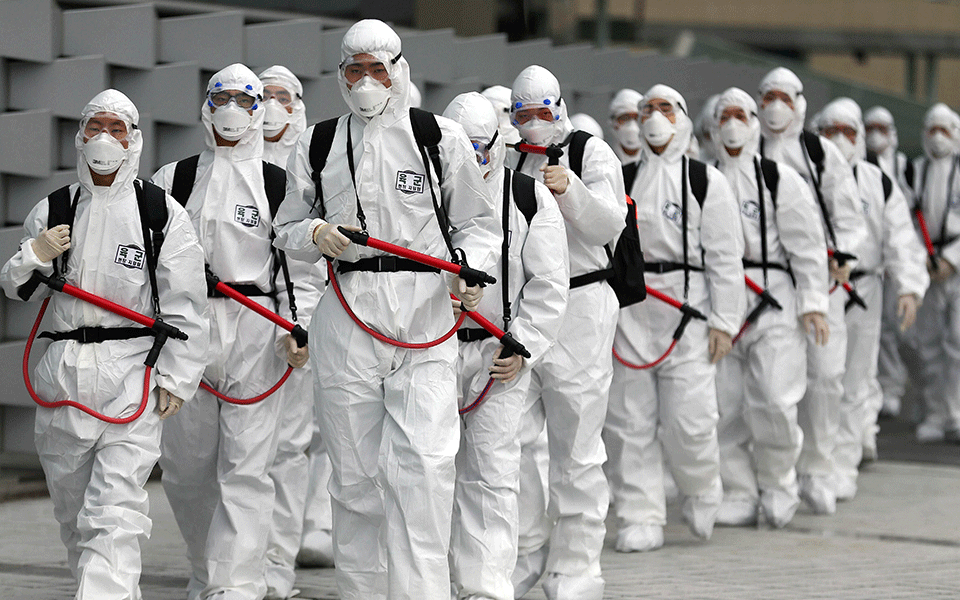
London(PTI): The COVID-19 pandemic led to biggest decrease in life expectancy since the World War II, and wiped out years of progress on mortality, according to a study published on Monday by the University of Oxford.
The research team assembled an unprecedented dataset on mortality from 29 countries, spanning most of Europe, the US and Chile -- countries for which official death registrations for 2020 had been published.
The study, published in the International Journal of Epidemiology, found that 27 of the 29 countries saw reductions in life expectancy in 2020, and at a scale which wiped out years of progress on mortality.
Women in 15 countries and men in 10 countries were found to have a lower expectancy at birth in 2020 than in 2015, a year in which life expectancy was already negatively affected by a significant flu season.
"For Western European countries such as Spain, England and Wales, Italy, Belgium, among others, the last time such large magnitudes of declines in life expectancy at birth were observed in a single year was during WW-II," said study's co-lead author Jose Manuel Aburto, from Oxford's Leverhulme Center for Demographic Science (LCDS).
"However, the scale of the life expectancy losses was stark across most countries studied, with 22 countries included in the study experiencing larger losses than half a year in 2020," Aburto said.
The researchers noted that females in eight countries and males in 11 countries experienced losses larger than a year.
It took on average 5.6 years for these countries to achieve a one-year increase in life expectancy recently, while the progress was wiped out over the course of 2020 by COVID-19, they said.
Life expectancy, also known as period life expectancy, refers to the average age to which a newborn lives if current death rates continued for their whole life. It does not predict an actual lifespan.
Across most of the 29 countries, males saw larger life expectancy declines than females, according to the researchers.
The largest declines in life expectancy were observed among males in the US, who saw a decline of 2.2 years relative to 2019 levels, followed by Lithuanian males (1.7 years), they said.
"The large declines in life expectancy observed in the US can partly be explained by the notable increase in mortality at working ages observed in 2020," said study co-lead author, Ridhi Kashyap from LCDS.
"In the US, increases in mortality in the under 60 age group contributed most significantly to life expectancy declines, whereas across most of Europe increases in mortality above age 60 contributed more significantly," Kashyap said.
The team's analysis also shows that most life expectancy reductions across different countries were attributable to official COVID-19 deaths.
"While we know that there are several issues linked to the counting of COVID-19 deaths, such as inadequate testing or misclassification, the fact that our results highlight such a large impact that is directly attributable to COVID-19 shows how devastating a shock it has been for many countries," Kashyap said.
"We urgently call for the publication and availability of more disaggregated data from a wider-range of countries, including low- and middle-income countries, to better understand the impacts of the pandemic globally," she added.
Let the Truth be known. If you read VB and like VB, please be a VB Supporter and Help us deliver the Truth to one and all.
Congress’ Umesh Meti wins Bagalkot bypoll
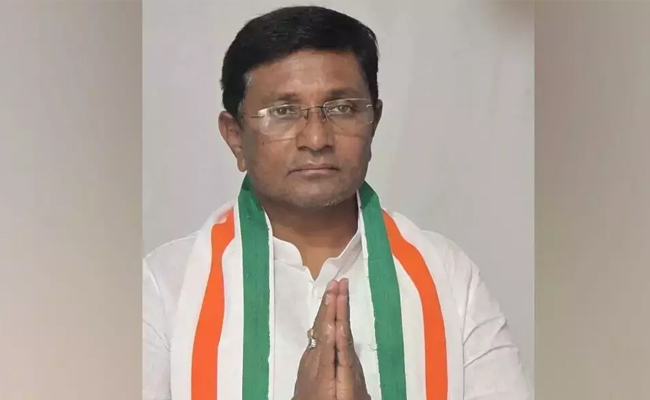
Bagalkot: The Congress has secured a victory in the Bagalkot Assembly by-election, with its candidate Umesh Meti winning the seat after maintaining a lead from the first round of counting till the end.
The seat had fallen vacant following the death of sitting MLA H Y Meti. Umesh Meti, his son, has now been elected to the Assembly.
Party leaders attributed the victory to a combination of factors, including sympathy votes, the state government’s schemes, and campaign strategies led by Chief Minister Siddaramaiah and senior leader Satish Jarkiholi.
The Congress maintained a consistent lead throughout the counting process, eventually securing a decisive win in the constituency.