Dam on upper reaches Brahmaputra will not impact India, Bangladesh: China
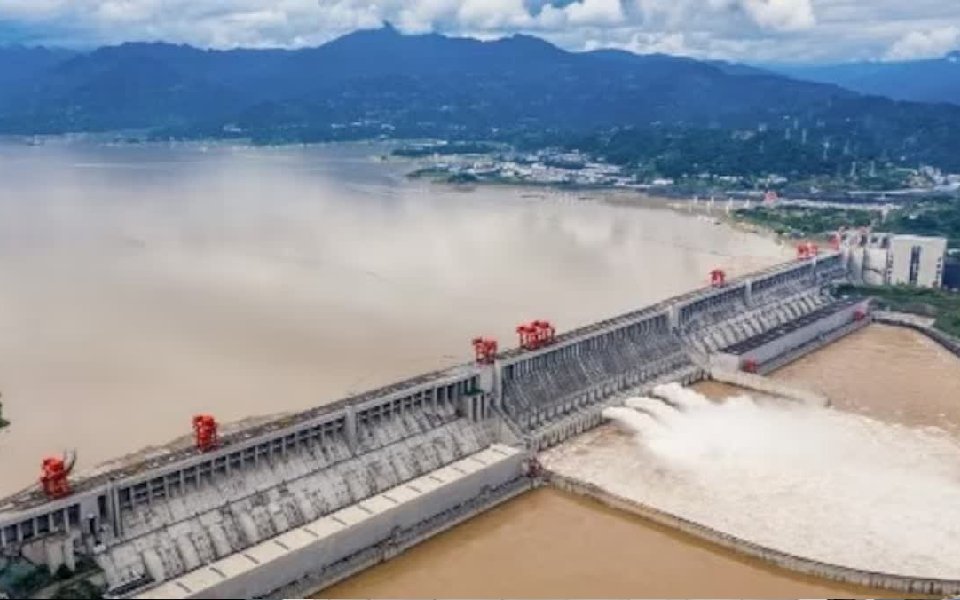
Beijing, Jul 23 (PTI): China on Wednesday defended the launch of the construction of a dam over the Brahmaputra river in the ecologically sensitive Tibet region and allayed concerns over its impact in the lower riparian countries such as India and Bangladesh.
It is learnt that India is keeping a close eye on the construction of what is said to be the world's largest hydropower dam.
Chinese Premier Li Qiang on Saturday announced the start of the construction of the dam in the lower reaches of the Brahmaputra River, locally known as Yarlung Zangbo, at Nyingchi City located close to the Line of Actual Control (LAC) in the Arunachal Pradesh sector.
The project "will not have any negative impact on the downstream regions", Chinese Foreign Ministry spokesperson Guo Jiakun said at a media briefing, while responding to a question on concerns in India and Bangladesh over the dam.
There have been mounting concerns in India over the potential environmental impact of the dam.
Arunachal Pradesh Chief Minister Pema Khandu recently called it a ticking "water bomb", an existential threat and a bigger issue than anything else apart from the military threat.
In an interview to PTI Videos on July 8, Khandu said the world's largest dam project on the Brahmaputra river is a matter of grave concern as China is not a signatory to the international water treaty that could have forced it to abide by international norms.
"The issue is that China cannot be trusted. No one knows what they might do," said Khandu.
The dam is expected to generate more than 300 billion kWh of electricity each year, enough to meet the annual needs of over 300 million people.
Concerns arose in India as the dam besides empowering China to control the water flow, the size and scale of it could also enable Beijing to release large amounts of water that could flood border areas on the Indian side.
Playing down the concerns of the lower riparian states, Guo said China has cooperated with them by sharing hydrological data, flood prevention and disaster alleviation.
China had necessary communication with the two countries on the project, he said, adding that China would continue to enhance cooperation with downstream countries to benefit the people along the river.
The Chinese foreign ministry spokesperson said the development of the project in the lower reaches of the Yarlung Zangbo River is a matter of China’s sovereignty.
The project was aimed at building clean energy, improving local people’s lives and in response to climate change, he added.
In the planning, design and construction of the hydro power projects in the lower reaches, China strictly follows the highest industrial standards in protecting ecological environment in an all-round way, he said.
He also claimed that the development of the project will help prevent disasters along the whole river and will not have a negative impact on the downstream regions.
China has already operationalised the USD 1.5 billion Zam Hydropower Station, the largest in Tibet, in 2015, which raised concerns in India.
Critics point out that the dams in Brahmaputra present an enormous engineering challenges as the project site is located along a tectonic plate boundary where earthquakes occur frequently.
The Tibetan plateau, regarded as the roof of the world, periodically experiences earthquakes as it is located over the tectonic plates.
India and China established the Expert Level Mechanism (ELM) in 2006 to discuss various issues related to trans-border rivers under which China provides India with hydrological information on the Brahmaputra and Sutlej rivers during the flood seasons.
However, the sharing of hydrological data between the two countries hit a roadblock following the eastern Ladakh border row.
Data sharing of trans-border rivers figured in the talks between India, China Special Representatives (SRs) for border question, NSA Ajit Doval and Chinese Foreign Minister Wang Yi, held here on December 18 last year.
Reports from Dhaka said the Chinese envoy to Bangladesh Yao Wen has assured that its dam is solely for electricity generation and will not affect water flow to downstream countries.
Yao conveyed the message during a meeting with Bangladesh Foreign Affairs Adviser Md Touhid Hossain during their meeting on July 21.
"China will not withdraw or use any water from the project and the project will not affect downstream countries," he was quoted as saying in a media report.
Let the Truth be known. If you read VB and like VB, please be a VB Supporter and Help us deliver the Truth to one and all.
India-bound LPG tanker clears Hormuz
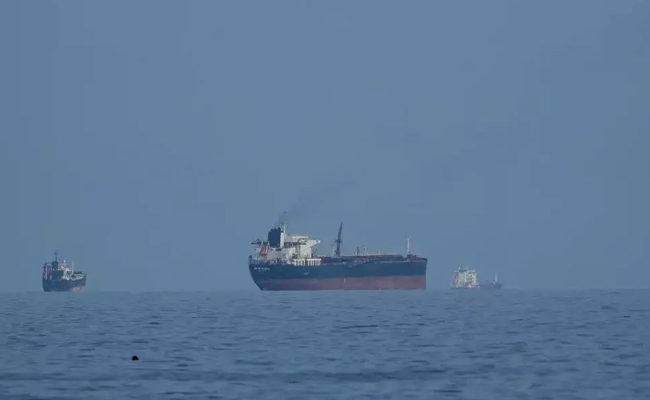
New Delhi (PTI): A tanker carrying liquefied petroleum gas (LPG) for India has sailed out of the Strait of Hormuz and is now headed towards the country, an official statement said on Sunday.
The Marshall Islands-flagged LPG carrier MT Sarv Shakti, loaded with 46,313 tonnes of LPG and staffed by 20 crew, including 18 Indians, cleared the key shipping chokepoint on May 2 and is expected to reach Visakhapatnam on May 13, it said.
The cargo -- enough to meet half a days requirement of the country -- will partly tide over supply constraints being faced since the start of the West Asia conflict more than two months back.
Ship-tracking data showed its position in Oman Gulf on Sunday evening.
The very large gas carrier has previously made runs between the Persian Gulf and Indian ports, has been chartered by state-owned Indian Oil Corporation (IOC).
Sarv Shakti is the first India-linked tanker to cross the war zone since a weeks-old US blockade of ships tied to Iran began, pushing transits through Hormuz back down to almost zero.
There are as many as 14 Indian flagged or India-owned vessels still stranded on the west side of the Strait of Hormuz.
The statement said no incident involving Indian-flagged vessels has been reported in the past 24 hours. The Ministry of Ports, Shipping and Waterways is working closely with the Ministry of External Affairs, Indian missions and maritime stakeholders to ensure crew welfare and uninterrupted operations.
The Directorate General of Shipping (DG Shipping) control room has handled 8,373 calls and more than 17,965 emails since activation, including 38 calls and 127 emails in the last 24 hours.
India has also facilitated the repatriation of more than 2,953 seafarers so far, including 31 in the past day from across the Gulf region.
Port operations across the country remain normal with no congestion reported, the statement added.