Diver dies in search for Lion Air crash victims
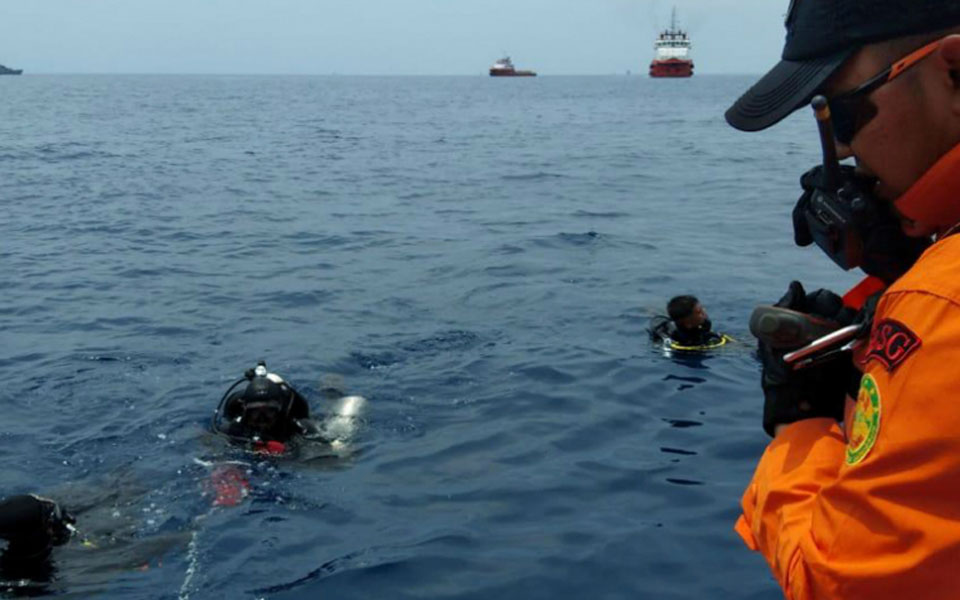
Jakarta, Nov 3 : An Indonesian diver died while recovering body parts from the ill-fated Lion Air plane which crashed into the sea killing 189 people, an official said Saturday.
Syachrul Anto, 48, who died on Friday, was part of the team searching for body parts and debris from the jet in the Java Sea.
"He was a volunteer with the Search and Rescue Agency," Isswarto, commander of the Indonesian navy's search and rescue division, told AFP.
It is believed he died from decompression, he added.
Anto had previously served in Palu which suffered from an earthquake and tsunami in September and also took part in the evacuation process of an Air Asia plane crash nearly four years ago.
The Lion Air plane which plummeted Monday was on route from Jakarta to Pangkal Pinang city on Sumatra island.
It plunged into the water just minutes after takeoff, killing everyone on board.
Officials on Thursday retrieved the Flight Data Recorder but are still searching for the second black box, the Cockpit Voice Recorder, which could answer the question as to why the brand new Boeing-737 MAX 8 crashed.
The budget carrier's admission that the doomed jet had a technical issue on a previous flight -- as well its abrupt fatal dive -- have raised questions about whether it had mechanical faults specific to the new model.
At least 73 bags containing body parts have been retrieved from the waters so far but only four have been identified.
Founded in 1999, Lion Air is a budget airline operating in Indonesia and in some parts of Southeast Asia, Australia and the Middle East.
But it has been plagued by safety concerns and customer complaints over unreliable scheduling and poor service.
The carrier has been involved in a number of incidents including a fatal 2004 crash and a collision between two Lion Air planes at Jakarta's Soekarno-Hatta airport.
Let the Truth be known. If you read VB and like VB, please be a VB Supporter and Help us deliver the Truth to one and all.
Mumbai-Pune Expressway connecting link now fully operational
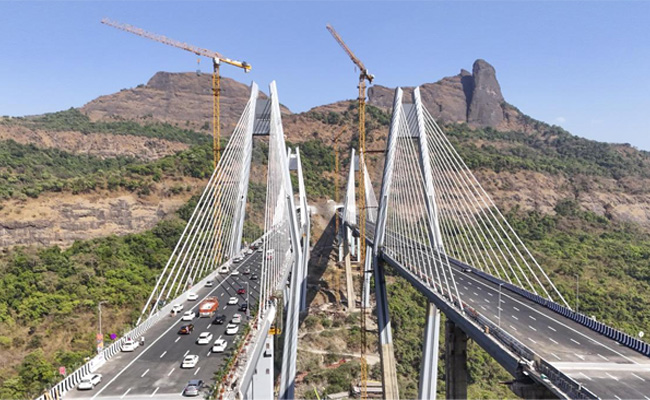
Mumbai (PTI): The Mumbai-bound carriageway of the Mumbai-Pune Expressway connecting link was opened to vehicular traffic on Saturday noon after a delay caused by the dismantling of inauguration infrastructure and cleaning work, a day after the Pune section became operational.
The 13.3 km-long "missing link", which bypasses a section of the Bhor Ghat stretch of the expressway and cuts travel time between Mumbai and Pune by 25 to 30 minutes, was inaugurated a day earlier by Chief Minister Devendra Fadnavis in the presence of Deputy CMs Eknath Shinde and Sunetra Pawar.
The Pune-bound carriageway of the corridor was opened to traffic immediately; however, the Mumbai-bound section remained closed to traffic for several hours after the inauguration.
An official of the Maharashtra State Road Development Corporation told PTI on Saturday that the opening of the Mumbai-bound carriageway was delayed mainly due to the dismantling of the inauguration infrastructure and cleaning work.
The removal of the stage and other decorations was completed in the morning. The work to load and transport the material slightly delayed the opening of the carriageway.
Vehicular movement on the carriageway began after all the remaining material was cleared and road cleaning was completed, the official added.
The expressway control room said that despite significant vehicular movement, the access-controlled highway has not witnessed any major traffic snarls since Friday evening, after the Pune-bound carriageway of the missing link was opened to traffic.
The Missing Link project connects Khopoli (in Raigad) on the Mumbai side to Kusgaon near Lonavala in Pune district and is expected to make the expressway fully access-controlled, easing congestion in the ghat section.
Developed by the MSRDC and dubbed an "engineering marvel", the project includes two tunnels, two viaducts and a cable-stayed bridge over Tiger Valley. It bypasses the steep, accident-prone ghat section, where frequent traffic snarls are reported during weekends and on public holidays.