Donald Trump accuses India of imposing tariffs on American products; says 'no longer acceptable'
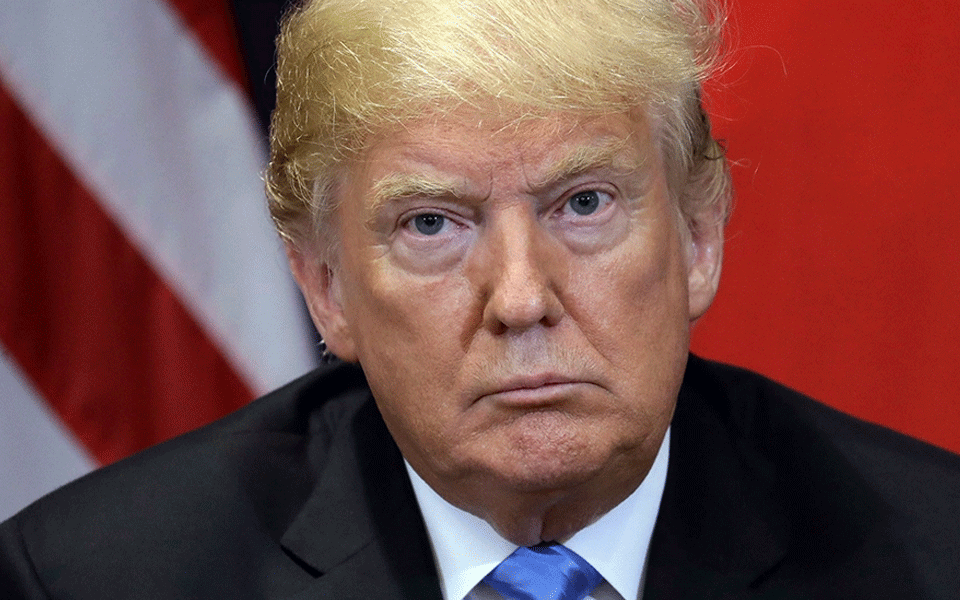
Washington, Jul 9: US President Donald Trump Tuesday launched a fresh attack on India for imposing tariffs on American products and said it was "no longer acceptable", days after he held talks with Prime Minister Narendra Modi and agreed to sort out the trade related issues.
Trump, championing his 'America First' policy, has been a vocal critic of India for levying "tremendously high" duties on US products.
"India has long had a field day putting Tariffs on American products. No longer acceptable!" Trump tweeted on Tuesday.
Trump's terse comment within a fortnight after his meeting with Prime Minister Modi on the sidelines of the G20 Summit in Osaka on June 28 where the two leaders aired their concerns over the bilateral trade disputes and agreed for a meeting of their commerce ministers to sort out the issues.
Later this week, US Commerce Secretary Wilbur Ross and Energy Secretary Rick Perry are scheduled to address a major India centric conference in Washington DC.
Though trade is an important part of the booming bilateral relationship, a row over market access and tariffs has escalated in recent months, leading to fears of a protracted dispute.
Before his meeting with Modi, Trump tweeted, "I look forward to speaking with Prime Minister Modi about the fact that India, for years having put very high Tariffs against the United States, just recently increased the Tariffs even further. This is unacceptable and the Tariffs must be withdrawn!"
India has raised tariffs on 28 items, including almond, pulses and walnut, exported from the US in retaliation to America's withdrawal of preferential access for Indian products.
Trump has also criticised India's high import tariff on the iconic Harley Davidson motorcycles as "unacceptable".
President Trump terminated India's designation as a beneficiary developing nation under the key GSP trade programme from June 5 after determining that New Delhi has not assured the US that it will provide "equitable and reasonable access" to its markets.
The Generalized System of Preference (GSP) is the largest and oldest US trade preference programme and is designed to promote economic development by allowing duty-free entry for thousands of products from designated beneficiary countries.
The Trump administration wants India to lower the trade barriers and embrace "fair and reciprocal" trade.
Last February, India slashed the customs duty on imported motorcycles like Harley-Davidson to 50 per cent after Trump called it "unfair" and threatened to increase the tariff on import of Indian bikes to the US.
The government on June 21 last year decided to impose these duties in retaliation to the US decision of significantly hiking customs duties on certain steel and aluminium products. America, in March last year, imposed 25 per cent tariff on steel and a 10 per cent import duty on aluminium products.
Many US companies like Google, Mastercard, Visa and Amazon have raised concerns over the issue of data localisation and its impact on their operational cost.
In April last year, the Reserve Bank of India had issued a directive on 'Storage of Payment System Data'. It had advised all system providers to ensure that within a period of six months, the entire data relating to payment systems operated by them is stored in a system only in India, for effective monitoring.
India has also dragged the US to the World Trade Organisation's dispute settlement mechanism over the imposition of import duties on steel and aluminium.
India's exports to the US in 2017-18 stood at USD 47.9 billion, while imports were at USD 26.7 billion. The trade balance is in favour of India.
Let the Truth be known. If you read VB and like VB, please be a VB Supporter and Help us deliver the Truth to one and all.
Sakleshpur: Man on way to his pre-wedding shoot dies on spot as car hits tree
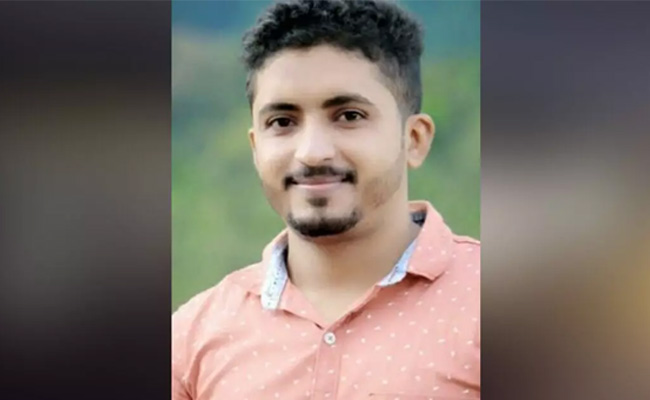
Sakleshpur: In a tragic incident reported from the taluk, a 28-year-old man who was on the way to his pre-wedding shoot died as his car rammed into a roadside tree.
The deceased groom, identified as Manu LN, was a resident of Darbarpet in Lakkunda village, Belur taluk, and was to get married on May 10.
Manu was traveling in his car to get his bride for the shoot when he lost control over the car near Moogali of Sakleshpur taluk and the vehicle hit a tree beside the road.
Manu is learned to have died on the spot due to the impact of the collision.