Elon Musk says he's terminating $44B Twitter buyout deal
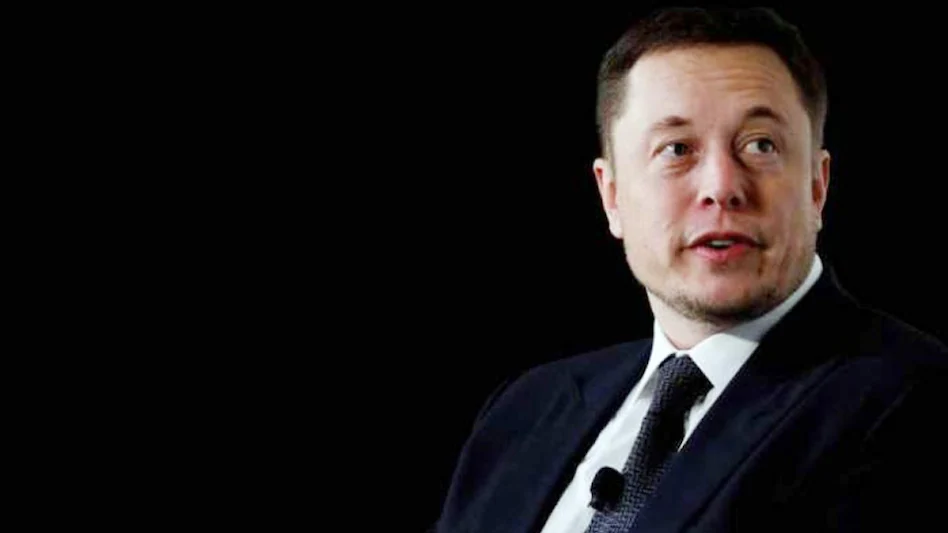
San Francisco (AP): Elon Musk's tumultuous 44 billion bid to buy Twitter is on the verge of collapse after the Tesla CEO sent a letter to Twitter's board Friday saying he is terminating the acquisition.
Twitter did not immediately respond to a message for comment. It is not entirely clear whether Twitter's board will accept the 1 billion breakup fee or if there will be a court battle over the deal.
The possible unraveling of the deal is just the latest twist in a saga between the world's richest man and one of the most influential social media platforms. Much of the drama has played out on Twitter, with Musk who has more than 95 million followers lamenting that the company was failing to live up to its potential as a platform for free speech.
On Friday, shares of Twitter fell 5% to 36.81, well below the 54.20 that Musk had offered to pay. Shares of Tesla, meanwhile, climbed 2.5% to 752.29.
In a letter to the Securities and Exchange Commission, Musk said Twitter has not complied with its contractual obligations surrounding the deal, namely giving Musk enough information to make an independent assessment of the prevalence of fake or spam accounts on Twitter's platform.
Musk's flirtation with buying Twitter appeared to begin in late March. That's when Twitter has said he contacted members of its board including co-founder Jack Dorsey and told them he was buying up shares of the company and interested in either joining the board, taking Twitter private or starting a competitor. Then, on April 4, he revealed in a regulatory filing that he had became the company's largest shareholder after acquiring a 9% stake worth about 3 billion.
At first, Twitter offered Musk a seat on its board. But six days later, Twitter CEO Parag Agrawal tweeted that Musk will not be joining the board after all. His bid to buy the company came together quickly after that.
Musk had agreed to buy Twitter for 54.20 per share, inserting a 420 marijuana reference into his offer price. He sold roughly 8.5 billion worth of shares in Tesla to help fund the purchase, then strengthened his commitments of more than 7 billion from a diverse group of investors including Silicon Valley heavy hitters like Oracle co-founder Larry Ellison.
Inside Twitter, Musk's offer was met with confusion and falling morale, especially after Musk publicly criticized one of Twitter's top lawyers involved in content-moderation decisions.
As Twitter executives prepared for the deal to move forward, the company instituted a hiring freeze, halted discretionary spending and fired two top managers. The San Francisco company has also been laying off staff, most recently part of its talent acquisition team.
Let the Truth be known. If you read VB and like VB, please be a VB Supporter and Help us deliver the Truth to one and all.
3 women die after giant tree falls on them in Odisha’s Koraput

Koraput (PTI): Three women died and another was injured after a giant tree fell on them following thunderstorms in Odisha’s Koraput district, police said on Tuesday.
The incident took place on Monday evening when they were in a market at Pedabayalu in Nandapur block near the Andhra-Odisha border.
The tree was uprooted due to strong winds amid rain and thunderstorms, a police officer said.
Two women died on the spot and another in hospital, he said.
Nandapur BDO Durga Prasad Dora and MLA Rama Chandra Kadam visited the spot, and assured the victims’ families of government support.