European Union nations clinch $2.1 trillion budget, virus aid deal
Brussels: Weary but relieved, European Union leaders finally clinched a deal on an unprecedented 1.8 trillion-euro (2.1 trillion) budget and coronavirus recovery fund early Tuesday, somehow finding unity after four days and nights of fighting and wrangling over money and power in one of their longest summits ever.
With masks and hygienic gel everywhere at the summit, the 27 leaders were constantly reminded of the potent medical and economic threat the virus poses to their continent, and grudgingly committed to a costly, massive aid package for those hit hardest by COVID-19.
Extraordinary events, and this is the pandemic that has reached us all, also require extraordinary new methods, German Chancellor Angela Merkel said.
To confront the biggest recession in its history, the EU will establish a 750 billion-euro coronavirus fund, partly based on common borrowing, to be sent as loans and grants to the hardest-hit countries. That comes on top of the seven-year, 1 trillion-euro EU budget that leaders had been haggling over for months even before the pandemic.
The consequences will be historic," French President Emmanuel Macron said.
We have created a possibility of taking up loans together, of setting up a recovery fund in the spirit of solidarity," a sense of sharing debt that would have been unthinkable not so long ago.
Merkel said, We have laid the financial foundations for the EU for the next seven years and came up with a response to this arguably biggest crisis of the European Union."
With Macron and Merkel negotiating as the closest of partners, the traditionally powerful Franco-German alliance struggled for days to get the quarreling nations in line. But, even walking out of a negotiating session in protest together over the weekend, the two leaders bided their time and played their cards right.
When Germany and France stand together, they can't do everything. But if they don't stand together, nothing is possible," said Macron, challenging anyone in the world who criticized the days of infighting to think of a comparable joint endeavour.
There are 27 of us around the table and we managed to come up with a joint budget. What other political space in the world is capable of that? None other," Macron said.
At first, Merkel and Macron wanted the grants to total 500 billion euros, but the so-called frugals five wealthy northern nations led by the Netherlands wanted a cut in such spending and strict economic reform conditions imposed.
The figure was brought down to 390 billion euros, while the five nations also got guarantees that grants had to be linked to economic reforms.
There is no such thing as perfection, but we have managed to make progress, Macron said.
The summit at the urn-shaped Europa Center laid bare how the nations' narrow self-interests trumped the obvious common good for all to stand together and face a common adversary.
Rarely had a summit been as ill-tempered as this one, and it was the longest since a five-day summit in Nice, France, in 2000, when safeguarding national interests in institutional reforms long was a stumbling block.
There were extremely tense moments, Macron said.
Still, considering every EU leader had the right of veto on the whole package, the joint commitment to invest and spend such funds could be seen as a success.
The days and nights of brutal summiteering will surely have left many wounds between member states, but as history has proven, the EU has an uncanny gift to quickly produce scar tissue and move on.
We all can take a hit," said Dutch Prime Minister Mark Rutte. After all, there are presidents among us." Despite bruising confrontations with Merkel, Macron and his Italian counterpart, Giuseppe Conte, Rutte maintained that we have very good, warm relations."
Even if Tuesday's agreement was a giant leap forward, the European Parliament, which has called the moves of the member states too timid considering the challenge, still has to approve the deal.
But Tuesday was a moment to revel in the achievement itself. What was planned as a two-day summit scheduled to end Saturday was forced into two extra days by deep ideological differences among the 27 leaders.
The coronavirus has sent the EU into a tailspin, killing around 135,000 of its citizens and plunging its economy into an estimated contraction of 8.3% this year.
Rutte and others also wanted a link to be made between the handout of EU funds and the rule of law a connection aimed at Poland and Hungary, countries with right-wing populist governments that many in the EU think are sliding away from democratic rule.
In its conclusion, the European Council underlined the importance of the respect of the rule of law and said it will create a system of conditionality aimed at preventing member states from getting subsidies from the budget and recovery fund if they don't abide by its principles.
Let the Truth be known. If you read VB and like VB, please be a VB Supporter and Help us deliver the Truth to one and all.
Bengal: Over 55 pc turnout till 1 pm in repoll in 15 booths of 2 assembly seats
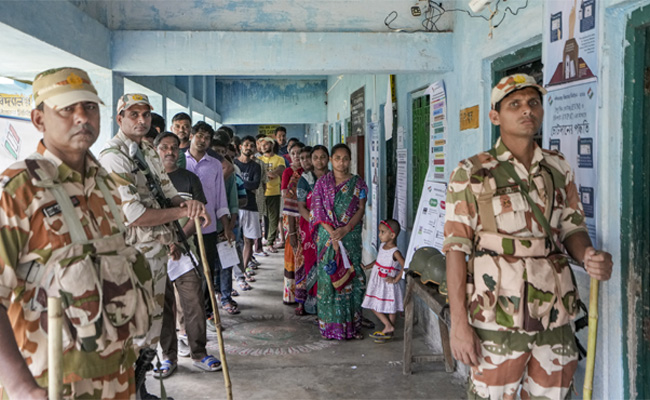
Kolkata (PTI): Over 55 per cent turnout was recorded till 1 pm in repoll in 15 booths of two assembly constituencies in West Bengal's South 24 Parganas district on Saturday, an official said.
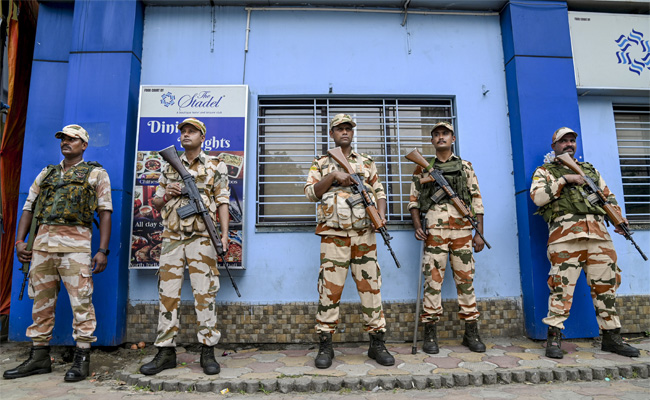
Voting was underway more or less peacefully at 11 polling stations of Magrahat Paschim assembly constituency and four in Diamond Harbour, where the EC ordered repoll a day ago, following reports of electoral malpractices.
However, at booth number 179 at Chanda Primary School of Diamond Harbour seat, the Trinamool Congress alleged that a specially abled voter and his mother were harassed by central forces. The alleged incident sparked protests by party workers and locals.
The TMC claimed that the voter's mother, who had entered the booth to assist him, and her son were detained for a considerable time by central forces over alleged rule violations.
ALSO READ: Man arrested for duping Delhi resident of Rs 2 lakh in online car sale fraud
"TMC leaders Manmohini Biswas and Pratik Ur Rahman reached the spot and led the protests, with residents terming the action unwarranted harassment. The matter has been taken care of by our officials there," an official of the poll body said.
Polling was otherwise peaceful across 15 booths in the area, he added.
Voting began at 7 am and will continue till 6 pm, the official said, adding that till 1 pm, the turnout was 55.57 per cent.
Magrahat Paschim registered 56.33 per cent voter turnout, while in Diamond Harbour, it was 54.9 per cent, a poll official stated.
Voting in these two assembly constituencies was held in the second phase of the state elections on April 29.
The repoll order was based on reports received from returning officers and observers of the two constituencies and "material circumstances", the Election Commission official said.
In Magrahat Paschim, TMC's Md Samim Ahamed Molla is pitted against BJP nominee Goursundar Ghosh, while Abdul Majid Halder of the Congress and ISF candidate Abdul Aziz Al Hassan are also in the fray.
TMC candidate Panna Lal Halder is contesting against Dipak Kumar Halder of the BJP in the Diamond Harbour seat. Goutam Bhattacharya of the Congress and CPI(M)'s Samar Naiya are among other candidates.
The BJP had alleged rampant electoral malpractices in certain polling stations of both the assembly seats under the Diamond Harbour Lok Sabha constituency, which is represented by TMC national general secretary Abhishek Banerjee.
The EC had deputed its special observer, Subrata Gupta, to fact-check the allegations from the ground.
The poll panel will decide on repolling in the Falta assembly constituency on Saturday.
The West Bengal assembly elections were held in two phases -- April 23 and April 29 -- amid unprecedented security arrangements.
Counting of votes will take place on May 4.