'Facebook is spreading hate speech against Rohingya Muslims': UN
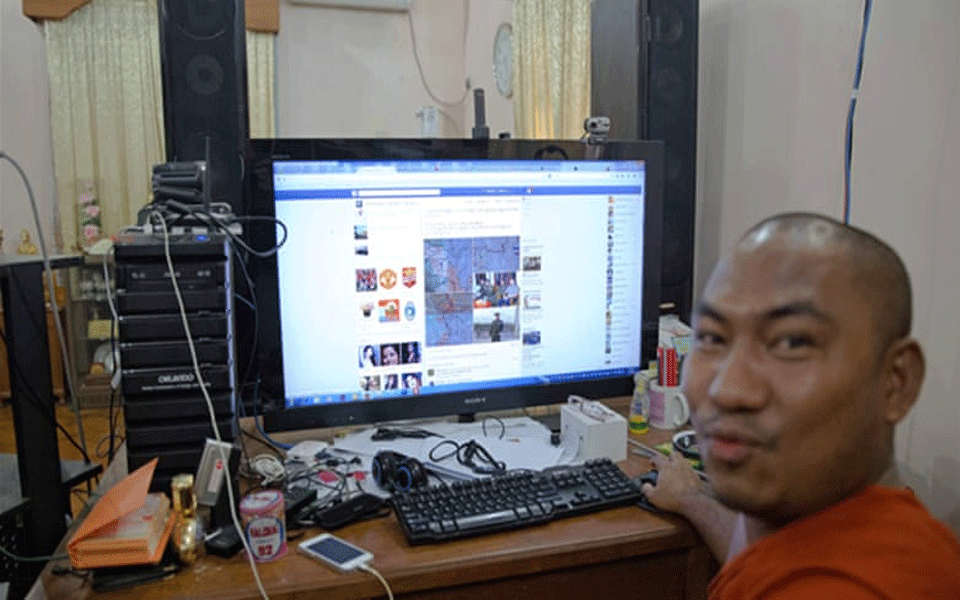
Geneva: The UN human rights experts have blamed Facebook for playing a key role in spreading hate speech against the Rohingya Muslims in Myanmar.
Speaking at the UN's Human Rights Council in Geneva, UN Myanmar investigator Yanghee Lee said that "everything is done through Facebook in Myanmar," adding it has been used to spread hate speech. "Iam afraid that Facebook has now turned into a beast, and not what it originally intended," she said.
Facebook did not immediately comment on the fresh charges.
Lee said she had seen evidence that Myanmar's military was continuing to target the Rohingya, razing their villages.
Marzuki Darusman, Chairman of the UN Independent International Fact-Finding Mission on Myanmar, said on Monday that the social media platform had played a "determining role" in Myanmar.
"As far as the Myanmar situation is concerned, social media is Facebook, and Facebook is social media," ABC Online quoted Darusman as saying.
More than 650,000 Rohingya Muslims have fled Myanmar's Rakhine state into Bangladesh since insurgent attacks sparked a security crackdown last August.
Last week, Sri Lanka barred social messaging networks, including Facebook, following violence against minority Muslims in Kandy district.
The government ordered internet and mobile service providers to temporarily block Facebook, WhatsApp and Instagram, as well as messaging service Viber, after officials said these platforms were fueling online hate speech.
Let the Truth be known. If you read VB and like VB, please be a VB Supporter and Help us deliver the Truth to one and all.
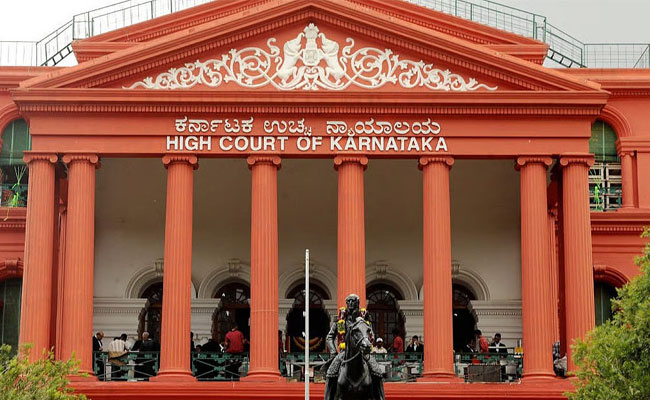
Bengaluru: Karnataka mulls ban social media for children below 16, says Priyank Kharge

Bengaluru: The Karnataka government is considering a ban on the use of social media for children below the age of 16, taking inspiration from steps taken by countries such as Australia and Finland, The New Indian Express reported.
Minister for Rural Development and Panchayat Raj and IT-BT, Priyank Kharge, informed the Assembly on Friday that the issue is under discussion. Responding to senior BJP leader and MLA S Suresh Kumar, who expressed concern over the abuse of social media, Kharge admitted that it is a serious issue.
Finland has taken action, the UK is considering similar steps, and Australia imposed a ban two months ago. “We too in the state have launched a digital detoxification programme for responsible use of AI and social media. The IT-BT department, in collaboration with Meta, has been running it by involving over three lakh children and one lakh teachers,” TNIE quoted him as saying.
Kharge said that in March 2025, the government launched the ‘Beyond Screens’ programme to help people dealing with digital addiction. The initiative was announced during the GAFX 2025 summit, along with the opening of a ‘Beyond Screens’ digital detox centre and the launch of an official website.
The detox centre serves as a dedicated hub for resources, counselling and intervention programmes for healthier digital habits.
During the Assembly session, Suresh Kumar also referred to the Economic Survey 2025-26, which was presented in the Lok Sabha on Thursday. The survey recommended that governments consider age-based restrictions on social media use for children.